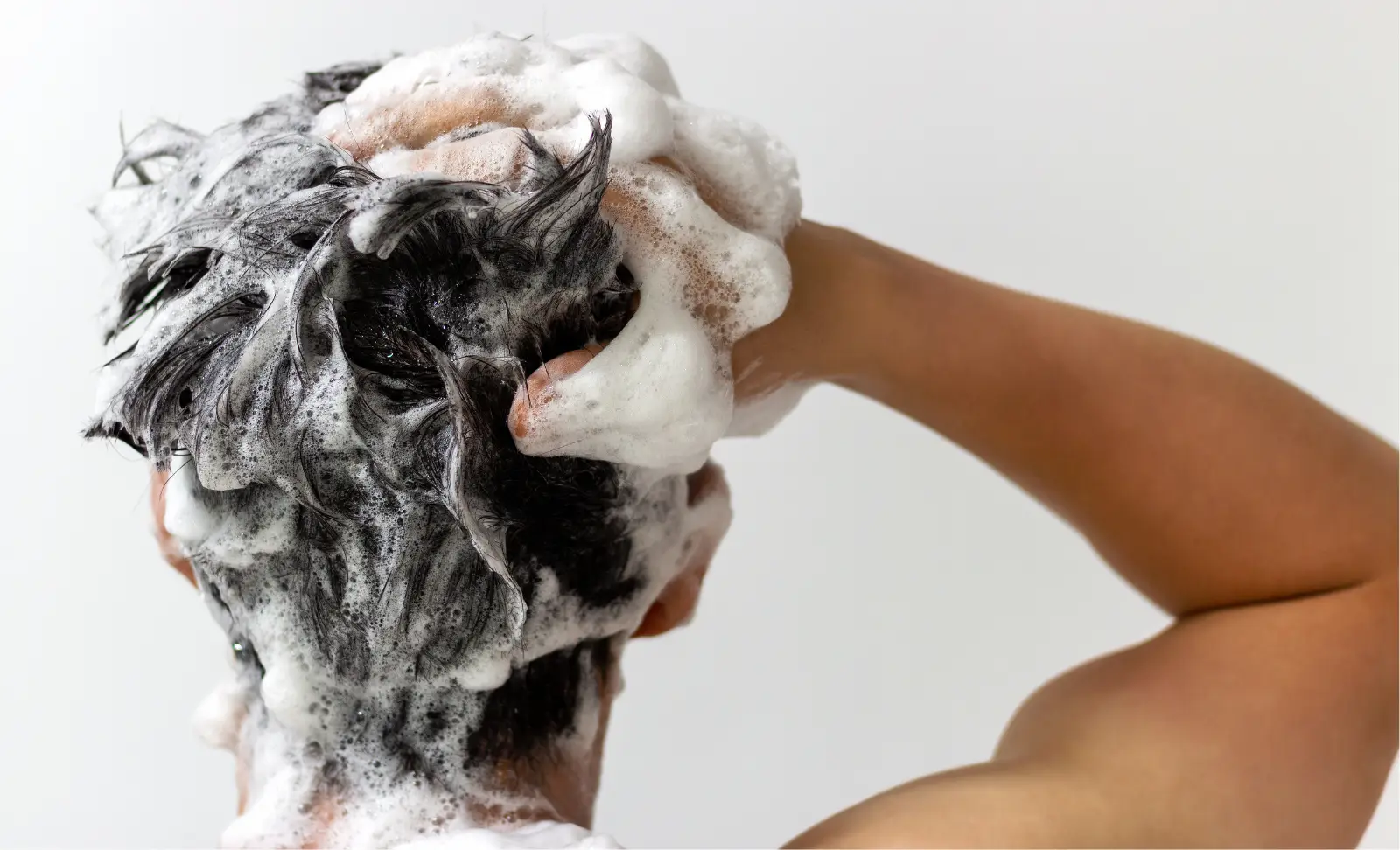

There are many hair loss products available designed to help you maintain your locks, and that includes shampoos. These are highly desirable, as a shampoo for hair loss is easy to use and a natural part of a regular hair care routine. The question is, which shampoo is actually best for hair loss? To avoid wasting your time, money, and hair health on a shampoo that doesn’t do anything and instead discover a shampoo that genuinely helps you grow your hair, use this guide.
Hair Loss Shampoo
As hair loss is such a common problem, particularly for men experiencing androgenetic alopecia (male pattern baldness), it makes sense that there are a lot of shampoos for hair loss on the market.
The best shampoos for hair loss contain specific ingredients designed to stimulate new growth. Many of these ingredients are known to inhibit the production of the hormone DHT, which is responsible for male pattern baldness – including ketoconazole and saw palmetto. Other ingredients, like caffeine and rosemary oil, are used in the best shampoos for hair loss because they stimulate the hair follicles and, in turn, growth.
Of course, the best shampoo ingredients for hair loss depend on a person’s specific hair loss factors. So, a man experiencing androgenetic alopecia may look specifically for DHT-blocking ingredients like pumpkin seed oil and saw palmetto.
Male vs Female Hair Loss Shampoo: A Reason to Differentiate?
Before diving into the best hair loss shampoos for men, it’s worth differentiating between hair loss shampoo for men vs women.
The truth is that male and female hair loss shampoos can look quite different, each using its own specific formula to help users achieve new growth. In men, the most common cause of hair loss is androgenetic alopecia caused by testosterone being turned into DHT, which means hair loss shampoo for men often includes DHT-blocking ingredients.
On the other hand, women’s hair loss shampoos typically focus on botanical extracts to stimulate follicles, such as rosemary oil, as well as nourishing ingredients to boost hydration.
What Ingredients Should You Look for in a Hair Loss Shampoo for Men?
When looking for a genuinely effective shampoo for hair loss in males, there are certain ingredients to look for on the back of the bottle.
- Ketoconazole: Ketoconazole is an antifungal ingredient that can significantly reduce any scalp inflammation causing hair loss. Plus, it’s a DHT blocker, so it can slow hair loss from androgenetic alopecia.
- Caffeine: Caffeine is a very common ingredient in shampoo for hair loss in males because it stimulates blood flow to the hair follicles and encourages growth.
- Saw Palmetto: Saw palmetto is a natural ingredient that reduces DHT levels on the scalp.
- Pumpkin Seed Oil: Pumpkin seed oil is another natural ingredient that can reduce DHT levels.
- Niacinamide: Niacinamide, also known as vitamin B3, is a great ingredient in shampoo as it improves circulation to the scalp (helping hair growth).
- Biotin: Another common ingredient in shampoos for hair loss in males is biotin (vitamin B7). Rather than stimulating new growth, biotin strengthens the hair that’s already there, improving overall texture. It works best alongside a growth-boosting ingredient.
When looking at ingredients in a hair loss shampoo for men, be aware that more ingredients do not always mean a better outcome. It’s generally best to opt for minimal ingredients and ensure compatibility, as that way, you are more likely to avoid damaging the scalp and hair.
The Best Hair Loss Shampoos for Men
There are a variety of excellent hair loss shampoos for men on the market, each serving its own purpose.
Best Antifungal Shampoo for Men: Nizoral Shampoo
Nizoral is a medically active shampoo that contains powerful antifungal ingredients, including ketoconazole, to treat scalp inflammation and flaking. It’s particularly effective for treating dandruff. Plus, the active ingredient of ketoconazole also has a mild DHT-blocking effect, which is useful for men experiencing androgenetic alopecia.
Any man with hereditary hair loss, an irritated scalp, or dandruff would likely benefit from using Nizoral shampoo twice per week.
Best Sensitive Shampoo for Men: Rausch Heartseed Sensitive Shampoo
Often, it’s the sensitive shampoos that are the best for the scalp, especially after experiencing irritation. Rausch Heartseed Sensitive shampoo contains the ingredient heartseed extract, which helps soothe the scalp. It’s also completely hypoallergenic, so you don’t have to worry about irritation when using this shampoo.
Best Post-Hair Transplant Shampoo for Men: Baby Shampoo
If a man has undergone a hair transplant to treat male hair loss, the best shampoo to use after the procedure is Baby Shampoo. This shampoo is affordable and widely available, and works because the ingredients are highly tolerated by a wide range of people, no matter scalp or hair type.
What Ingredients Should You Avoid in Shampoo?
When looking for the best shampoo for hair loss for men, there are certain ingredients that you should take as warning signs that the shampoo won’t actually be beneficial to your hair growth journey. These ingredients should have you placing the bottle back down on the shelf.
- Sulphates: Sulphates are often used in shampoos because they clean the hair, but they also strip natural oils, leaving the scalp and strands dryer and more irritated.
- Alcohols: Drying alcohols, such as isopropyl alcohol, will only dehydrate the scalp and the hair, leading to damaged, brittle locks.
- DMDM Hydantoin: This is an ingredient used in shampoos for its antimicrobial purposes. However, it can cause scalp irritation in some people. It may cause a dry, sensitive scalp.
- Synthetic Fragrances: While fragrances can make the shampooing experience more enjoyable, synthetic fragrances may cause irritation of the scalp. They are drying and damaging. Instead, opt for natural ingredients that smell great.
- Sodium Chloride: Sodium chloride is often used as a thickening ingredient in shampoo, but it can strip the scalp of its natural oils, causing irritation and dryness.
What are the Worst Shampoos for Hair Loss?
As well as learning the best shampoos for hair loss, it’s worth knowing the worst, so you’ll know what to avoid.
- OGX: OGX, as a brand, faced several lawsuits because of the products potentially causing hair loss in users. This hair loss was linked to the ingredient DMDM hydantoin, which works as an antimicrobial preservative but can cause scalp irritation.
- Tresemmé: Tresemmé is a popular hair care brand, but its shampoos often contain DMDM hydantoin, much like the OGX shampoos. As such, it can cause scalp irritation, which can prevent healthy hair growth.
- Pantene: Pantene uses silicones as an ingredient to give the feel and appearance of thicker hair. However, silicones can also block the hair follicles, preventing growth. Plus, those same silicones that coat the hair may cause breakage over time.
Of course, always read the label before deciding whether a shampoo is truly good or bad. If you have a very specific cause of hair loss, such as alopecia areata, it’s best to look beyond shampoos altogether – instead, speak to a hair specialist about your options.
What Ingredients Should You Avoid When Using Shampoo to Reduce Hair Loss?
The best shampoo ingredients for hair loss in men include ketoconazole, caffeine, saw palmetto, and niacinamide. So, what about the worst male hair shampoo ingredients? If you spot these ingredients on the label, it’s best to look elsewhere.
- Parabens: Parabens are commonly used in shampoos as preservatives; however, they are not good for hair growth at all. Parabens like Propylparaben and Methyldiphenylparaben may disrupt male hormone balance and cause scalp irritation. These are both detrimental to any hair growth journey.
- Silicones: Silicones are used in shampoos because of their smoothing effects, but they can quickly build up on the scalp, clogging the follicles and preventing new growth.
- Propylene Glycol: This ingredient is used to improve the consistency of the shampoo, but it also irritates the scalp.
By avoiding these ingredients – as well as the others listed above under the general ingredients you should avoid in shampoo – you are more likely to have a successful hair restoration journey.
Will a Male Hair Loss Shampoo Prevent Balding?
No. While shampoo for hair loss can definitely slow down male hair loss, it cannot prevent balding altogether.
There are some studies showing how certain shampoos can be effective at treating androgenetic alopecia in men. For example, a study of 15 patients using ketoconazole shampoo led to the patients showing significant hair growth and boosted scalp health. However, the greatest hair growth was observed in patients using the shampoo alongside other hair-boosting medications, such as finasteride.
It’s best for men to use a hair loss shampoo alongside more targeted hair restoration solutions. Or, if in the very early stages of hair loss, use it as a general preventative measure. It’s not a cure or a perfect solution, but it can help.
In cases of more severe hair loss, a more targeted measure is necessary. Hair loss medications like minoxidil and finasteride are backed by several studies, showing that they can significantly reduce hair loss in men with androgenetic alopecia. A hair transplant is another popular solution for more extensive hair loss, as it restores hair to balding/thinning sections.
The Common Reasons for Male Hair Loss
When choosing the best shampoo for hair loss, it’s worth figuring out what is actually causing it in the first place. Only then will you know the best treatment. So, here are the most common causes of hair loss in men.
Androgenetic Alopecia: The most common cause of hair loss in men. Androgenetic alopecia, also known as male pattern baldness, is a genetic cause of hair loss that is driven by the hormonal process of testosterone converting into DHT. The DHT then causes the follicles to miniaturise, leading to thinner hair over time. This usually affects the crown and hairline.
Stress: High stress levels in men can cause hair loss due to telogen effluvium. It’s also known as shock hair loss. It’s typically temporary, but chronic stress can mean experiencing ongoing hair loss problems.
Nutritional Deficiencies: Certain nutritional deficiencies can lead to hair shedding. In particular, deficiencies in iron, vitamin D, Zinc, and protein.
Medical Conditions: Some medical conditions can lead to hair loss, including scalp conditions (such as psoriasis), autoimmune diseases (such as alopecia areata or lupus), thyroid disorders, and chronic diseases (such as diabetes). Speak to a GP if you think a medical condition is causing your hair to fall out.
Are you struggling with hair loss? If so, seeking advice from a hair specialist is the best step toward regrowing your locks. For more information, please contact HS Hair, and our GMC surgeons can assist further.
Related Posts

Best Shampoo After a Hair Transplant: What to Use and When
How you care for your hair and scalp after a hair transplant plays a significant…
Best Shampoos for Women’s Hair Loss: A Clinically-Informed Guide
Choosing the right hair care products can mean the difference between healthy, voluminous hair and…