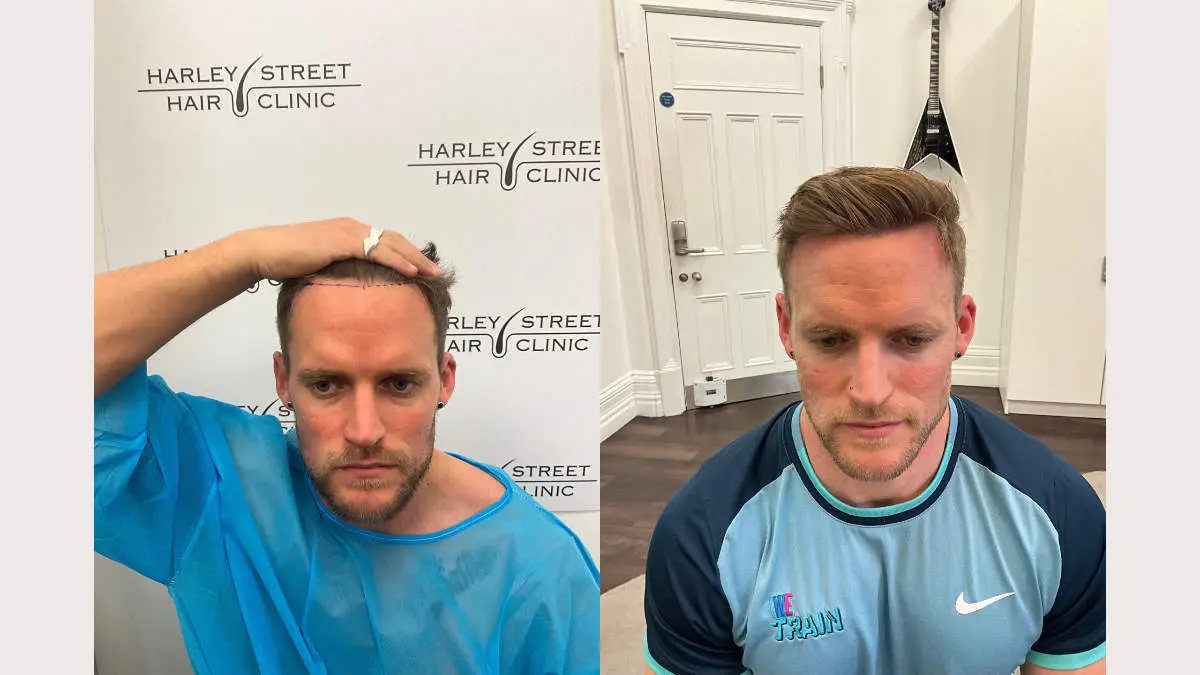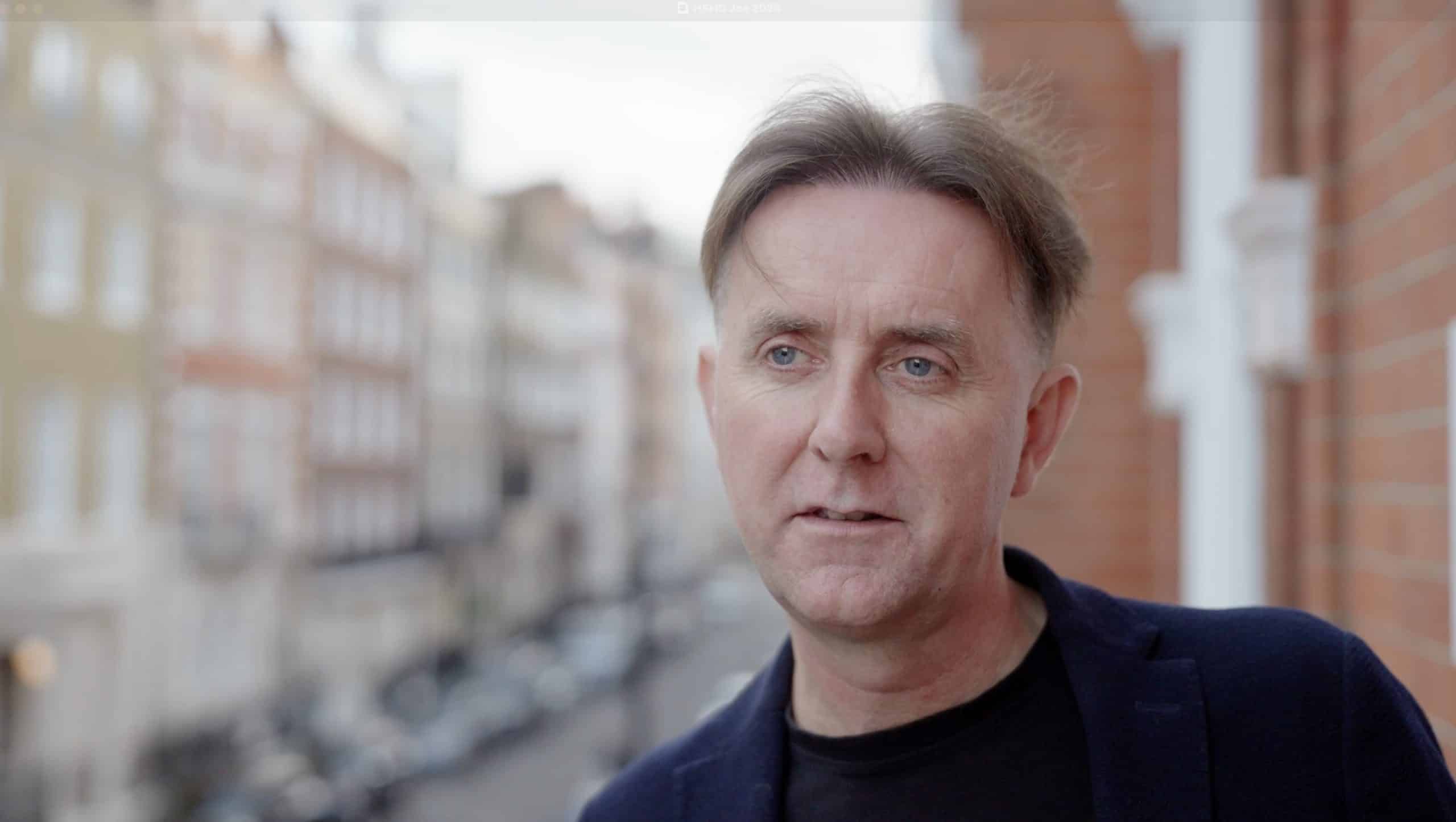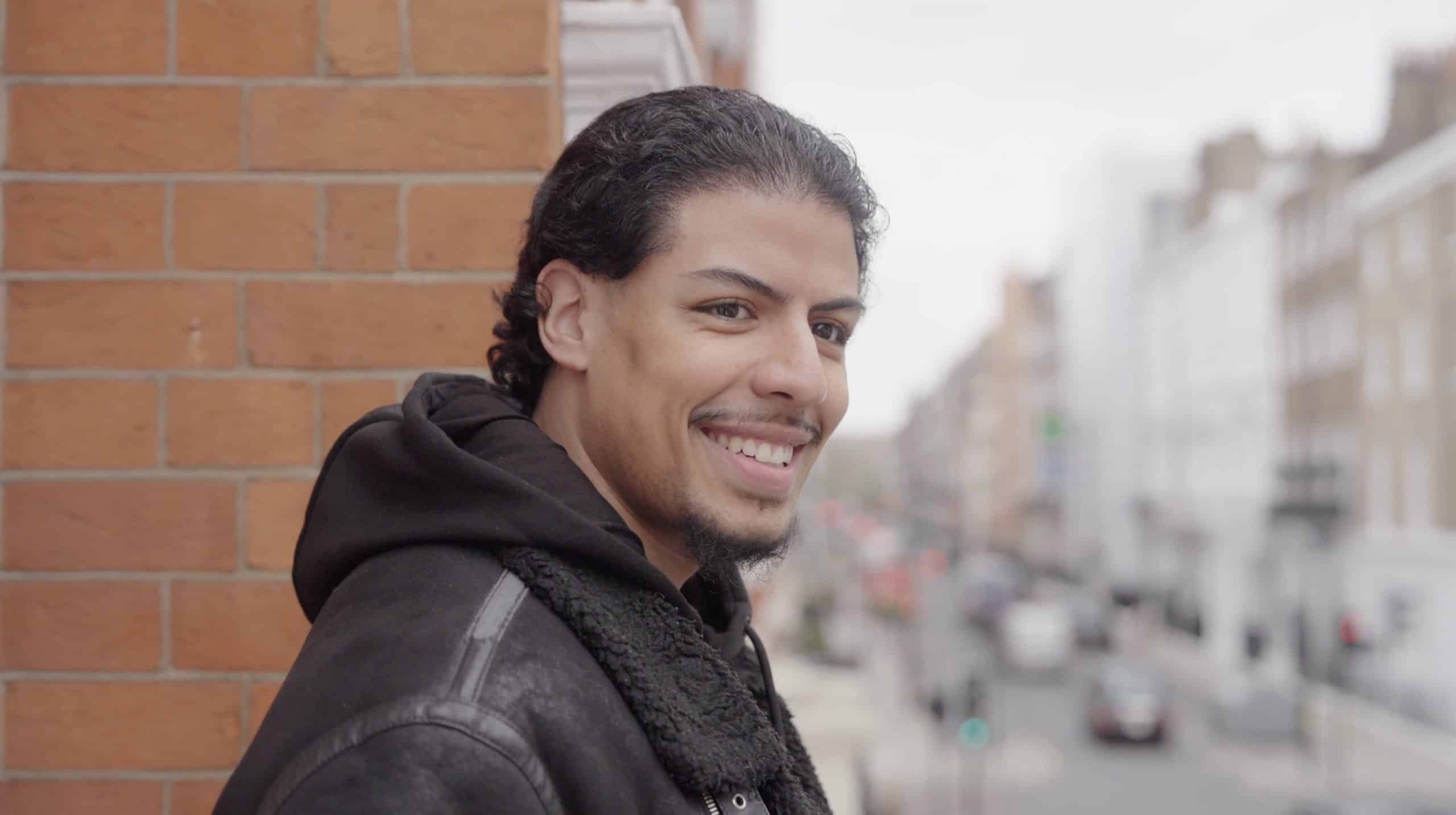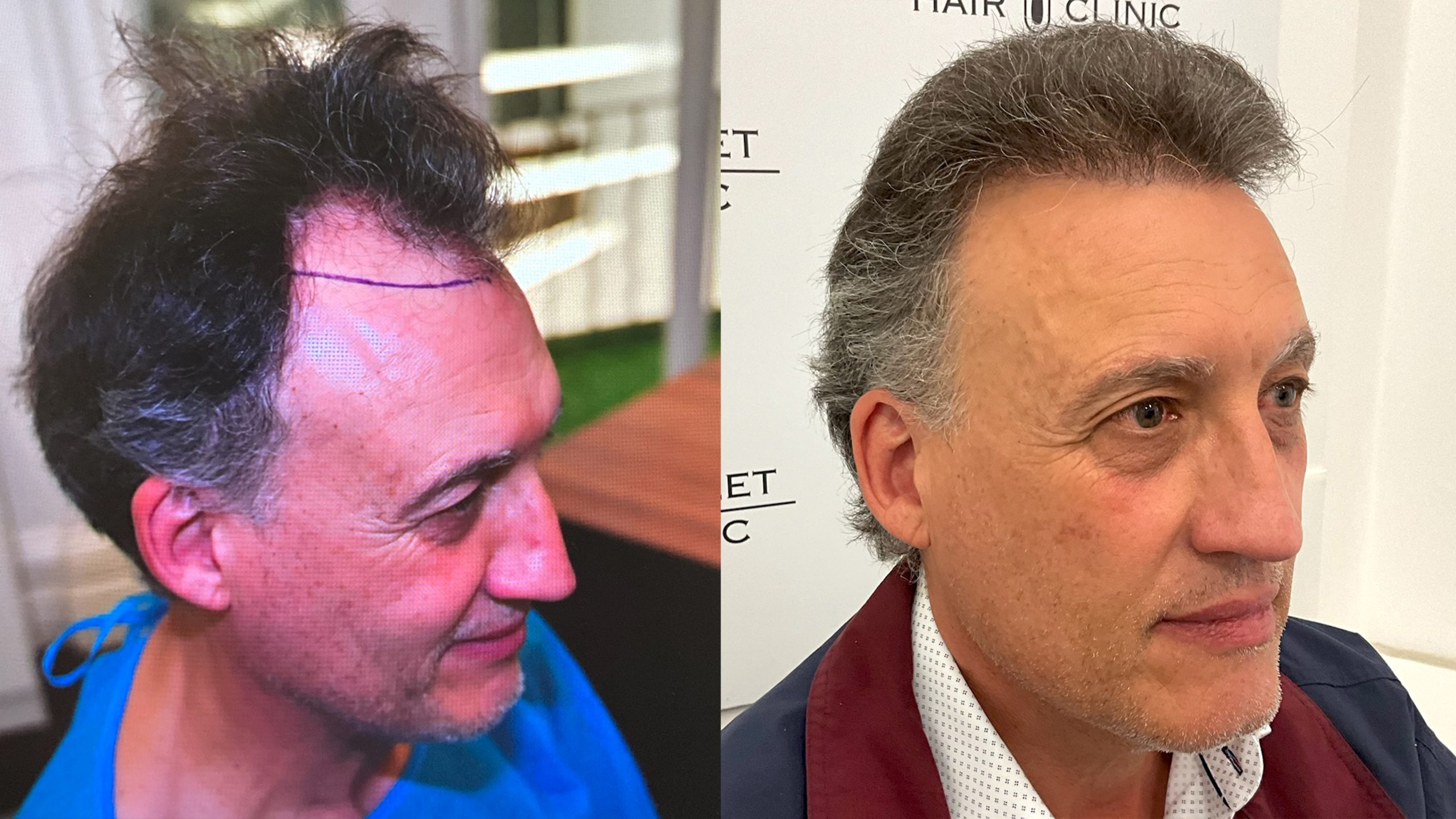

Over the years, the team at Harley Street Hair Clinic has perfected the FUE hair transplant method. With award-winning surgeons, state-of-the-art facilities, and fine-tuned methods, we have given thousands of clients the chance to regrow a full head of hair. As we specialise in FUE, this means doing so meticulously, with the new hairs appearing natural with no scarring.
What is a FUE Hair Transplant?
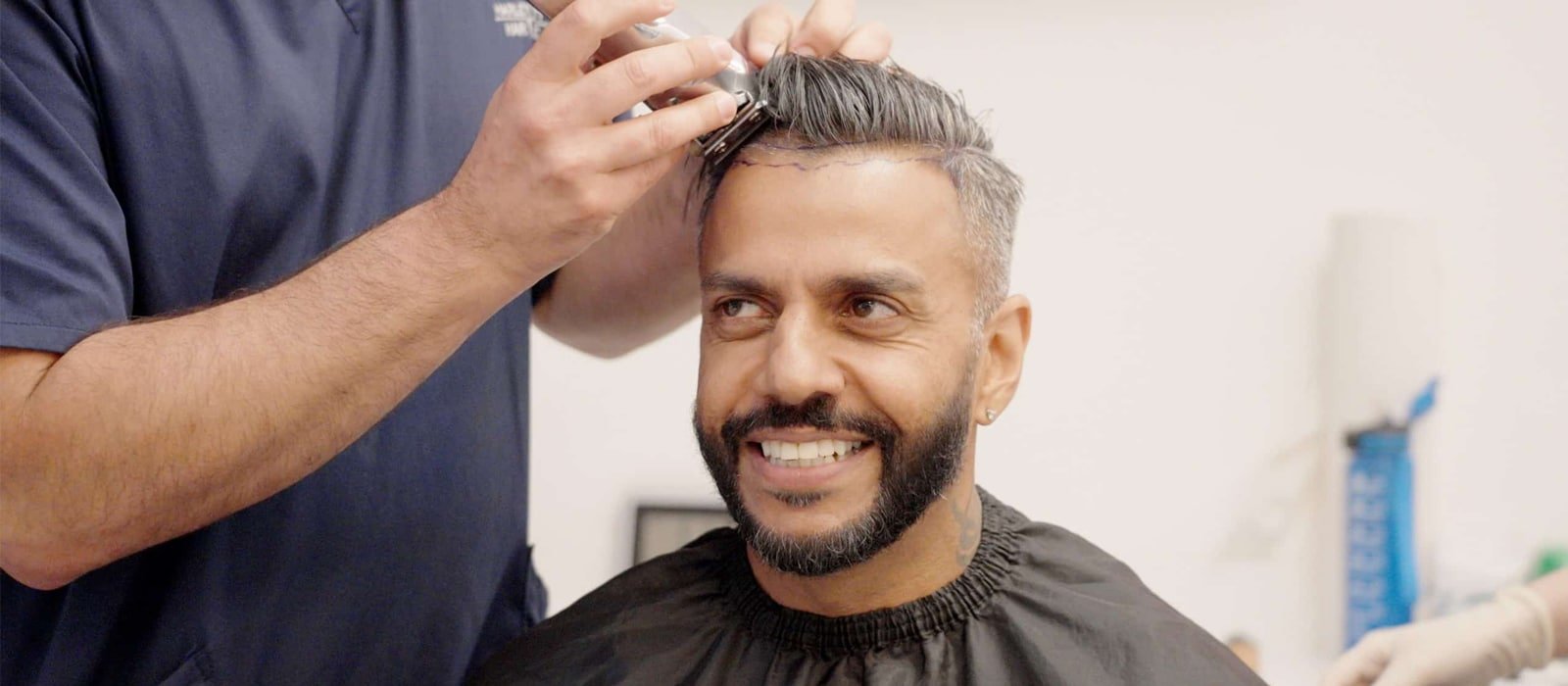
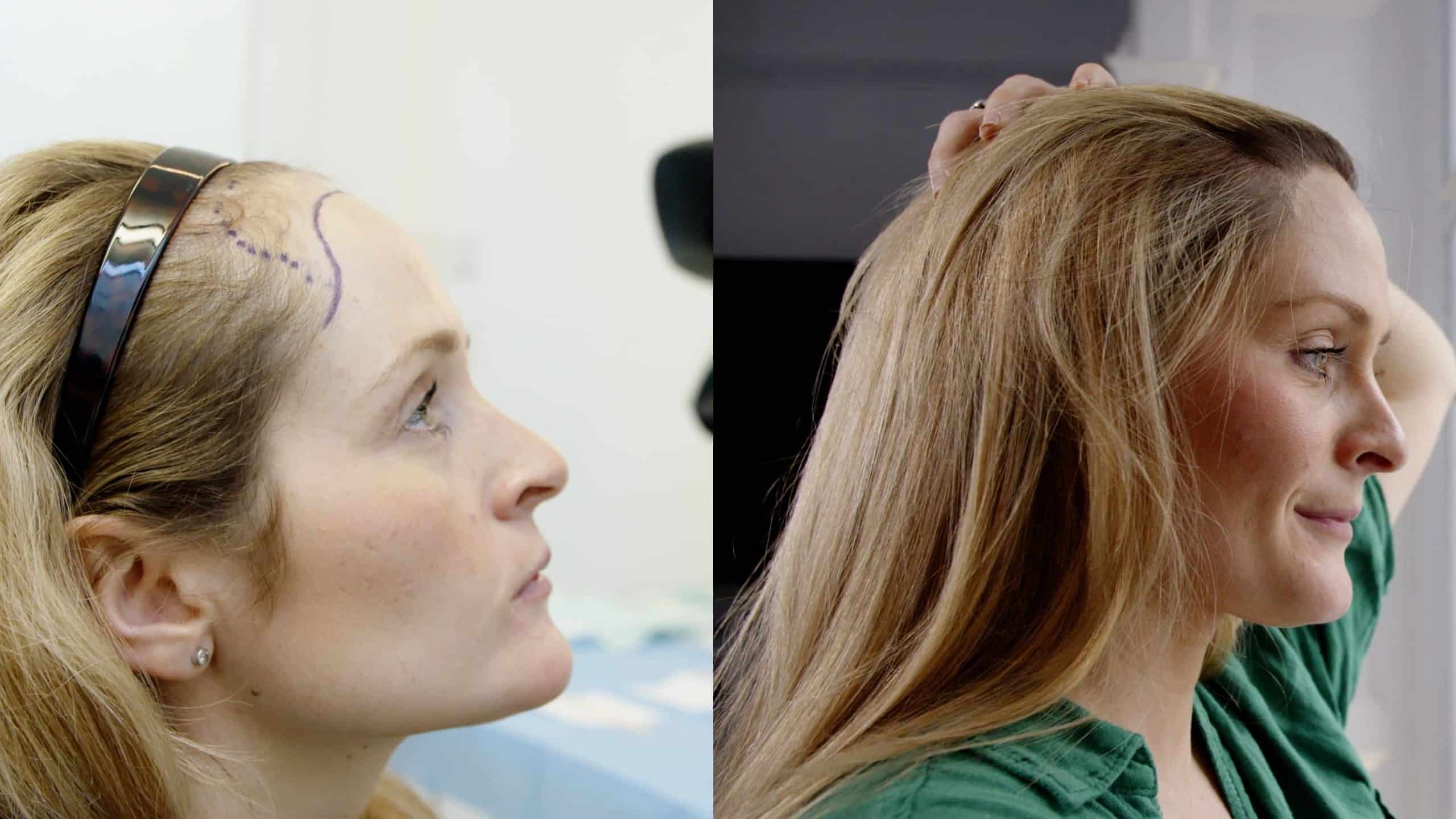
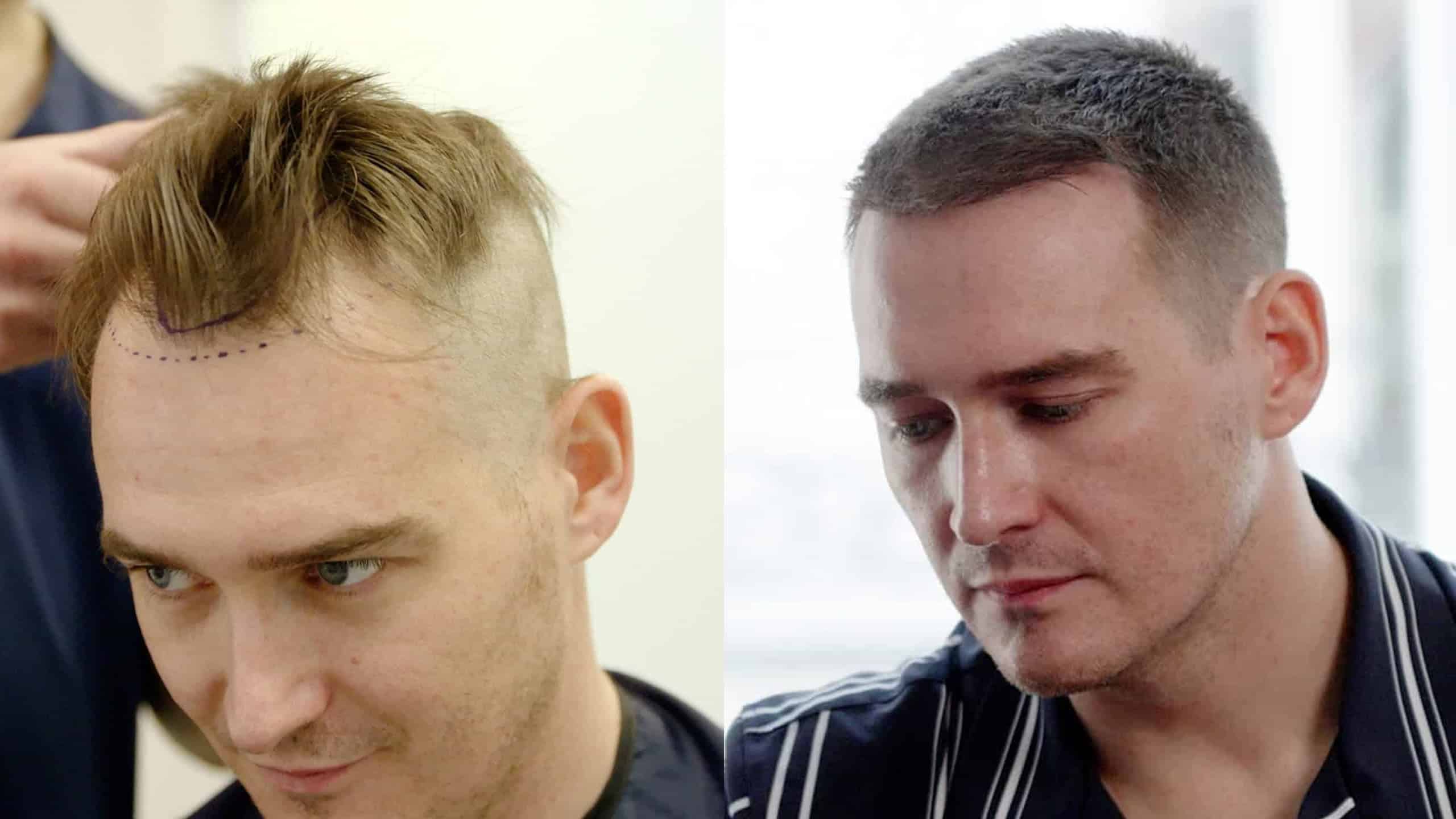
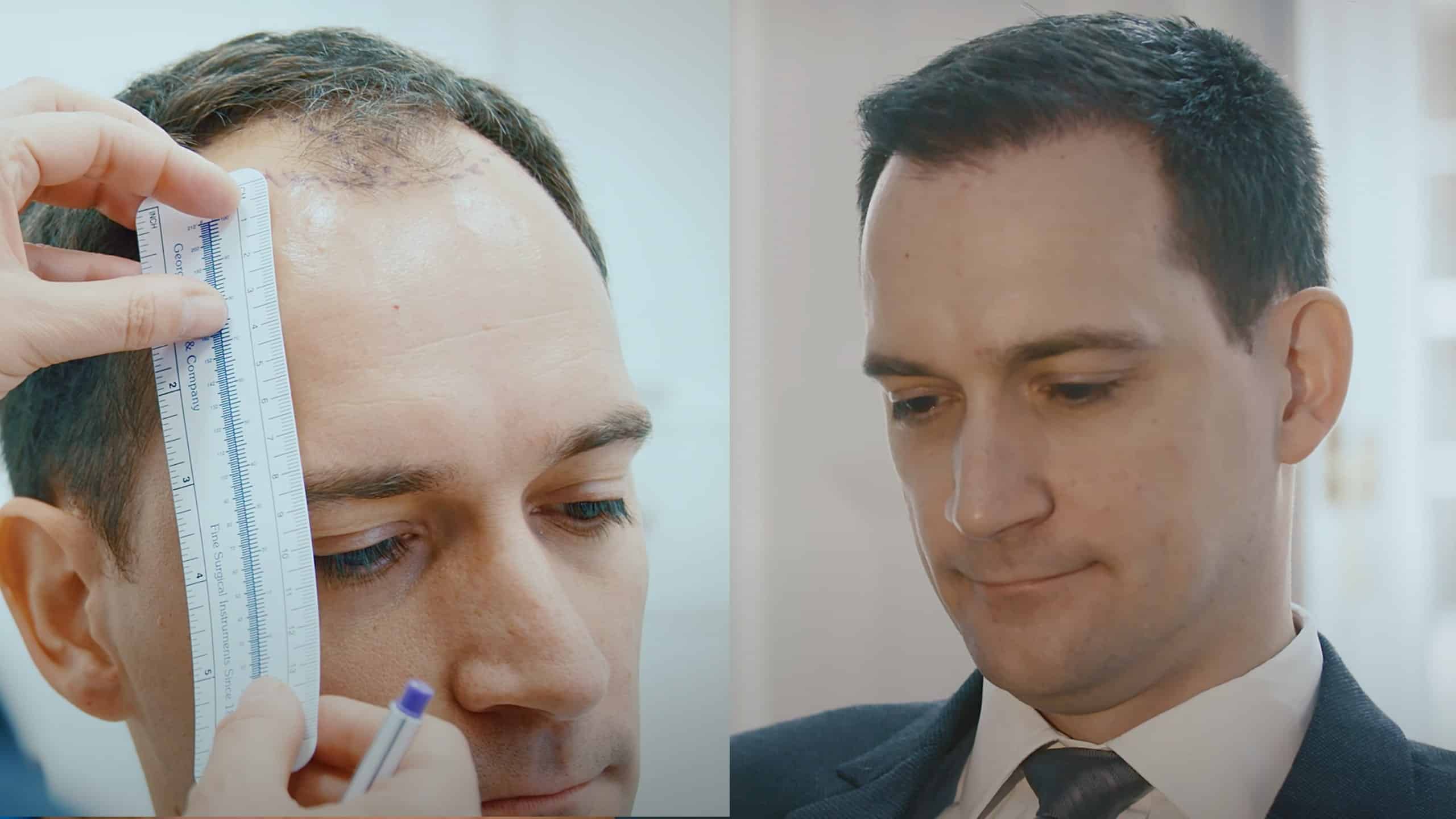
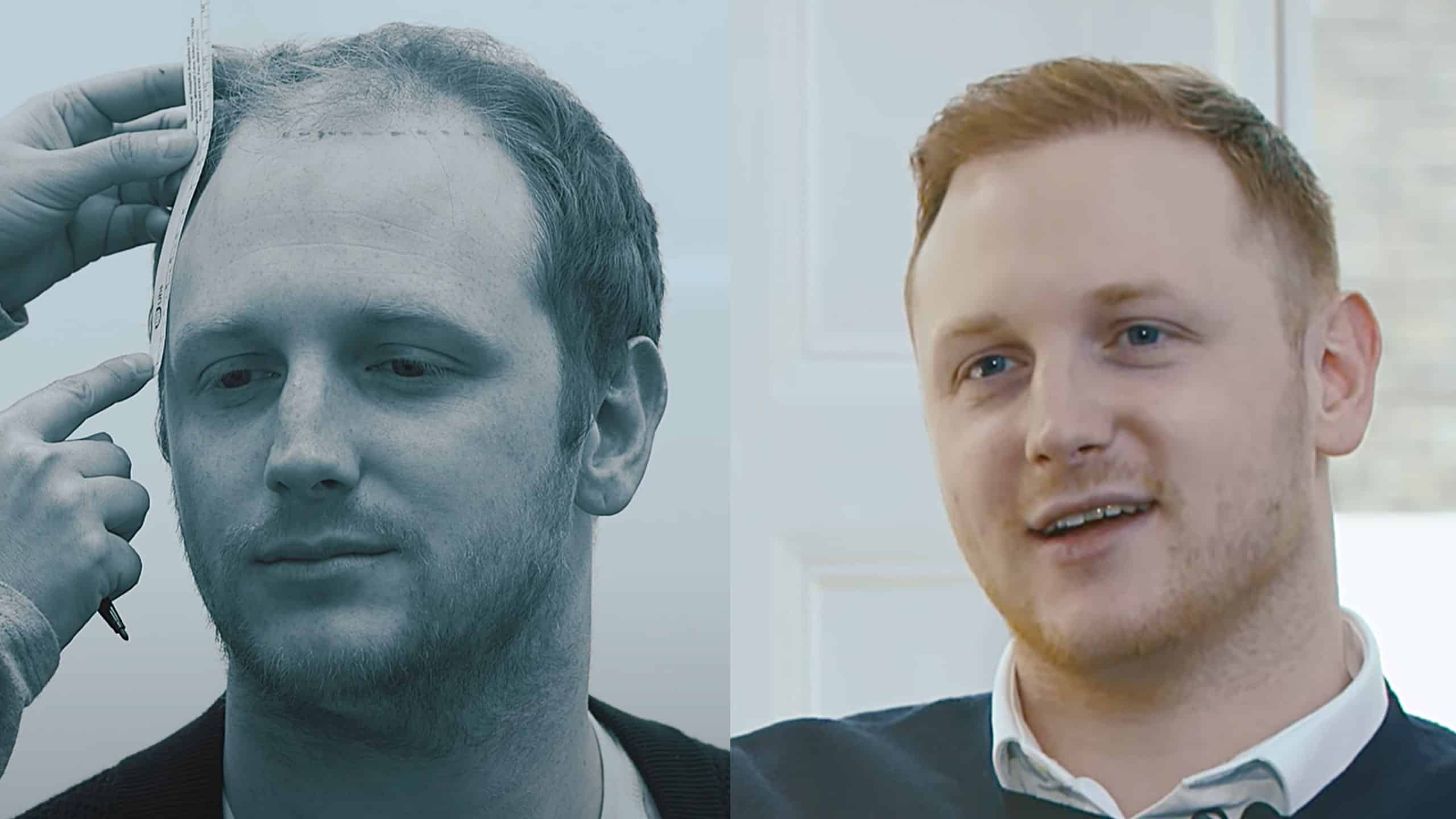
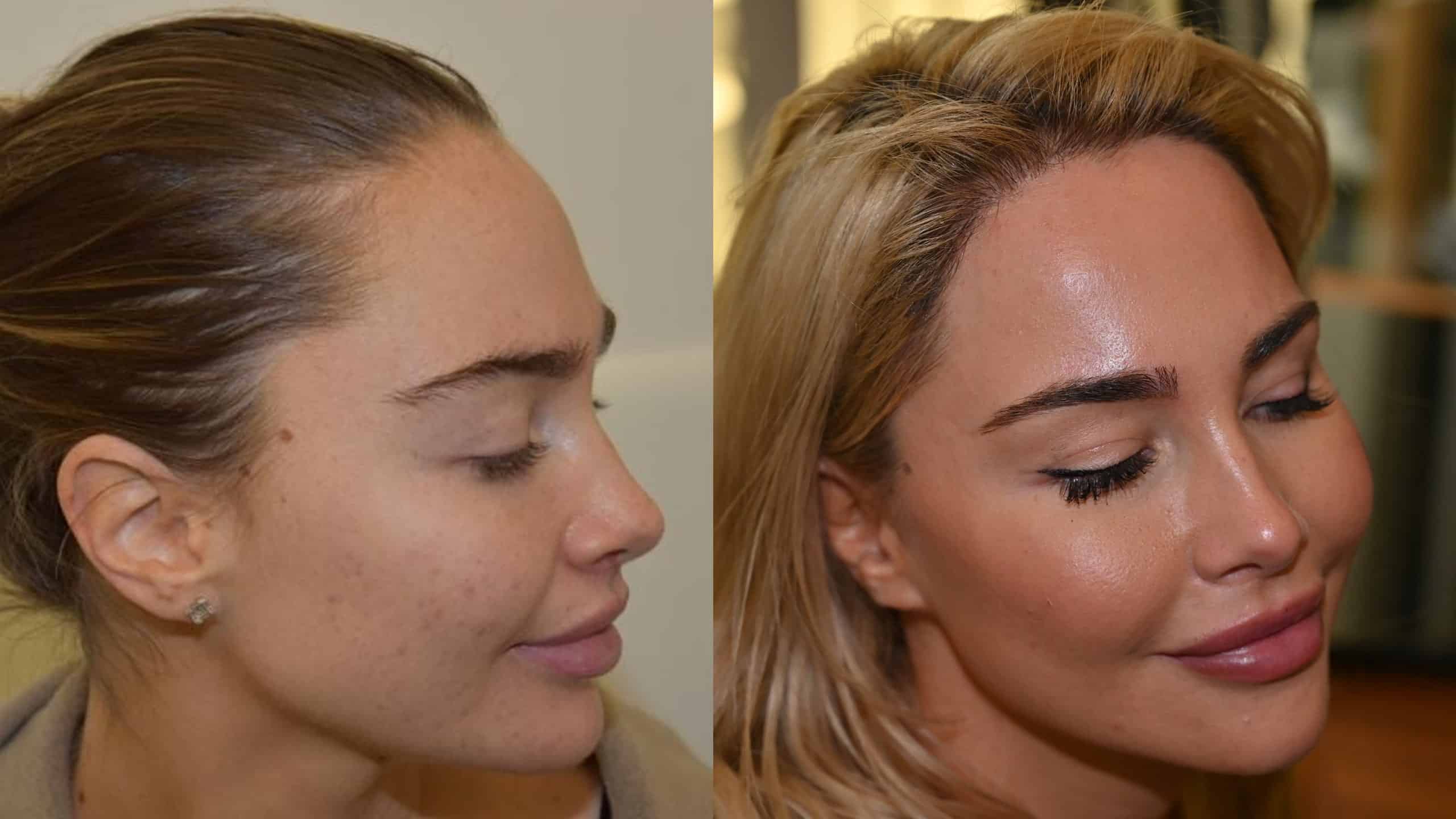
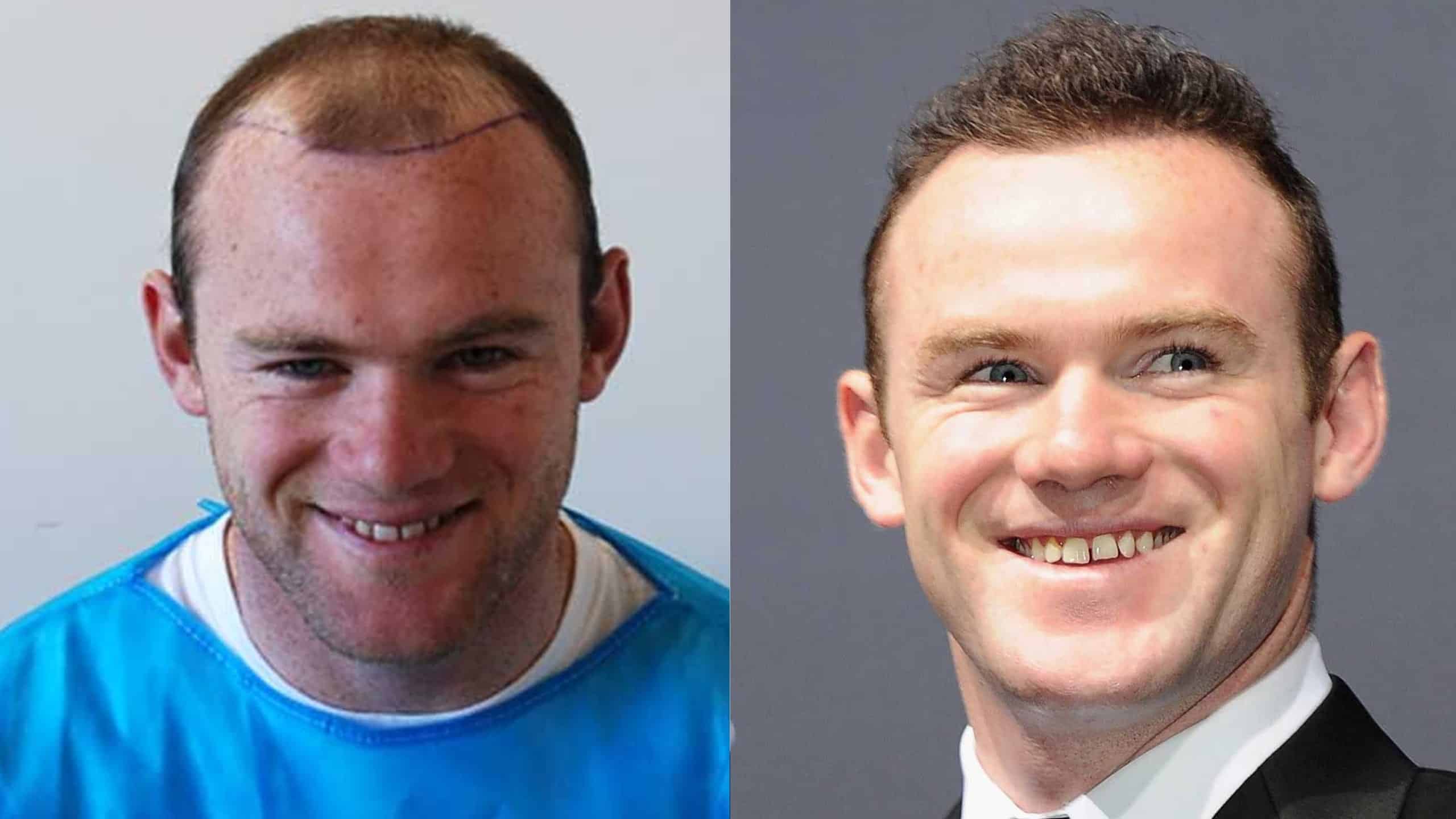
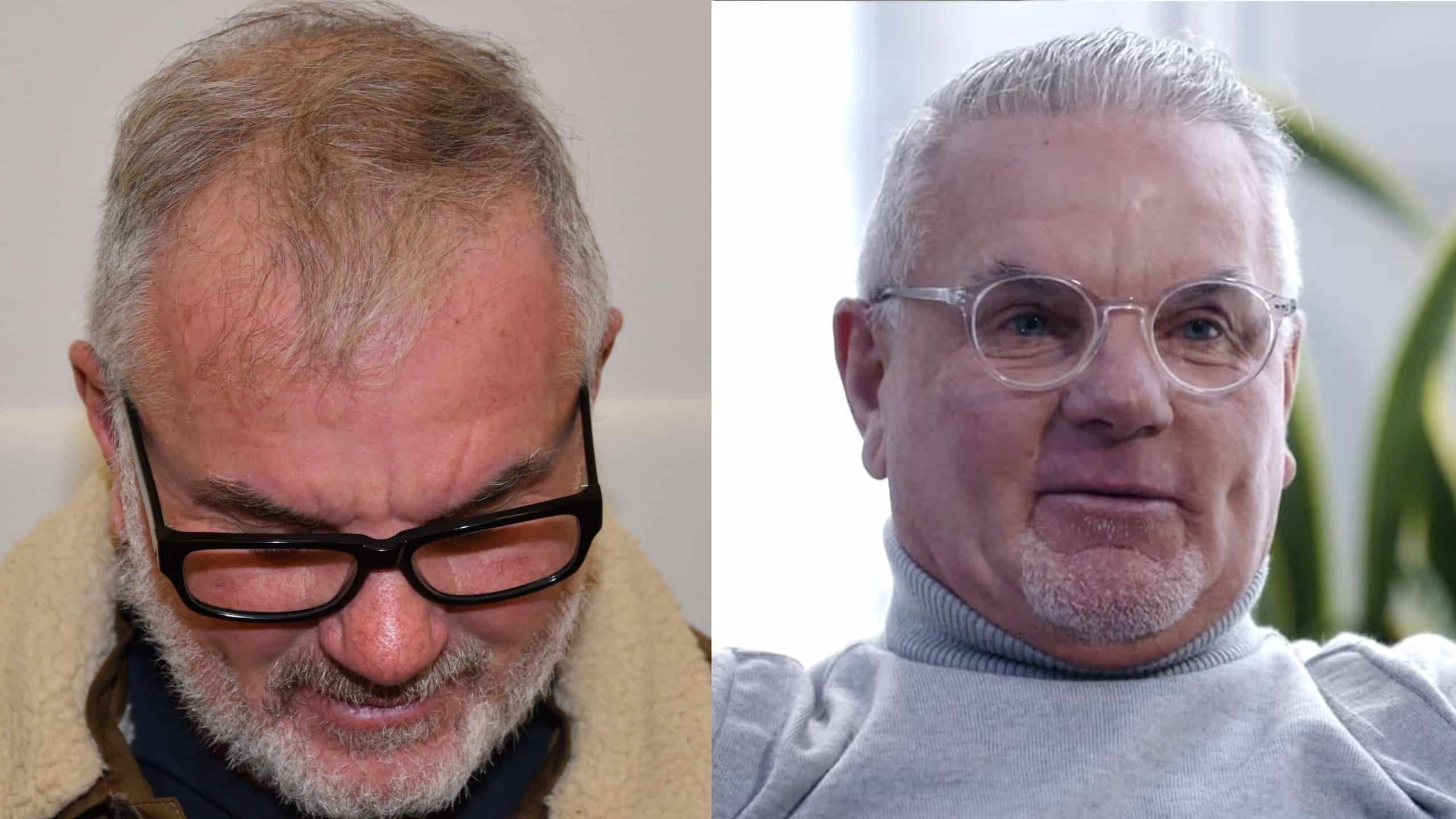
FUE stands for follicular unit extraction. It is a specific method of hair transplantation that provides more natural results than other methods, such as FUT. The process involves a surgeon harvesting individual hair follicles from a patient’s donor area (usually the back or sides of the head), preparing them for implantation, and then implanting them into the recipient area.
The process is meticulous and requires the expert hands of a top surgeon for a natural result. The surgeon follows the natural growth pattern of the patient, leading to a beautiful, natural look. As only individual follicles are harvested, there is minimal scarring. Plus, there is minimal downtime with FUE, with patients able to return to their normal activities within a couple of weeks.
Who Benefits from a FUE Hair Transplant?
Anybody experiencing hair loss that is impacting their self-esteem would likely benefit from a FUE hair transplant. In particular, people experiencing a thinning crown or a receding hairline would benefit, as the method can help restore hair growth in those areas, leading to a fuller head of hair once more. This method is also best for individuals who are happy wearing a short hairdo, either for the short-term or as their long-term style, as FUE requires the donor area to be shaved.
What to Expect During a FUE Hair Transplant: What Happens?
On the day of the procedure, the surgeon will begin by shaving the donor area for easier access to the hair follicles. From there, they will administer a local anaesthetic to the area so you won’t feel any pain throughout the process, but you will stay awake.
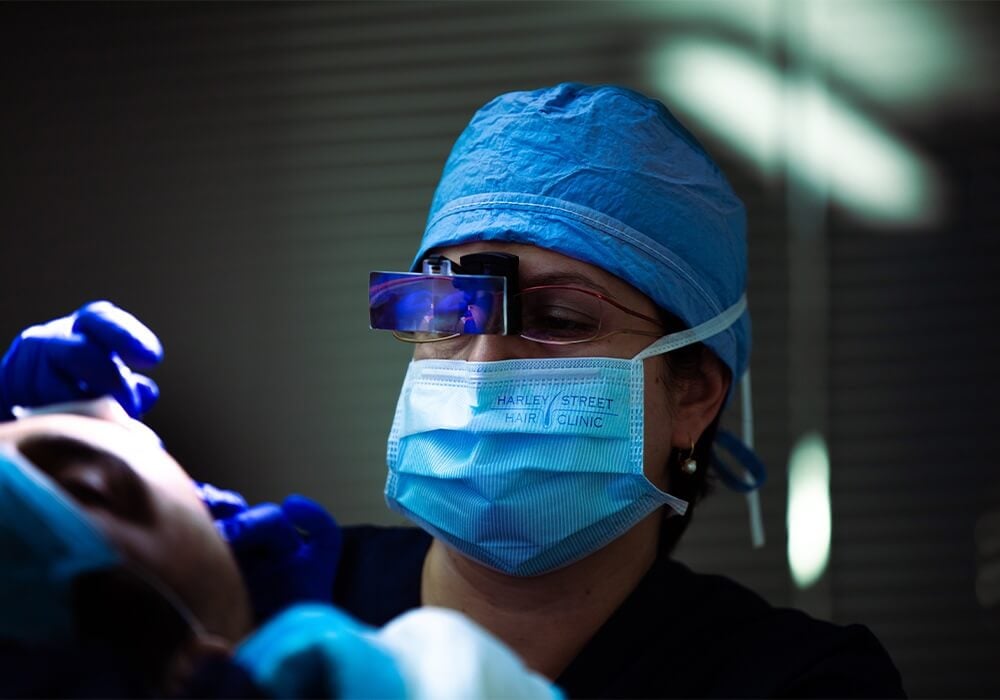
Then, the surgical process begins. It is a minimally invasive type of procedure in which the surgeon meticulously extracts individual hair follicles from the donor area, one at a time. It involves very small, shallow incisions that will not leave visible scars over time. Once the hair follicles (grafts) have been harvested, the surgeon will then prepare them for implantation. Then, small incisions are made into the recipient area where the grafts are then placed, with the surgeon placing them precisely in the direction of the patient’s natural hair growth cycle.
The length of time this whole process takes depends on the number of grafts needed and the complexity of the procedure. For example, some hair types are more difficult to work with and slow down the process. Often, our surgeons can complete the process within six to eight hours in a single day. During the surgery, you will receive breaks to stretch, eat, and take a few minutes for yourself for your comfort.
As you will have been under a local anaesthetic rather than a general anaesthetic, you will be safe to leave at the end of the process and follow aftercare instructions.
Who is and Who isn’t Suitable for a FUE Hair Transplant?
Many people benefit from a FUE hair transplant, but not everyone makes a good candidate. At Harley Street Hair Clinic, our consultations aim to provide as much information as possible so you can make the best decision for yourself and your hair restoration journey.
A good candidate:
- Stabilised hair loss
- Sufficient and healthy donor hair available
- In good health overall
- Has realistic expectations
- Follows a healthy lifestyle
A poor candidate:
- Still experiencing progressive hair loss
- Has an unstable hair loss pattern
- Not having sufficient donor hair
- Has underlying health issues
- Has a blood disorder
- Has scalp conditions like scalp psoriasis
- Has unrealistic expectations
- Has body dysmorphic disorder
If you are unsure whether you are a good candidate for FUE, it’s important to schedule a consultation with our team. We are unbiased in our advice, always ensuring we put our clients on the best possible route for both their hair restoration journey as well as their mental and physical health.
How to Prepare for a FUE Hair Transplant
The process of getting a FUE hair transplant begins before the day of the surgery, as there are certain things you need to do to prepare.
A week before the surgery: For a week before the surgery, you must stop drinking alcohol and smoking cigarettes. You must also avoid taking any blood-thinning medications, including ibuprofen and aspirin. It’s a good idea to start massaging your scalp each day, too, as this will help boost blood flow to the hair follicles and keep your scalp healthy.
The day before the surgery: Wash your hair as you usually would with shampoo the day before the surgery. Make sure you rest, stay hydrated, and try to reduce stress as much as you can. Don’t use any hair products after you wash your hair.
The day of the surgery: Avoid using any hair products on your hair, as well as perfumes. Eat a healthy and light breakfast. Set off with plenty of time to get to the clinic, as this will ensure you arrive on time while reducing stress.
If you are booked in for a FUE hair transplant at Harley Street Hair Clinic, you will receive detailed pre-surgery instructions from our team. This may include instructions specific to your procedure and medical history, so it’s important you read and follow them properly.
Recovering from FUE
One of the best things about FUE is that the recovery process isn’t too extreme, with most people being able to return to work within a week or two. Here’s what to expect at each stage, from recovery to hair growth.
Immediately following surgery: After the surgery, your scalp will feel numb and tight. The area will be very tender, and you may experience some minor discomfort as the local anaesthetic starts to wear off. The area will be red and sore, so it’s important to follow aftercare instructions and avoid touching the area. Most people find this is more than manageable.
After a few days: Scabs will start forming on the scalp. You may also experience some mild swelling and redness.
- Do: Rest as much as possible, keep the head elevated.
- Don’t: Do any exercise, go to work, expose the scalp to the sun, drink alcohol, or smoke.
After 1 – 2 weeks: The scabs will begin to fall from the scalp, and the swelling will reduce.
- Do: Wash the hair gently with a mild shampoo, rest, take time off work, and keep the head elevated while you sleep.
- Don’t: Perform intense exercise, expose the scalp to the sun, smoke, or drink alcohol.
After 1 month: Most people experience shock loss within the first month following a FUE hair transplant, which is when the transplanted hairs suddenly fall out – don’t worry, this is normal! The scalp itself will continue to heal. There will still be some redness, but not as much as in the earlier days and weeks.
- Do: Return to your normal hair washing routine, use a mild shampoo, massage the scalp, avoid irritation, and resume moderate exercises.
- Don’t: Perform any extremely heavy or high-impact training, or spend long periods in direct sunlight.
After 3 months: Following the shock hair loss, the hairs will start to grow back through. They will be soft and fine at first. At month three, you’ll be able to see these fine hairs.
- Do: Maintain healthy habits, gently care for the scalp, and use a mild shampoo.
- Don’t: Expose the scalp to direct sunlight (where you can), use any harsh chemicals on the scalp.
After 6 months: The hair will begin growing through thicker. The growth will not quite yet be full, though, and you may notice some patchiness. This is a normal part of the process.
- Do: Maintain a healthy lifestyle, return to normal activities (including any form of exercise), and use chemical treatments on the hair if you wish to.
- Don’t: Expect full results at this stage or forget about sun protection.
After 12-18 months: The full results of a FUE hair transplant show through after 12 to 18 months. At this stage, the hairs will be thick, stable, and cover the whole recipient area!
Do: Focus on living a healthy lifestyle, enjoy the results!
FUE Transplant Risks and How to Manage Them
Like with any surgery, FUE comes with some risks. Here are the most common ones to be aware of before deciding on this surgery.
- Damage to the donor area: Overharvesting hair follicles from the donor area can impact the hair growth in that area, meaning the patient experiences hair loss there following the surgery.
- An unnatural result: A poor surgical method can lead to unnatural results. For example, an unnatural-looking hairline, areas where the grafts are thicker or thinner, or the hairs not matching the natural hair direction.
- Poor growth rate: Following the surgery, the patient may experience a poor growth rate, even after 12 to 18 months.
- Infection: There’s always a chance of infection during the incision process. Signs of an infection include excessive swelling, extreme pain, discharge, and a fever.
- Visible Scarring: If a surgeon doesn’t take care when performing the surgery, the patient may be left with visible scarring even after the area has healed.
- Allergic reaction: Some patients may experience an allergic reaction to the anaesthetic. Symptoms of an allergic reaction to anaesthesia include swelling, hives, dizziness, breathing difficulties, nausea, vomiting, and low blood pressure.
Managing Risks
The key part of managing FUE risks is selecting a qualified surgeon. You must do research into the surgeon to ensure you are choosing one who knows what they are doing. Look into specifics such as how many patients they have worked on, the results of their past patients, how long they have been performing FUE hair transplants, what qualifications they have, and any awards they have won. You can perform research in advance online, as well as ask any necessary questions during a consultation.
Choosing a FUE hair transplant in the UK can minimise risk compared to going overseas. While overseas transplants may be cheaper, it’s easier to research doctors in the UK, making sure they are GMC-qualified and have the necessary qualifications and experience. Rest assured that, here at Harley Street Hair Clinic, we have a team of only the top surgeons, including Dr Greg Vida, Dr Albena Kovacheva, Dr Daniel Ness, and Dr Zayn Majeed. These surgeons are some of the best in the industry, with both Dr Vida and Dr Kovacheva winning awards naming them as the most experienced, skilled, and proficient hair transplant surgeons in the world.
On top of choosing the right clinic and surgeon, make sure you follow pre-operation and post-operation instructions. For example, keeping the scalp clean and taking antibiotics.
How Much Does a FUE Hair Transplant Cost?
To know the exact cost of a hair transplant, you will need to book a consultation. Or, you can use our hair graft calculator to get a general idea.
The cost of a FUE hair transplant is mostly based on the number of grafts. Each person needs a different number of grafts. For minor hair loss, a patient may need between 500 and 1,500 grafts. For more pronounced hair loss, they might need over 3,000 grafts.
At Harley Street Hair Clinic, the cost of our hair transplants ranges from around £2,000 to £15,000. A 1,500 graft hair transplant, for example, will cost between £5,000 and £8,000. These prices reflect our top facilities and highly proficient surgeons.
There are several things that influence the cost of a FUE hair transplant other than the graft number. A FUE hair transplant in the UK will typically cost more than any surgery overseas, but many people prefer paying that higher cost to ensure safety and good results. Then, there’s the reputation of the clinic – a highly reputable FUE hair transplant clinic will charge more than a clinic without a good reputation. Then, there’s the complexity of the procedure itself. If a patient has specific medical conditions or a hair type that makes the process slower or more challenging, the price will likely reflect this.
FUE vs DHI vs FUT
FUE is not the only type of hair transplant available. There are two other main types, including FUT (follicular unit transplantation) and DHI (direct hair implantation). Here’s a comparison of each.
| Method | Cost | Recovery | Results | |
| FUE | Extracting individual follicles with surgical tools and skilled precision. | In between FUE and DHI. Costs start at around £3,000. | Minimal downtime, able to return to normal activities in a week. | Natural results with minimal scarring. |
| FUT | Extracting a strip of hair follicles at a time. | The cheapest option. Prices start at around £2,500. | A slightly longer recovery period, needing to wait for at least two weeks before returning to normal activities. | Can cover a large area, but does leave linear scarring. |
| DHI | Using the Choi implant pen to extract and implant individual follicles. | The most expensive. The price starts at around £4,000. | The fastest recovery, with most people able to return to normal activities in five days. | Natural results with minimal scarring. |
FUE for Body Hair
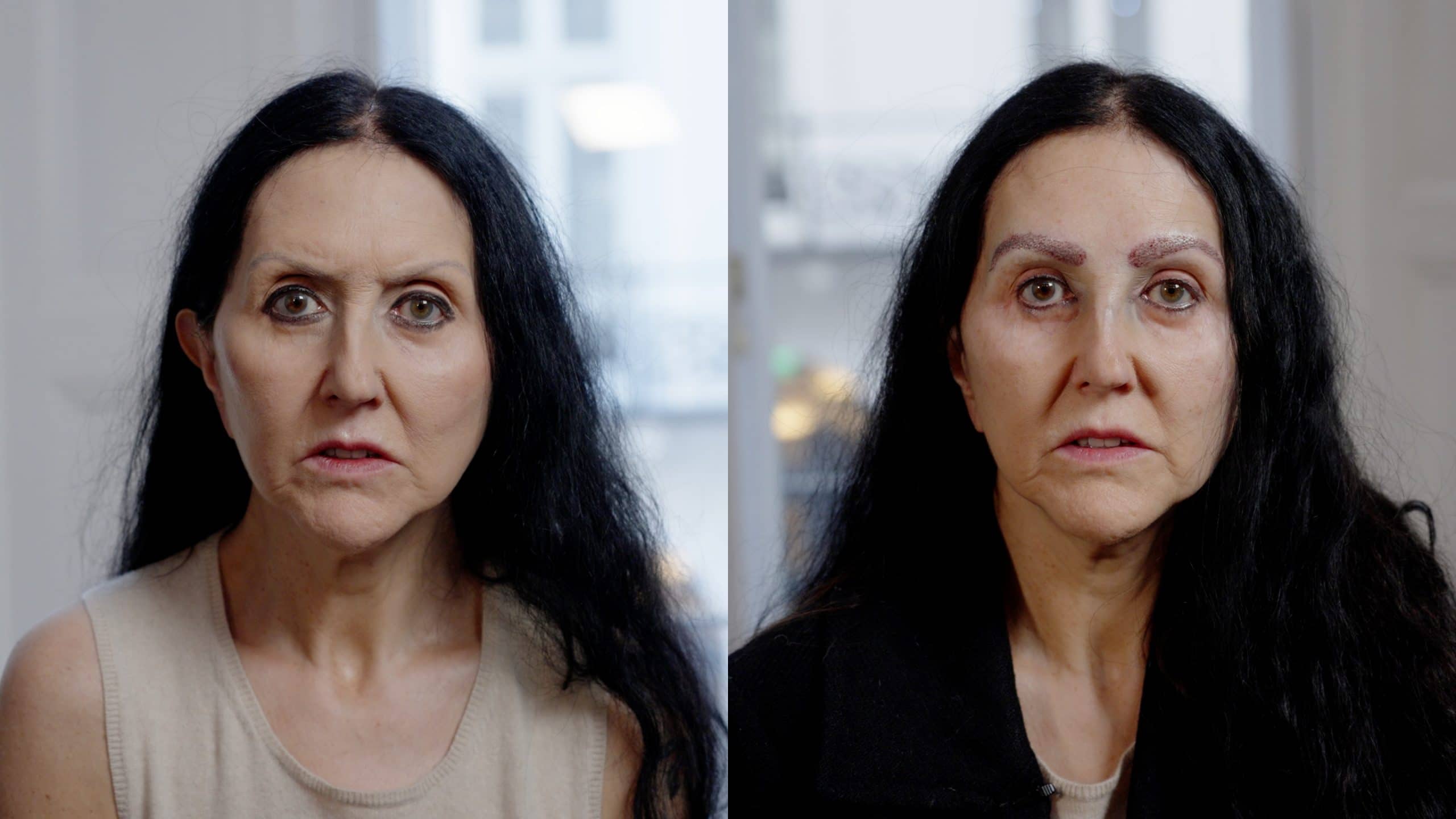
Most FUE hair transplants are performed to restore hair to the head. However, it’s also possible to get FUE for body hair! This is particularly common for the beard or the eyebrows. A beard or eyebrow transplant can completely transform a person’s appearance, as they are both parts of the body that are immediately visible to others.
The process is very similar to a scalp FUE hair transplant, only the surgeon will use specific tools and methods that make sure the hairs grow in the right direction on the face for a natural result.
Long-term Maintenance of FUE Results
Experiencing great results after 12 months is exciting for any patient. Naturally, you will want to make sure those results last a lifetime. The key to long-term maintenance of FUE results is:
- Gentle scalp and hair care: Even long after the recovery period, be gentle with your scalp and hair. Avoid tight hairstyles that tug at the scalp, for example, and avoid too many chemical treatments.
- Maintaining a healthy lifestyle: A healthy lifestyle goes a long way when it comes to your hair health. Avoid smoking, manage stress, and eat a healthy diet with all the nutrients your follicles need to stay healthy.
- Following aftercare: Following aftercare instructions will help your hair grow through. Always attend any check-ups your surgeon books for you.
- Maintenance treatments: In some cases, you may need to take maintenance treatments for the results to stick around. That might include taking daily medications like Finasteride or Minoxidil.
FUE Case Studies
We are proud to have helped thousands of patients regrow their hair once more. It has an incredible knock-on effect on every other part of a person’s life; it restores their confidence, improves their appearance, and makes them feel better day-to-day.
Case Study: Wes
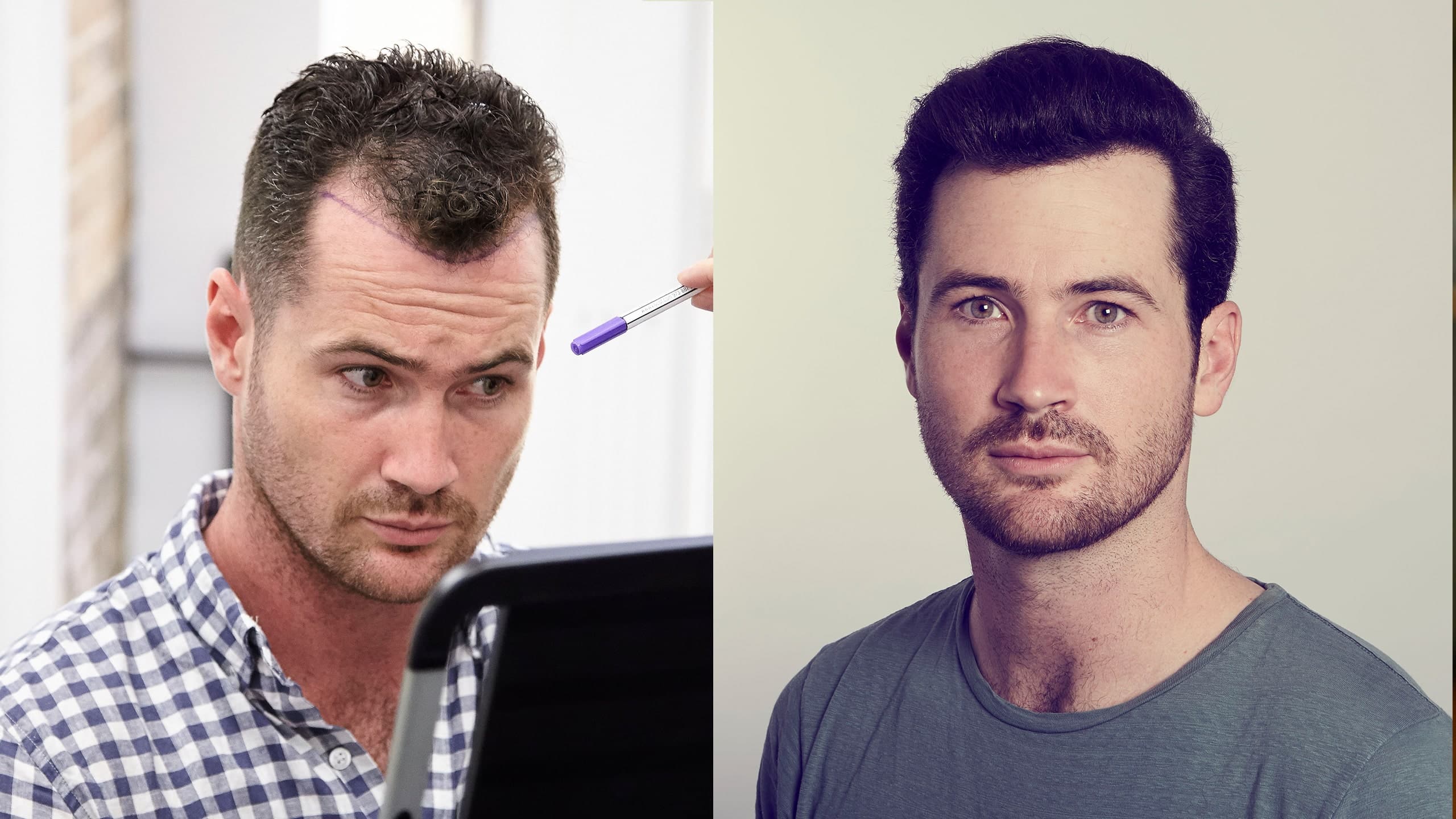
Before:
After:
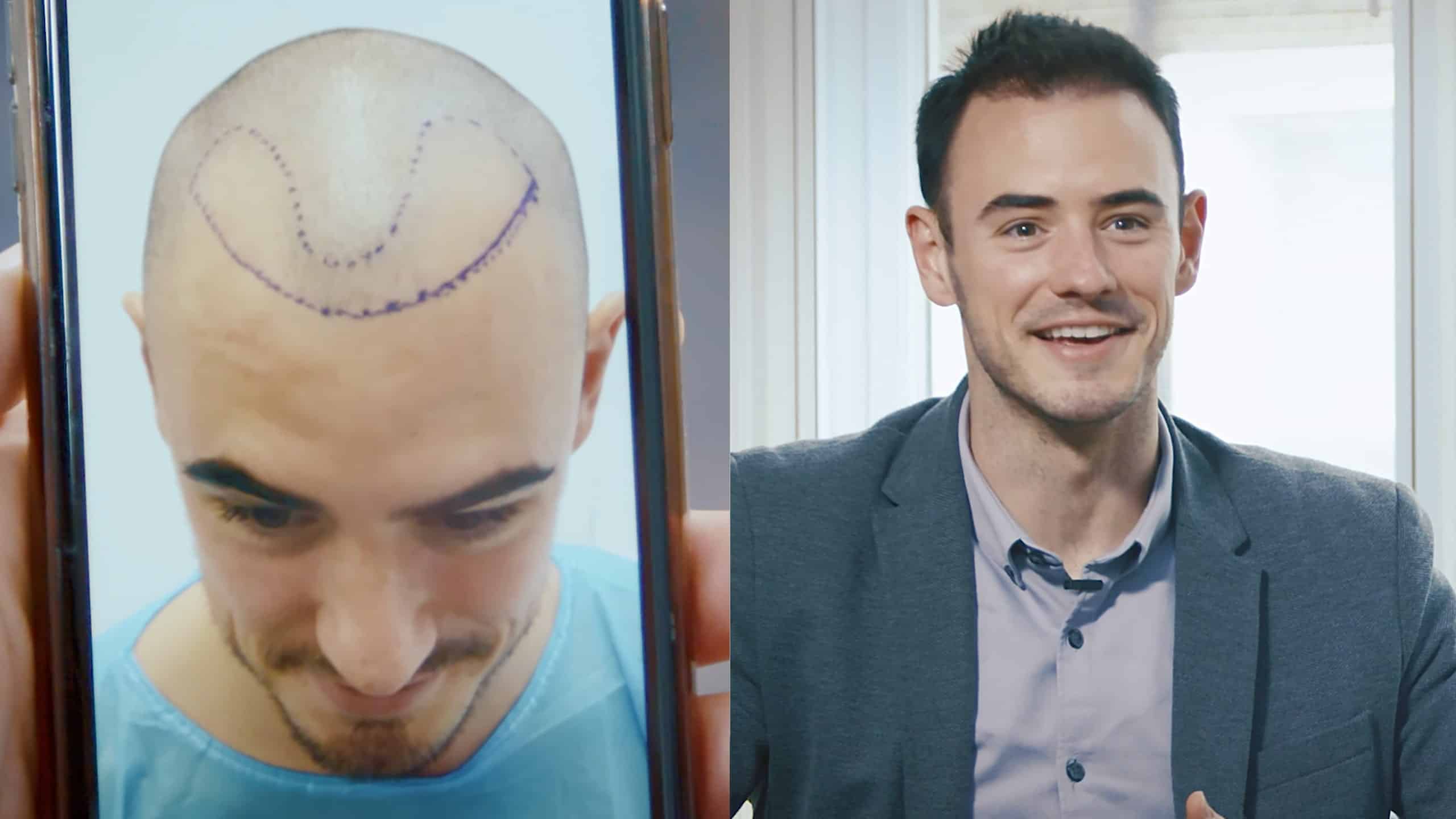
One of our patients, Wes, decided to get an FUE hair transplant after experiencing hair loss in his mid-20s. Speaking about the procedure, he said:
“I actually really enjoyed the procedure… I didn’t feel any pain at all.”
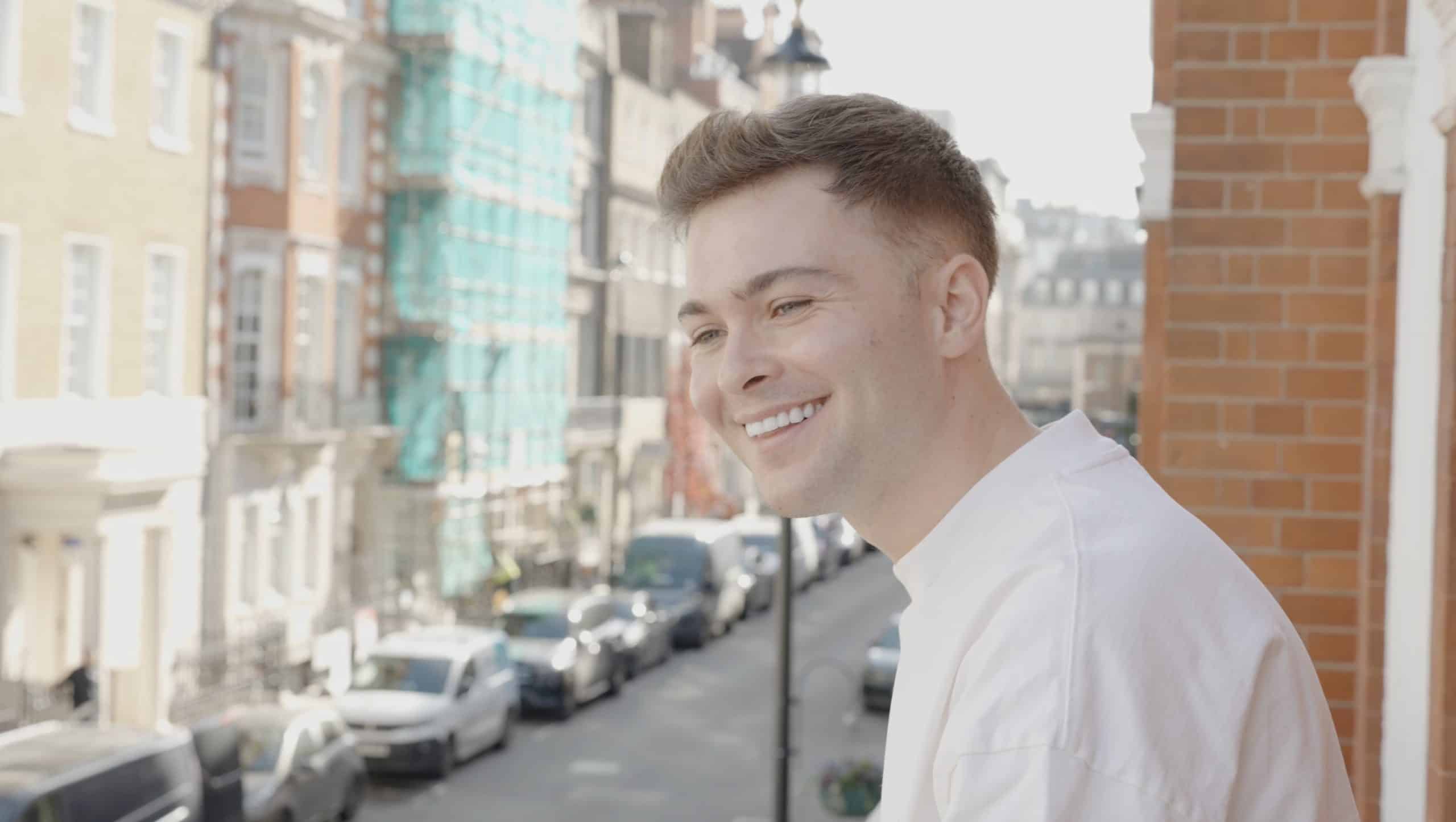
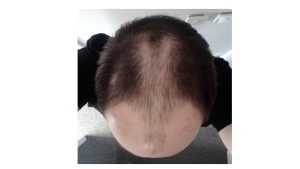
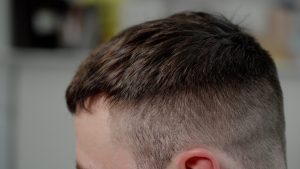
The results actually speak for themselves. Before the surgery, Wes experienced a lot of thinning on the top of his scalp. Following the surgery, he now has thick, dense, dark hair running all along the top of his scalp, letting him enjoy a full head of hair once more. Individual results may vary.
FUE hair transplant FAQs
An FUE hair transplant is a follicular unit extraction procedure where individual hair follicles are removed from a donor area and implanted into thinning or balding areas of the scalp.
The process involves a surgeon meticulously extracting these individual follicles, creating tiny, hollow punches that are around 0.7-1.2mm. They then clean and prepare the follicles before implanting them into the recipient area, where they will be able to grow.
FUE involves extracting single follicular units and implanting them at precise angles to recreate natural hair growth patterns.
The surgeon examines the scalp beforehand so they know the best places to extract and then implant. The process involves specialised tools and a very precise technique. The surgeon takes into account natural hair growth patterns and carefully plants the harvested hair follicles to match this pattern. These hair follicles then live in that new area, where they can grow new, healthy hair.
FUE removes individual follicles with minimal scarring, while FUT involves removing a strip of scalp that can leave a linear scar.
FUE is a more meticulous process that takes longer. The surgeon extracts individual hair follicles from the donor area, which means they have more control over the final look, and there is minimal scarring at the end. On the other hand, with FUT, the surgeon harvests a whole strip of hair follicles at a time, making the process faster but leaving a linear scar. FUT is sometimes used when a large amount of hair loss has occurred, and a high number of grafts are needed.
Good candidates have sufficient donor hair density, stable hair loss, and realistic expectations.
A good candidate for FUE is anyone who has experienced stable hair loss but still has enough donor hair density for the surgeon to harvest hair follicles. Usually, they are over the age of 25 (when hair loss has stabilised). Certain underlying medical conditions get in the way of a person being a good candidate, such as scalp disorders, blood disorders, and body dysmorphia.
FUE is performed under local anaesthetic and is generally pain-free, with mild discomfort during recovery.
The surgery itself is pain-free thanks to the use of a local anaesthetic. The most a person will feel during this process is a bit of tugging. Following the surgery and after the local anaesthetic has worn off, the patient may experience some mild discomfort. Some people say it feels similar to a mild sunburn.
Initial growth typically appears around 4–6 months, with full results at approximately 12 months.
You may begin seeing very fine, sparse hairs after 3 or 4 months. Full results will show through after 12 to 18 months, which is when the hair will be thicker and cover the entire area.
Yes, transplanted hair is permanent and continues to grow naturally.
FUE is a permanent procedure that lets the patient enjoy a full head of hair forever. To ensure maintained results, it’s important to choose a highly reputable clinic and surgeon and follow all instructions to a T.
The short answer is no, not everyone is suitable for FUE. In our experience most patients are suitable for a hair transplant to some degree. However, a number of factors come into play when it comes to a good hair transplant. You must have enough good donor hair for a successful transplant. We ensure you have enough donor hair to not only give you amazing results, but also ensure you have the option to have further hair transplanted, should you need it in the future.
Once your hair is transplanted it continues the characteristics it had before it was transplanted, the hair is typically taken from the back and sides of the scalp due to hair from this area of the head remaining in the natural hair growth cycle for much longer than at the front and crown. This means the hair will last a lifetime for most, or at least into old age.
If done currently by an experienced doctor in a reputable clinic, the appearance of scaring after an FUE hair transplant will be almost invisible to the naked eye. The art of a good hair transplant not only means producing the appearance of natural and realistic hair growth by also considers concealing scaring.
The recipient area scaring will only be detected though examination, the donor area will however have very fine scaring, which for most is covered by your hair. Unlike older strip methods, FUE is almost undetectable if done properly.
No, this can be very dangerous because your body will begin to reject the foreign tissue, which, will not only result in a failed transplant but can also cause scarring and infection.
Results will differ from patient to patient but for most you’ll see around an inch of hair growth 6 months after your procedure date with full results taking up to 12 months.
An FUE hair transplant only redistributes the hair you already have into thinning areas. There is no way to create new hair growth which means after experiencing hair loss you will never have the same amount of hair you once did. However, our surgeons have years of experience and are experts in working with what they have. Your hair will be transplanted in a way to look natural and realistic and mimic the natural hair growth you have in order to restore the appearance of fullness.
Yes, if you have the donor hair. Any reputable clinic will plan your hair transplant with the consideration that you might wish to have another transplant in the future to account for any further hair loss that may have happened.
Unfortunately, some hair transplant clinics over harvest the donor area during the first hair transplant which makes it very difficult to have a second transplant.
The extraction is carried out by one of our experienced doctors, whilst this is being done one of our nurses will prepare the extracted follicles under a microscope ready to be transplanted.
Your doctor will also prepare your recipient site for the follicles, this is where your doctor will be able to show their skill in creating a natural looking hair transplant. It is important that the hair follicles are transplanted at the correct angle and density to match the direction of the hair in the recipient area – this is what results in a natural and almost undetectable hair transplant.
Start your transformation today
Book your consultation online with one of the world’s leading hair replacement specialists and take the first step towards your new look.