
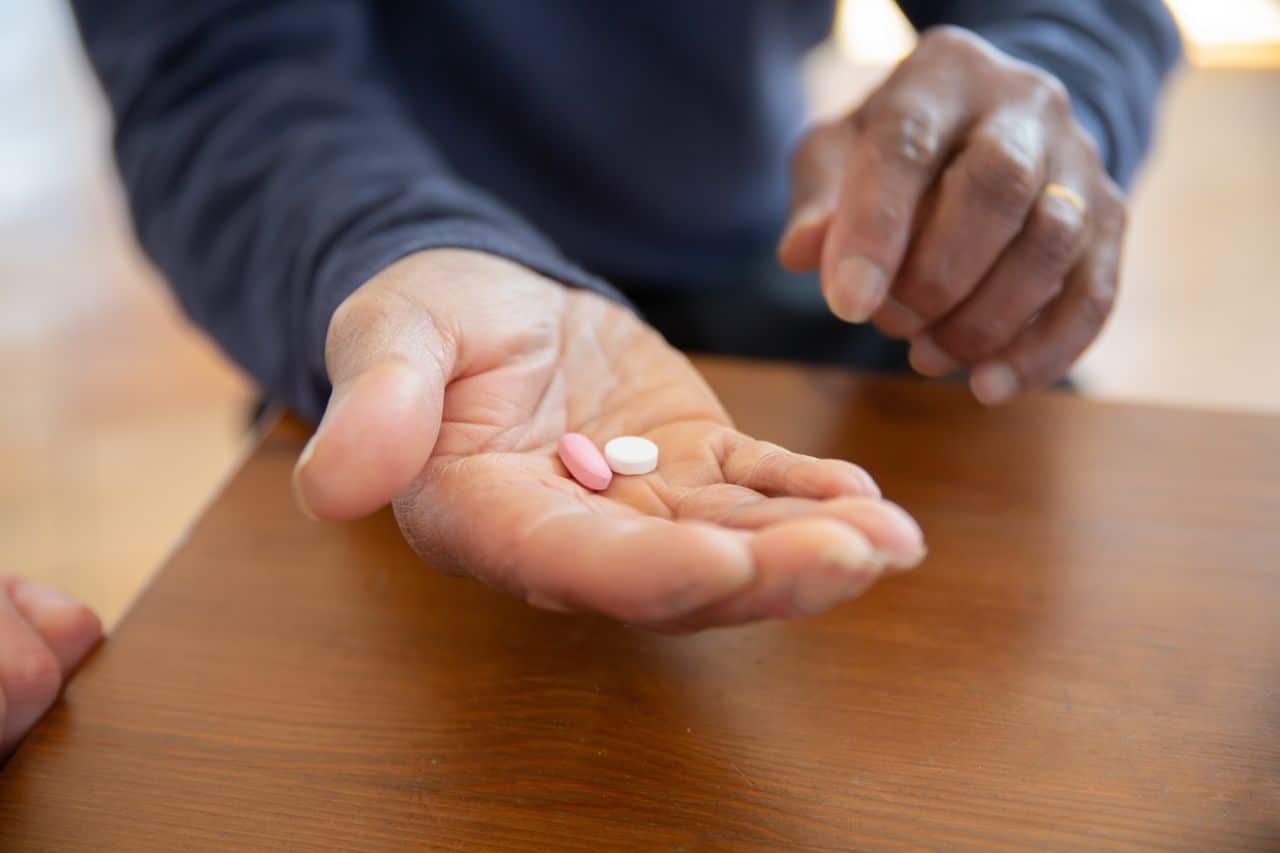
If you have landed here worried about finasteride side effects, perhaps after reading something alarming online, your concern is completely reasonable. As a clinic, we have this conversation with men all the time. Finasteride is one of the most effective hair loss treatments there is , and it is also one of the most talked about, which means a lot of fear travels alongside the facts. We would far rather you brought those questions to us and talked them through properly than carried them in silence.
That is the spirit of this guide. We want to give you the straight picture of what finasteride side effects are, how common each one really is, how serious they tend to be, and what the warning signs are that mean you should stop and speak to a doctor. We are not here to talk you into the drug or out of it. We are here to help you understand it, so that the decision you make is an informed one, ideally with a clinician who knows you.
The Most Commonly Reported Side Effects
Finasteride works by lowering levels of the hormone DHT, and because DHT does more in the body than drive hair loss, reducing it can have effects elsewhere. The great majority of men experience none of these. For those who do, the effects fall into a few recognised categories.
- Reduced libido, a drop in sex drive, is among the most frequently reported.
- Erectile dysfunction, difficulty getting or keeping an erection.
- Ejaculation problems, including reduced volume or difficulty.
- Mood changes, including low mood, depression, or anxiety.
- Gynecomastia, tenderness or slight enlargement of breast tissue.
- Testicular discomfort and, less commonly, a skin rash or itching.
The sexual side effects are the ones men discuss most, both in the clinic and online, so they are worth looking at with the actual numbers rather than the anecdotes alone.
How Common Are They, Really?
This is where the forums and the trial data can seem to diverge, and understanding why helps you weigh the risk fairly.
In the large clinical trials of finasteride 1mg for hair loss, sexual side effects were reported by roughly 4 to 5 percent of men taking the drug, compared with around 2 to 3 percent of men taking a placebo. In other words, the drug itself adds a few percentage points of risk beyond what men report from a dummy pill. A systematic review of the safety of these medications found sexual effects reported across a wide range depending on the study, with erectile dysfunction the most common, followed by ejaculatory problems and reduced libido. Some large studies have found rates below one percent, and one review of more than 17,000 patients found no statistically significant increase in sexual dysfunction for men taking the low hair-loss dose specifically.
A meta-analysis of fifteen randomised controlled trials found that finasteride carried around a 1.66-fold increased risk of sexual dysfunction compared with placebo. That is a real increase, but it is applied to a low baseline, which is why the absolute number of men affected stays small.
Two things explain the gap between these figures and the alarm online. First, men who experience problems are far more likely to post about them than the many who take the drug uneventfully, so forums naturally over-represent bad experiences. Second, expectation itself plays a measurable role. In one blinded trial, men who were warned about sexual side effects reported them at 43.6 percent, while men given the same drug without that warning reported them at just 14.3 percent. The effect is real, but so is the power of anticipating it.
Are They Serious, And Will Things Go Back To Normal?
This is the question we are asked most, usually by younger men, and it is a fair one to want a straight answer to. So here it is, as plainly as the evidence allows.
For the large majority of men who get sexual side effects, they are mild and they reverse. The reason is simple biology. Finasteride has a short half-life and leaves the body quickly, and once you stop, DHT levels return to their pretreatment state within about two weeks. Because the effect depends on the drug being present, most men find that reduced libido or erectile difficulty settles within a few weeks of stopping. Many find it settles even while they keep taking it, as the body adjusts. In the long-term trials, new sexual side effects appeared mainly in the first year and did not keep rising, and by the fifth year the number of men reporting erectile dysfunction had fallen to a fraction of a percent.
Gynecomastia and breast tenderness are uncommon and also usually reverse on stopping. So for most men, the honest answer to “will things work normally again” is yes, and usually within weeks of coming off it.
We will not pretend the picture is perfect, though, because you deserve the full truth. A small minority of men report sexual side effects that persist for months or longer after stopping. Dr Michael Irwig, an endocrinologist at George Washington University who has led much of the research into persistent effects, followed a group of otherwise healthy young men whose symptoms had already lasted at least three months, and found that in that specific group the effects often continued. His study deliberately looked at men who were already affected, so it describes what persistence looks like once it has happened, not how likely it is to happen to you. In a large database study of nearly 12,000 men, persistent erectile dysfunction affected around 1.4 percent, and the risk was higher in younger men who took the drug for longer. That is a real number, and it is also a small one.
If you start finasteride and something feels off, you do not push through it. You stop and get reviewed. Caught early, the odds are firmly on the side of a full return to normal.
The Harder Questions: Depression And Persistent Effects
A fair account cannot stop at the common, reversible effects, because two more serious concerns have driven much of the recent debate, and you deserve the honest position on both.
The first is mental health. Regulators including the UK’s MHRA have strengthened their safety warnings on finasteride, recognising that it can cause depressed mood and depression, and in rare cases suicidal thoughts. The absolute risk is very low. One analysis identified a few hundred reports of suicidal ideation across an estimated 270 million patient-years of use, which is a tiny rate statistically, but the seriousness of the outcome is why regulators have strengthened warnings and why it must be taken seriously rather than dismissed. There is a plausible biological mechanism, since the same enzyme finasteride blocks is involved in producing neurosteroids that help regulate mood.
This is one reason we ask about your history before prescribing. If you already live with depression, anxiety, or another mental health condition, that does not automatically rule finasteride out, but it does mean the conversation needs to be more careful, and that you and your prescriber should watch closely for any change in mood once you start. A side effect that is rare across the whole population deserves extra respect in someone who is already carrying that weight. Please tell your doctor about any mental health history, past or present. It is exactly the kind of thing that helps us look after you properly rather than a reason to hold back.
If at any point your mood drops or dark thoughts appear, and regardless of what you think the cause is, please reach out for support straight away. In the UK you can call the Samaritans free on 116 123, at any hour of any day, or text SHOUT to 85258. You do not have to be in a crisis to call, and you do not have to face it by yourself.
The second is post-finasteride syndrome, or PFS. A small number of former users report a cluster of sexual, physical, and psychological symptoms that persist for months or years after they stop the drug. This is a recognised area of concern, serious enough that the US National Institutes of Health lists it in its rare disease database. It is also a truly contested one. There are no agreed diagnostic criteria, no confirmed mechanism, and no reliable measure of how often it occurs. That uncertainty does not mean the men reporting these symptoms are imagining them. It means medicine has not yet been able to explain, predict, or treat the condition, and honesty requires saying so plainly rather than either endorsing or dismissing it.

When To Stop And Speak To A Doctor
Knowing the warning signs matters more than memorising the statistics. You should contact your prescriber, and consider stopping the medication after that conversation, if you experience any of the following.
- New or worsening sexual dysfunction that does not settle after a few weeks.
- Any low mood, depression, anxiety, or changes in motivation or thinking. This one is not worth waiting on. The clear regulatory advice is to stop finasteride and seek medical advice promptly if depressive symptoms develop.
- Breast lump, pain, tenderness, or nipple discharge, which should always be checked.
- A significant allergic reaction such as swelling of the lips or face, or difficulty breathing, which needs urgent care.
As a rule, it is best not to stop abruptly on your own without follow-up, because a proper review can confirm what is happening, rule out other causes, and discuss alternatives. The exception is a serious symptom, particularly a change in mood, where stopping and seeking advice promptly is the right move.
What To Talk Through With Your Doctor
Reading about finasteride online can only take you so far, and it can just as easily raise your anxiety as settle it, because nothing you read is written about you specifically. A single consultation does something no article can. It weighs these risks against your own history, your goals, and your hair loss, and gives you an answer that fits you rather than the average man. That is why we place so much value on the conversation, and why we would always rather you asked.
If it helps, these are the questions worth bringing to that appointment. They are the ones we find matter most.
- Given my age, my degree of hair loss, and my medical and mental health history, is finasteride a sensible option for me at all?
- What side effects should I watch for in the first few months, and what exactly should I do if I notice one?
- If I am worried about the systemic effects, are there alternatives, such as topical finasteride, a lower dose or frequency, or minoxidil on its own?
- How and when will we review how I am getting on once I start?
- What happens, and what is the likely recovery, if I decide to stop.
Bringing these to a prescriber turns a decision made in isolation into one made with proper guidance, which is where it should be made.
Making An Informed Choice
The sensible way to read all of this is neither to panic nor to wave the risks away. For most men, finasteride is well tolerated and the finasteride side effects, if they occur, are mild and reversible. For a minority they are troublesome, and for a small number the concerns are more serious and less fully understood. Those are the honest odds, and they are the reason the decision should be made with a doctor who knows your medical and mental health history, rather than from a forum thread or a single article.
If you are weighing up finasteride as part of a wider plan, it helps to understand how it fits alongside the other options and what results to expect from it. You can read more about how the medication performs and its treatment timeline, and if you would like a professional view on the right approach for your hair loss, our team is happy to talk it through. You can explore your options with us whenever you are ready.
If any part of this article has raised a personal concern about your mood, please do not carry it alone. Speaking to your GP or a medical professional is the right next step, and support is always available.
Frequently Asked Questions
What are the most common side effects of finasteride?
The most frequently reported are sexual, including reduced libido, erectile dysfunction, and ejaculation problems. Less common effects include mood changes, breast tenderness or enlargement, and skin reactions. Most men experience no side effects at all.
How common are finasteride side effects?
In trials of the 1mg hair-loss dose, sexual side effects were reported by around 4 to 5 percent of men, versus 2 to 3 percent on a placebo. So the drug adds a few percentage points of risk, and the majority of users are unaffected.
Do finasteride side effects go away?
Usually, yes. They tend to appear early and are often reversible, resolving either while continuing the drug or after stopping it. A small number of men report effects that persist after stopping, which is less common and less well understood.
Can finasteride cause depression?
Regulators recognise that finasteride can cause low mood and depression, and rarely suicidal thoughts, though the absolute risk is very low. Anyone who develops mood symptoms should stop and seek medical advice promptly.
What is post-finasteride syndrome?
It is a reported cluster of sexual, physical, and psychological symptoms that persist after stopping the drug. It is recognised as a concern but remains medically contested, with no agreed diagnostic criteria or confirmed mechanism.
Should I stop taking finasteride if I get side effects?
Speak to your prescriber first, who can assess the symptom and discuss alternatives, rather than stopping abruptly on your own. The exception is any change in mood, where stopping and seeking advice promptly is advised.
Are finasteride’s sexual side effects permanent?
For the large majority of men they are not, and they resolve during treatment or after stopping. Persistent cases are reported but uncommon, and the science around why they occur is not yet settled.
Is finasteride safe to take long term?
Many men take it for years without problems, and the long-term trial data is reassuring for most users. Long-term use should still be reviewed periodically with your doctor, particularly if any side effects arise.
Related Posts
Does Finasteride Work? Evidence & Timeline
Backed by large clinical trials, does finasteride work for most men? Around 83% keep their hair and two thirds regrow. See the full timeline.
The Norwood Scale: Stages of Male Pattern Baldness
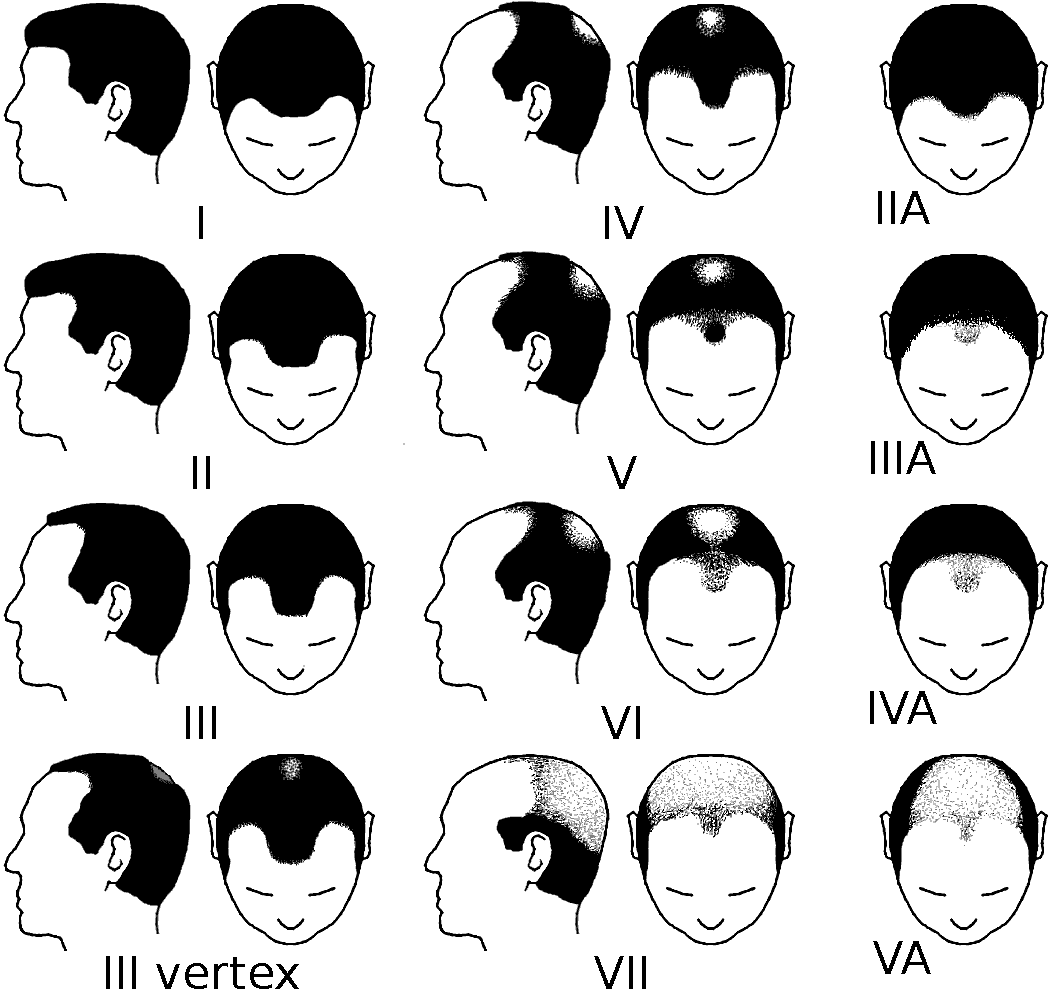
Wondering where you stand? The Norwood scale maps male pattern baldness across seven stages, so you can identify yours and see which options fit best.