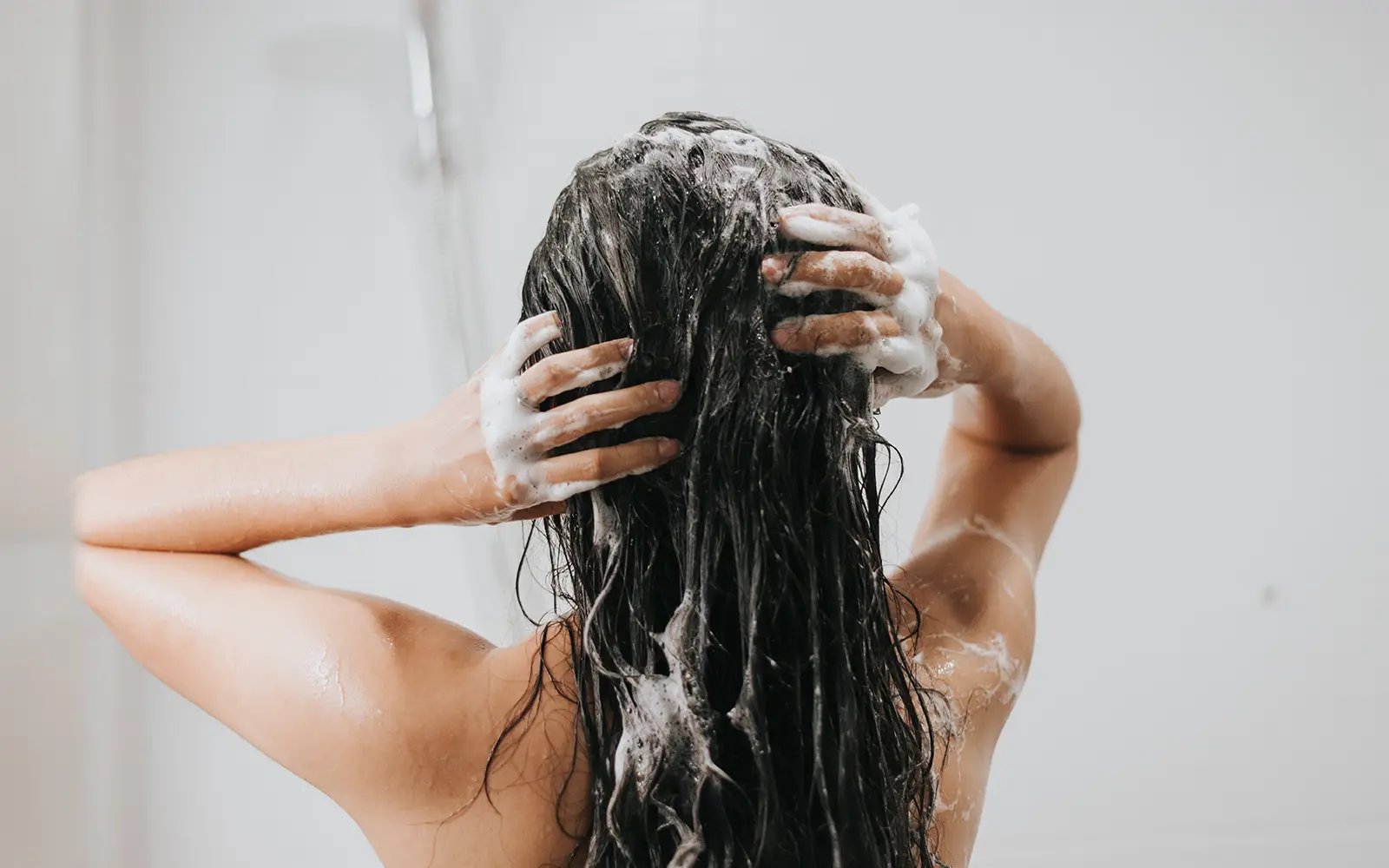
Choosing the right hair care products can mean the difference between healthy, voluminous hair and flat, drab locks. In some cases, products can even go so far as to either boost hair regrowth or worsen hair fallout.
Shampoo is something most people use frequently, whether a few times a week or daily. It makes sense, then, for individuals experiencing hair fallout to address the concern with a targeted hair growth boosting shampoo. While a shampoo cannot completely regrow the locks, certain ingredients may create a better environment for healthy growth.
At HS Hair Clinic, we offer expert advice on all things hair loss related, so here are the best shampoos for women’s hair loss, with a deeper look into shampoo ingredients for specific hair loss causes.
Understanding Female Hair Loss: Why the Type Matters
It’s important to know the type of hair loss you are dealing with – specifically, what’s causing the hair to fall out. Only then can you find the right treatment option, such as a shampoo for women’s hair loss. Here are the most common causes of female hair loss.
- Androgenetic Alopecia: This is a common cause of genetic hair loss that affects both men and women. In women, it’s called female pattern baldness. It causes diffuse thinning and is usually due to genetic factors and hormonal changes.
- Stress: Stress has a massive impact on the body, including the hair follicles. Too much stress can trigger telogen effluvium, a type of shock hair loss that leads to sudden shedding. It’s usually temporary and will grow back, but many women find that hair growth boosting products help the hair grow back thicker and faster.
- Nutritional Deficiencies: A nutritional deficiency can also cause telogen effluvium due to the body (and, in turn, follicles) not getting enough nutrients for normal body functions, like hair growing. Specifically, deficiencies in vitamin D, iron, zinc, and some B vitamins can cause the hair to fall out.
- Hormonal Changes: It is very common for women to experience hair thinning during extreme hormonal changes. This might occur during pregnancy, post-pregnancy, and during peri menopause or menopause. PCOS is also a common cause of hormonal changes and hair loss in women.
- Tight Hairstyles: Sometimes, a too-tight hairstyle can lead to hair loss. This is due to traction alopecia, which occurs when hair is pulled too tightly, damaging the hair follicles. While traction alopecia can usually be reversed, too much damage over time can actually destroy the follicle completely, meaning permanent loss. That’s why it is so important to avoid wearing tight hairstyles all the time or for too long. That includes dreadlocks, braids, and ponytails.
Keep in mind that a hair loss shampoo for women might help reduce hair loss, but it generally doesn’t target the root cause like the ones listed here. For that, speaking to a hair specialist is the preferred route, as it’ll help you understand the cause and put you on a treatment plan that targets it.
What to Look for in a Female Hair Loss Shampoo
When browsing various shampoos for women’s hair loss, there are certain indicators that tell you whether it’s a worthwhile buy (or not). In particular, look out for DHT-blocking ingredients, whether it’s sulphate-free, and whether it has either been clinically tested or cosmetically marketed.
DHT-Blocking and Scalp-Active Ingredients
DHT-blocking and scalp-active ingredients specifically aim to inhibit the 5-alpha reductase process that converts testosterone to DHT (which leads to follicle miniaturisation). While predominantly used for male hair loss, DHT blockers can also help treat female hair loss, especially when it is caused by hormonal imbalances. Here are some of the best DHT-blocking ingredients you can find in the best shampoos for women’s hair loss:
- Ketoconazole: An antifungal medication that can reduce inflammation on the scalp and even act as a mild DHT-blocker when used in shampoo.
- Saw Palmetto: This is a natural ingredient often used in shampoos as it reduces the amount of testosterone converted into DHT on the scalp.
- Caffeine: Caffeine helps extend the growth phase of the hair, stimulating the follicles and undoing the miniaturisation caused by DHT.
- Piroctone Olamine: This is a synthetic antifungal and antimicrobial ingredient typically used to treat scalp problems like dandruff and dermatitis. While it doesn’t directly block DHT, it indirectly helps boost growth by creating a better scalp environment.
Sulphate-Free and pH-Balanced Formulas are ideal
The best shampoos for women’s hair loss will not only contain active ingredients that promote scalp health and block DHT, but also be sulphate-free and pH-balanced. This is because sulphates are highly damaging and strip the scalp and the strands of the natural oils and moisture, leaving hair frizzy and brittle. On the other hand, sulphate-free and pH-balanced formulations maintain the scalp’s microbiome and retain natural moisture. The result is healthier, more hydrated, gently cleaned hair.
Clinically Tested vs. Cosmetically Marketed
There is a huge difference between clinically tested shampoos for women’s hair loss and simply cosmetically marketed shampoos.
Cosmetically marketed shampoos focus more on aesthetic improvements after the first wash, often resulting in smooth, shiny, and pleasant smelling hair. However, they do not typically treat conditions that cause hair loss.
On the other hand, clinically tested shampoos use active ingredients backed by studies to improve hair health and growth, often treating medical scalp issues such as dandruff. They are more strictly regulated than cosmetic shampoos, and their efficacy is supported by studies conducted by scientific experts, such as dermatologists. The active ingredients in clinically tested shampoos often include ones like ketoconazole, selenium sulphide, and salicylic acid.
Generally, the best hair shampoos for hair loss in women are clinically tested. Keep in mind, however, that the term clinically tested can be used pretty loosely, so it’s always worth checking the ingredients on the bottle before making a decision.
Matching the Right Shampoo to Your Hair Loss Type
When looking for the best shampoo for hair loss in females, it’s best to look beyond the brand or what other people tell you has worked for them. After all, everyone is different. What you need to figure out is what has actually caused your hair loss; only then can you find a shampoo with the right ingredients.
Best Shampoos for Women’s Hair Loss
Best Antifungal Shampoo for Women: Nizoral Shampoo
Nizoral shampoo contains the active ingredient ketoconazole. It targets Malassezia, a yeast that causes seborrheic dermatitis and dandruff. So, if a woman’s hair loss is worsened by a dry, itchy scalp, this shampoo can work wonders.
Best DHT-Blocking Shampoo for Women: Pura D’Or Anti-Hair-Loss Shampoo
If a woman is experiencing hair loss due to hormonal imbalances, she might experience good results with a DHT-blocking shampoo such as Pura D’Or Anti-Hair-Loss Shampoo. This contains the ingredient saw palmetto, which naturally reduces DHT on the scalp. It also contains argon oil, which is good for adding moisture and nourishment to the strands.
Best Soothing Shampoo for Women: E45 Shampoo
For women with dry, irritated scalps, the popular E45 shampoo works well. The anti-fungal agent climbazole works well at treating any bacteria or yeast present on the scalp, while the inclusion of vitamin B5 works towards nourishing the strands and adding shine. This can help women retain their hair by preventing breakage.
How to Get the Most from Your Female Hair Loss Shampoo
Once you have bought the right shampoo for women’s hair loss, you’ll then need to use it properly. There are some usage tips to help maximise the product’s efficacy – here are the most important ones.
- Leave it on the scalp: Let the ingredients work their magic by leaving the product on the scalp for 3-5 minutes each time you wash your hair. It will mean the active ingredients can actually penetrate the scalp and stop the hair loss (or boost new growth).
- Be consistent with use: Be sure to use your hair loss shampoo for women at least a couple of times a week. By doing this, the active ingredients have a chance to make a difference on the scalp.
- Massage into the scalp: Massaging into the scalp stimulates the hair follicles and boosts blood circulation. This means the follicles have a better chance of absorbing all the nutrients in the shampoo, leading to boosted growth.
- Pair with conditioner: Some of the best shampoos for hair loss in females can actually be quite drying on the strands. To counteract this effect, be sure to pair the shampoo with a good, moisturising conditioner.
- Avoid harsh treatments or styling: While using your women’s hair loss shampoo, make sure you avoid any other treatments or styling choices that could damage any progress. For example, using too much heat on your hair, wearing very tight hairstyles (which can pull on the strands and lead to traction alopecia), and over-dyeing.
When a Shampoo Is Not Enough for Hair Loss in Women
In some cases, even the best shampoo for women’s hair loss is not enough to undo the damage.
While hair loss shampoos can help create a better environment for hair growth, and even undo some of the damage caused by hormonal changes (when using natural DHT-blockers), remember that a shampoo isn’t a miracle worker. If you have experienced significant thinning or menopausal hair loss, it is better to use a targeted hair restoration solution that can actively regrow the hair.
There are hair loss medications available, such as minoxidil, an over-the-counter hair growth medication that boosts blood flow to the scalp, delivering essential nutrients to the follicles to create a better growth environment.
There are also female hair transplants that allow you to regrow a full head of hair after experiencing thinning. The process involves extracting individual grafts from a healthy section of your scalp and then implanting them into the thinning area, whether that’s on the crown or the hairline. This is the hair restoration solution that makes the biggest difference, and the hairs that grow through will keep on doing so for the rest of your life.
Frequently Asked Questions
Do you have more burning questions about the best shampoo for hair loss in females? Here are some of the most frequently asked questions.
Can shampoo alone stop female hair loss?
Generally, no. The best shampoos for women’s hair loss can definitely help slow down hair loss or boost growth, but they cannot stop it altogether. Instead, the right shampoo will create a better scalp environment for healthy, new growth. If you want a more targeted hair restoration approach, speak to a hair specialist.
How long does it take to see results from a hair loss shampoo?
It usually takes between 3 and 6 months of ongoing, continuous use to see any changes from a topical treatment like a shampoo. Even after that, full results don’t usually show through until 12 months after you start using the shampoo. That’s why it is so important to be both patient and consistent with use.
What is the best shampoo ingredient for female pattern hair loss?
There are a couple of the best shampoo ingredients for female pattern hair loss. For reducing DHT, the best ingredients are ketoconazole and saw palmetto. For follicle stimulation, the best ingredients include caffeine and niacinamide.
Is it safe to use hair loss shampoo every day?
It depends on the specific hair loss shampoo for women – specifically, the ingredients used. If the shampoo contains active ingredients like ketoconazole, it is better to use it only a few times a week or on alternate days. However, other shampoos that use natural ingredients may be fine to use daily. If you are unsure, simply read the label on the bottle or speak to a hair specialist.
What is the difference between hair loss shampoo and regular shampoo?
A hair loss shampoo uses ingredients that target the scalp’s health to create a better environment for new growth. Active ingredients may include ketoconazole or saw palmetto. On the other hand, a regular shampoo focuses more on cleansing, style, and fragrance, often using ingredients like silicones and sulphates.
Do I need to see a specialist before choosing a hair loss shampoo?
While you do not have to see a hair specialist before choosing a hair loss shampoo, it is highly recommended that you do. This is to help you determine the cause of your hair loss before deciding on treatment. Plus, a hair loss treatment is not a standalone cure.
Related Posts

Best Shampoo After a Hair Transplant: What to Use and When
How you care for your hair and scalp after a hair transplant plays a significant…
Best Shampoo for Hair Loss in Men
There are many hair loss products available designed to help you maintain your locks, and…