GMC-registered surgeons · Rated 4.8 on Trustpilot · 7,000+ procedures since 2009
Over the years, our specialised team at Harley Street Hair Clinic has perfected the FUE hair transplant, the minimal-scarring method. Every procedure is carried out by a GMC-registered surgeon at our clinic on Wimpole Street, London. With award-winning surgeons and thousands of procedures behind us, we restore natural, permanent hair growth that follows your own hair’s direction and pattern, with no scarring.
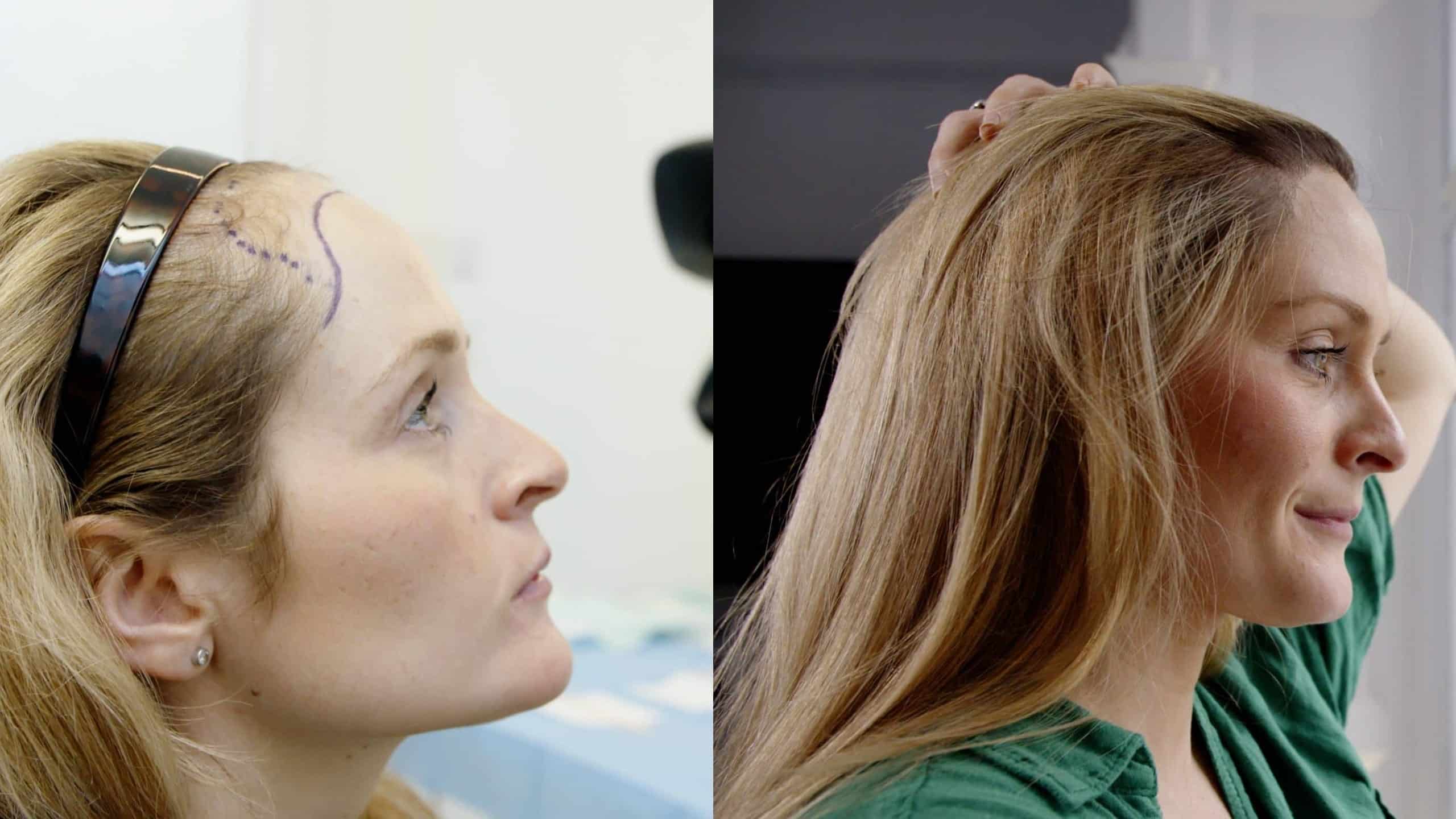
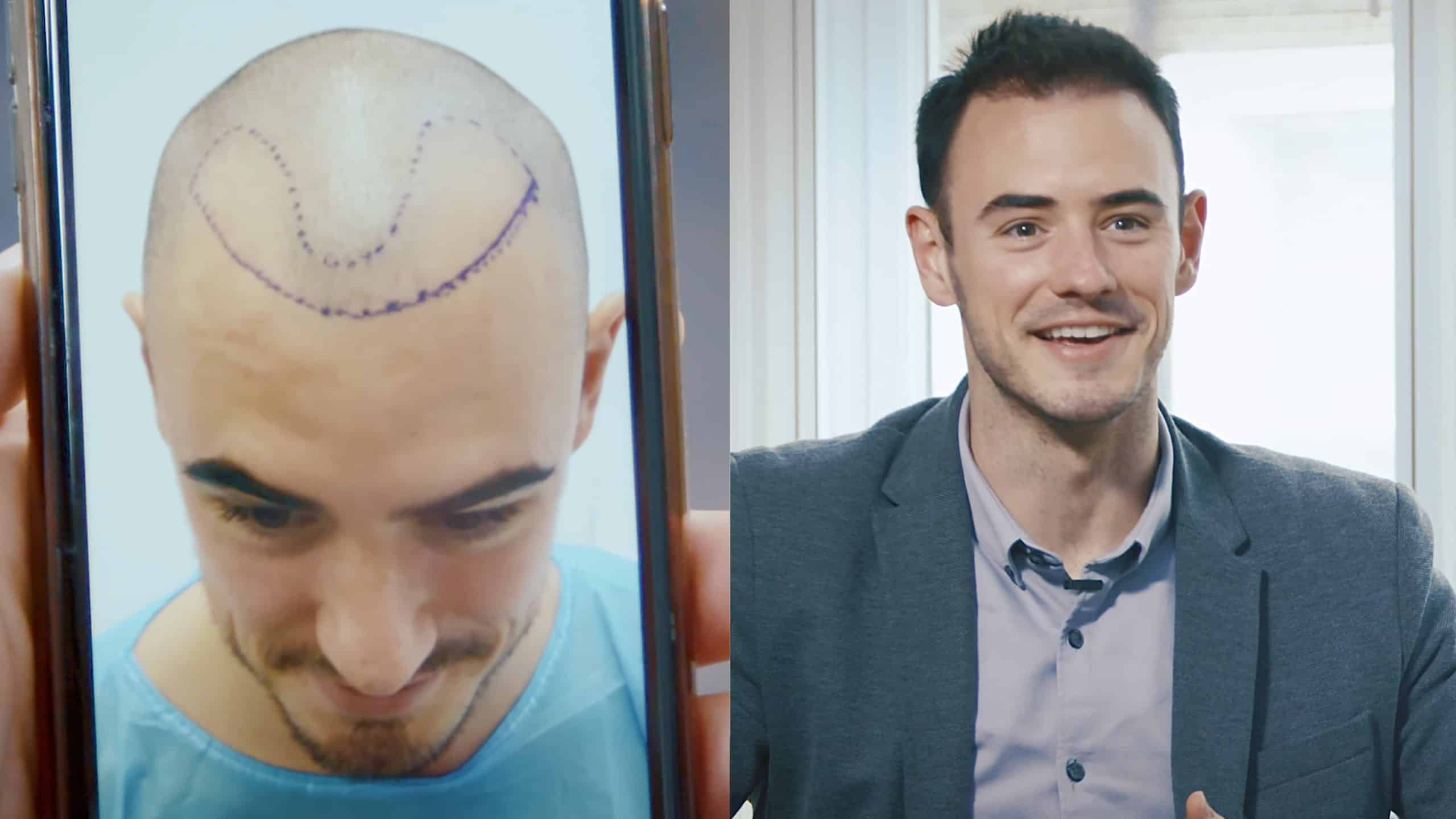
See real results below, or book a consultation.
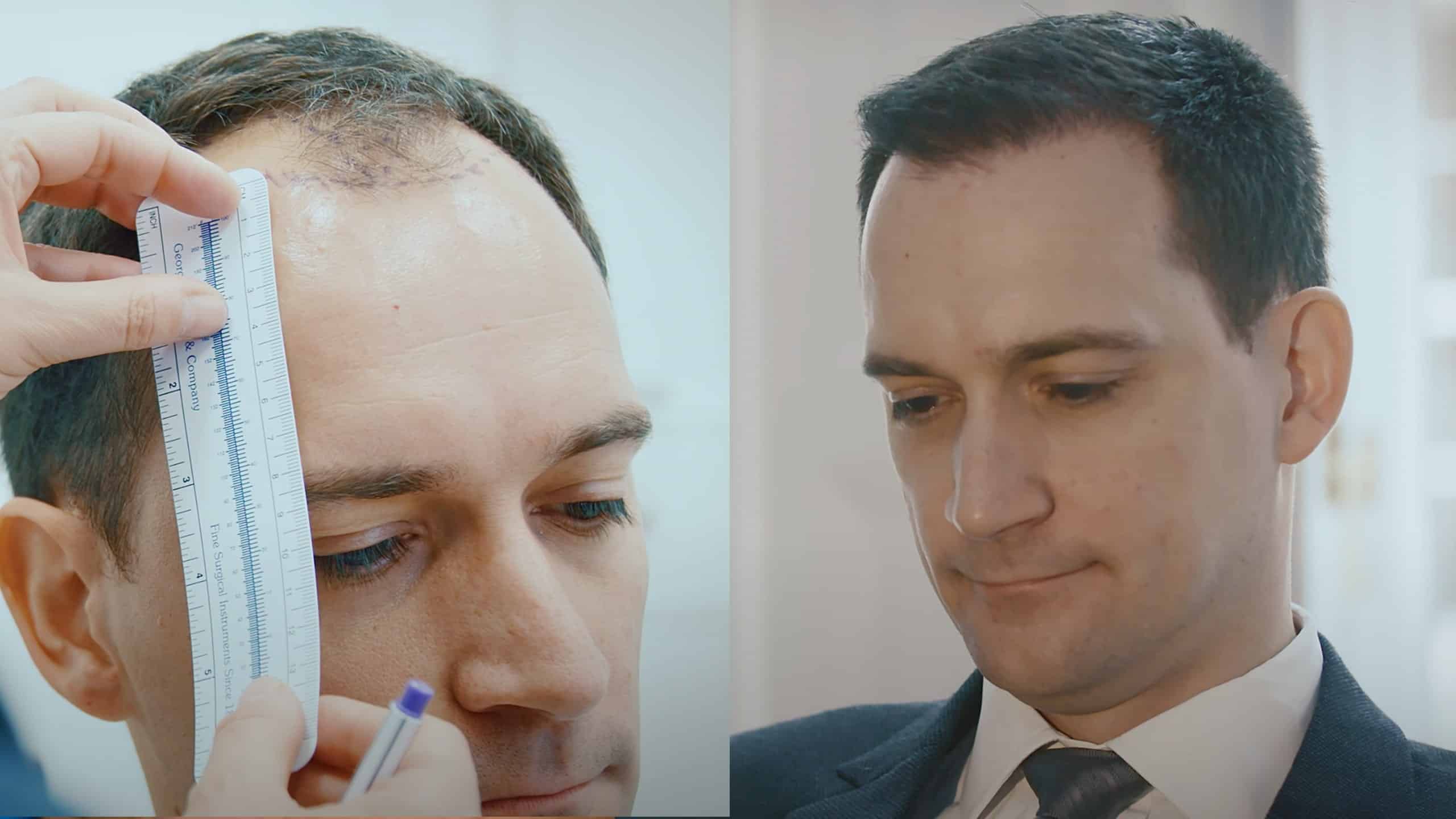
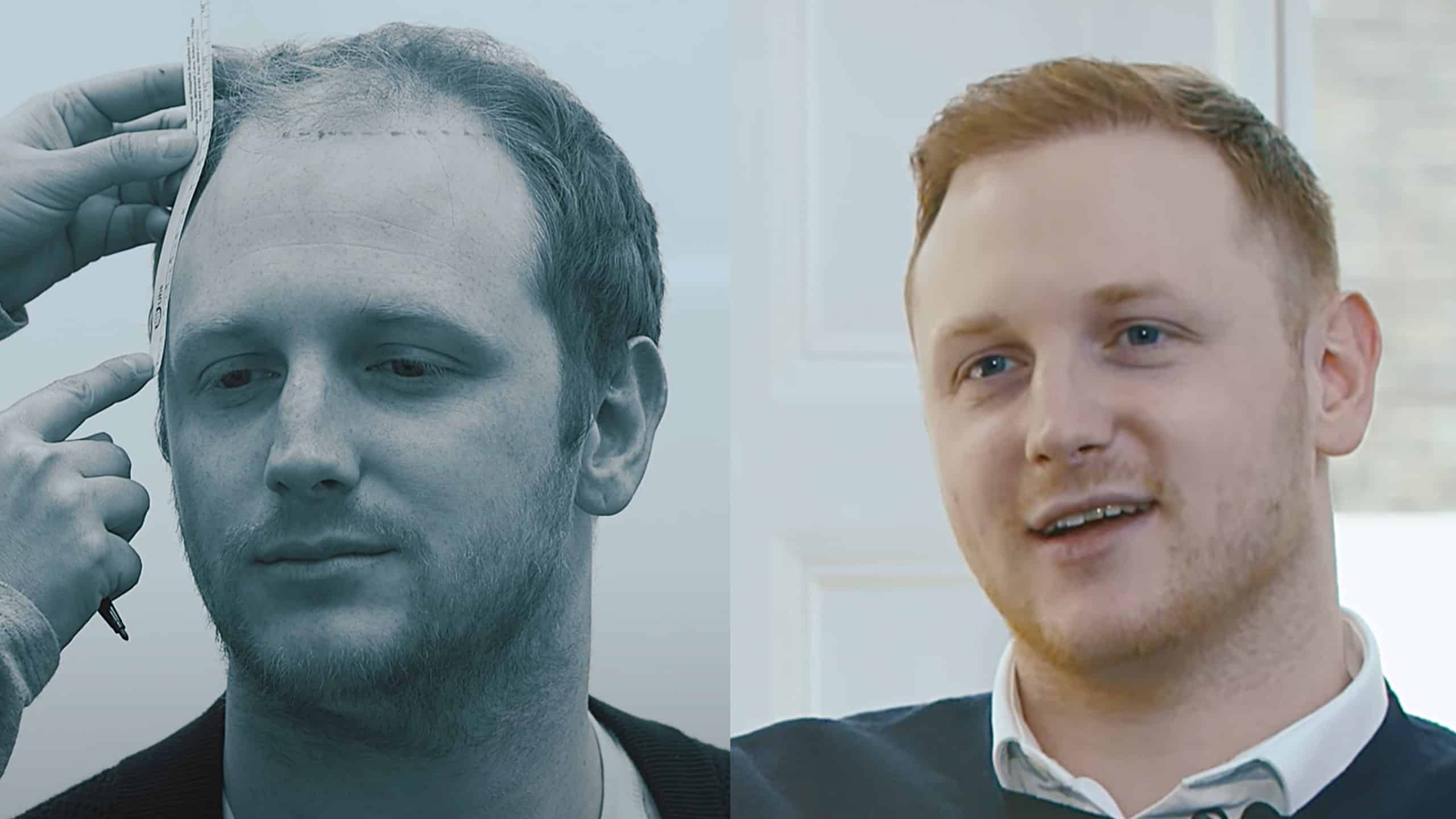
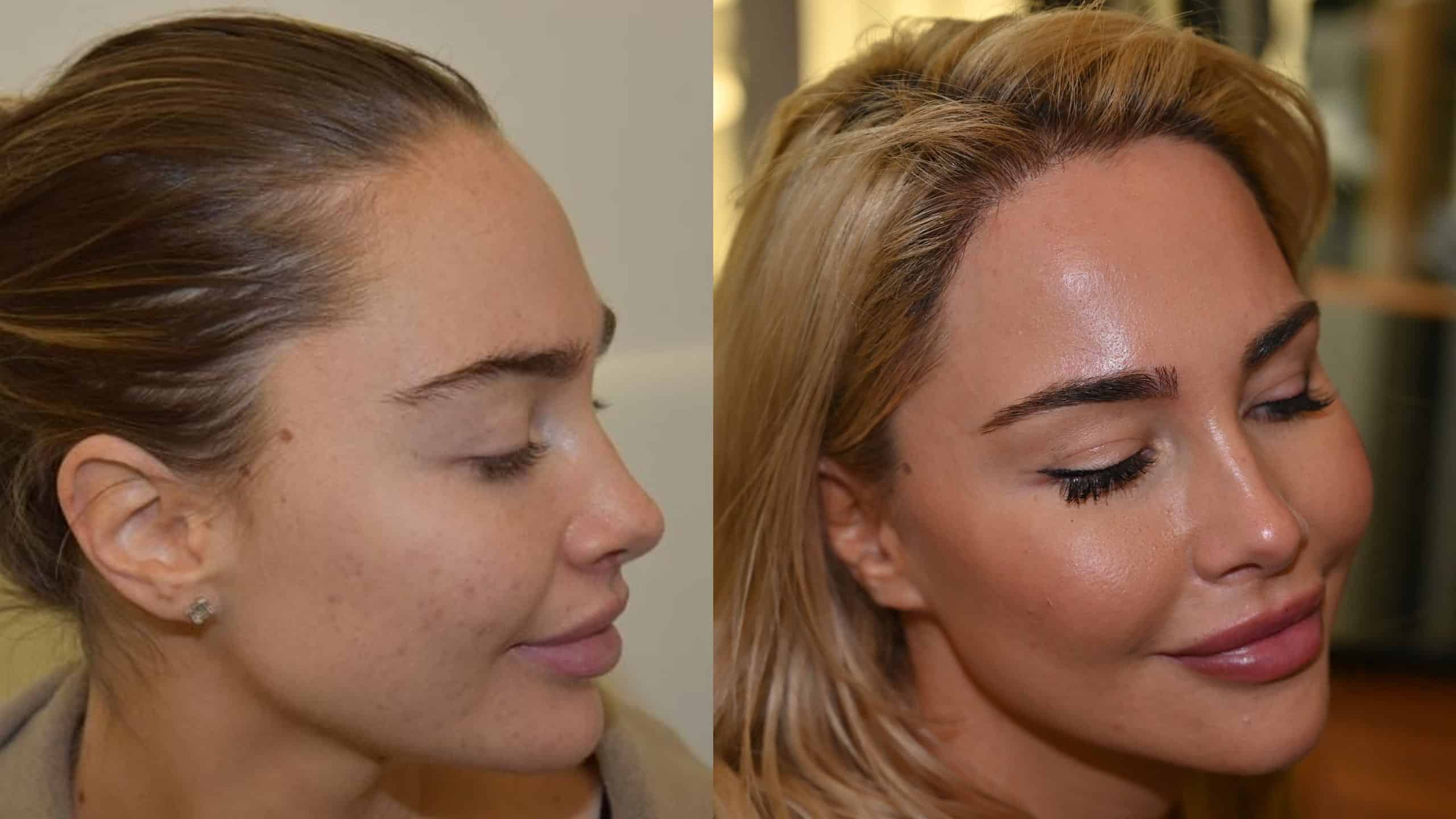
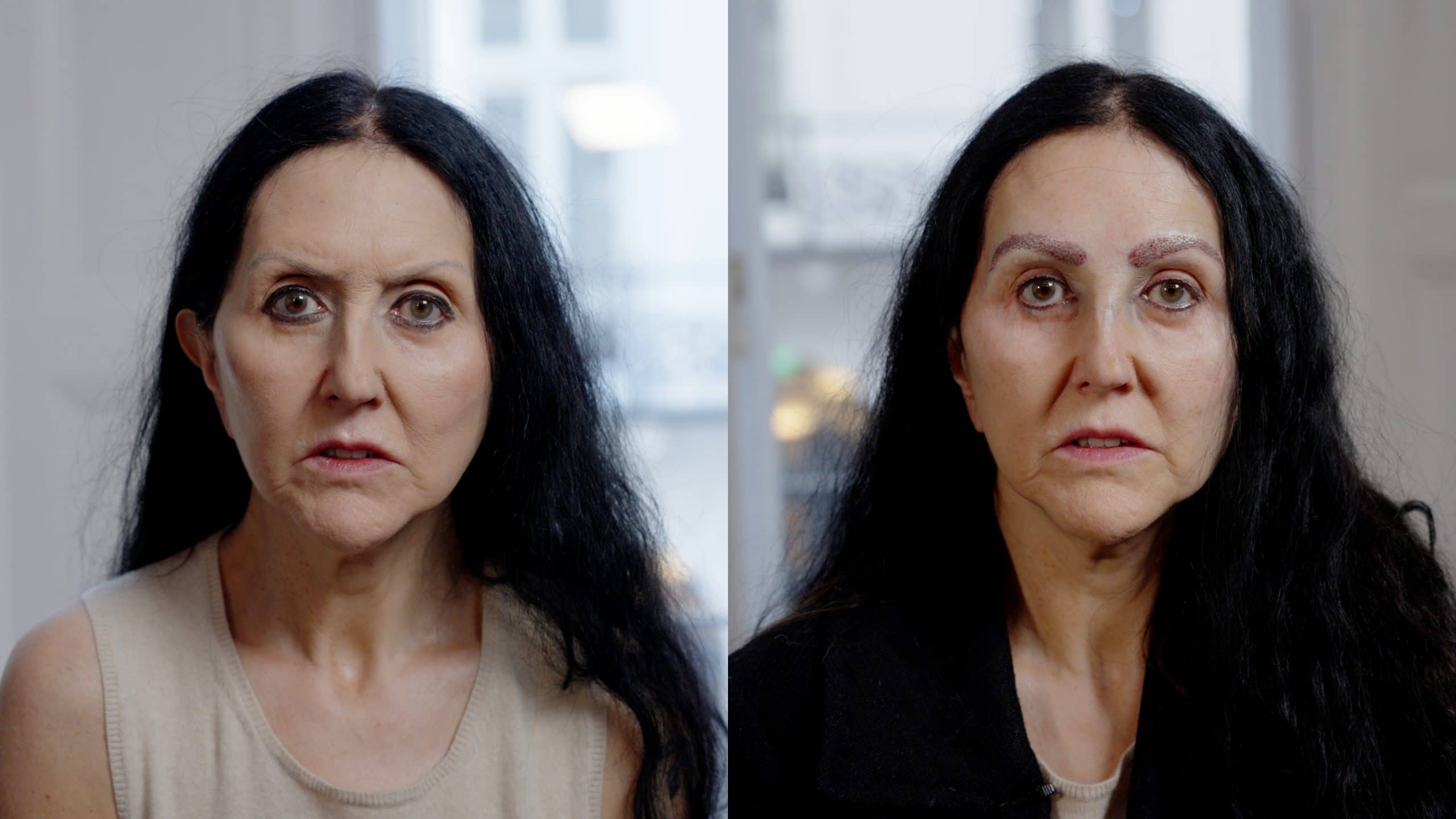
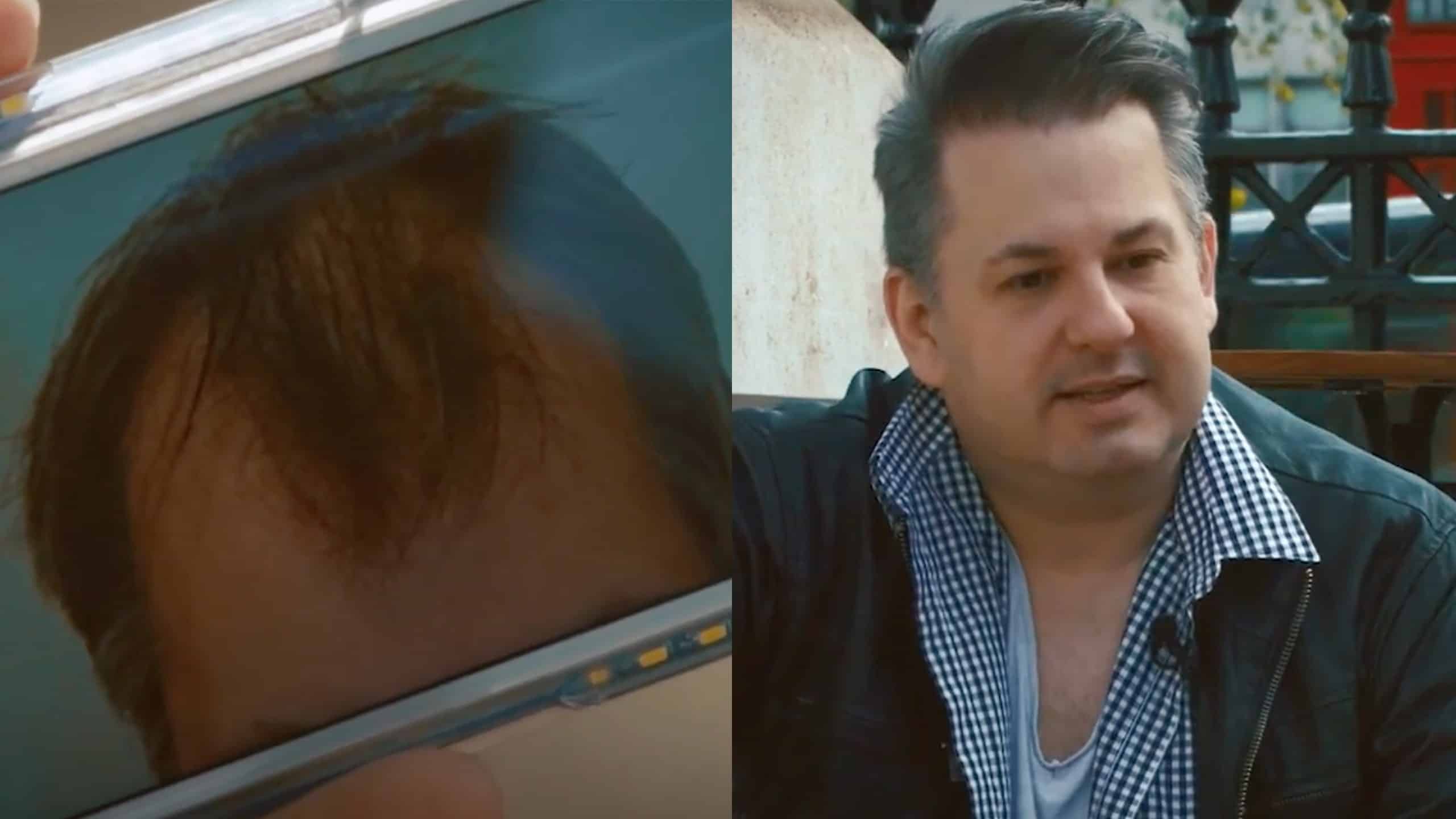
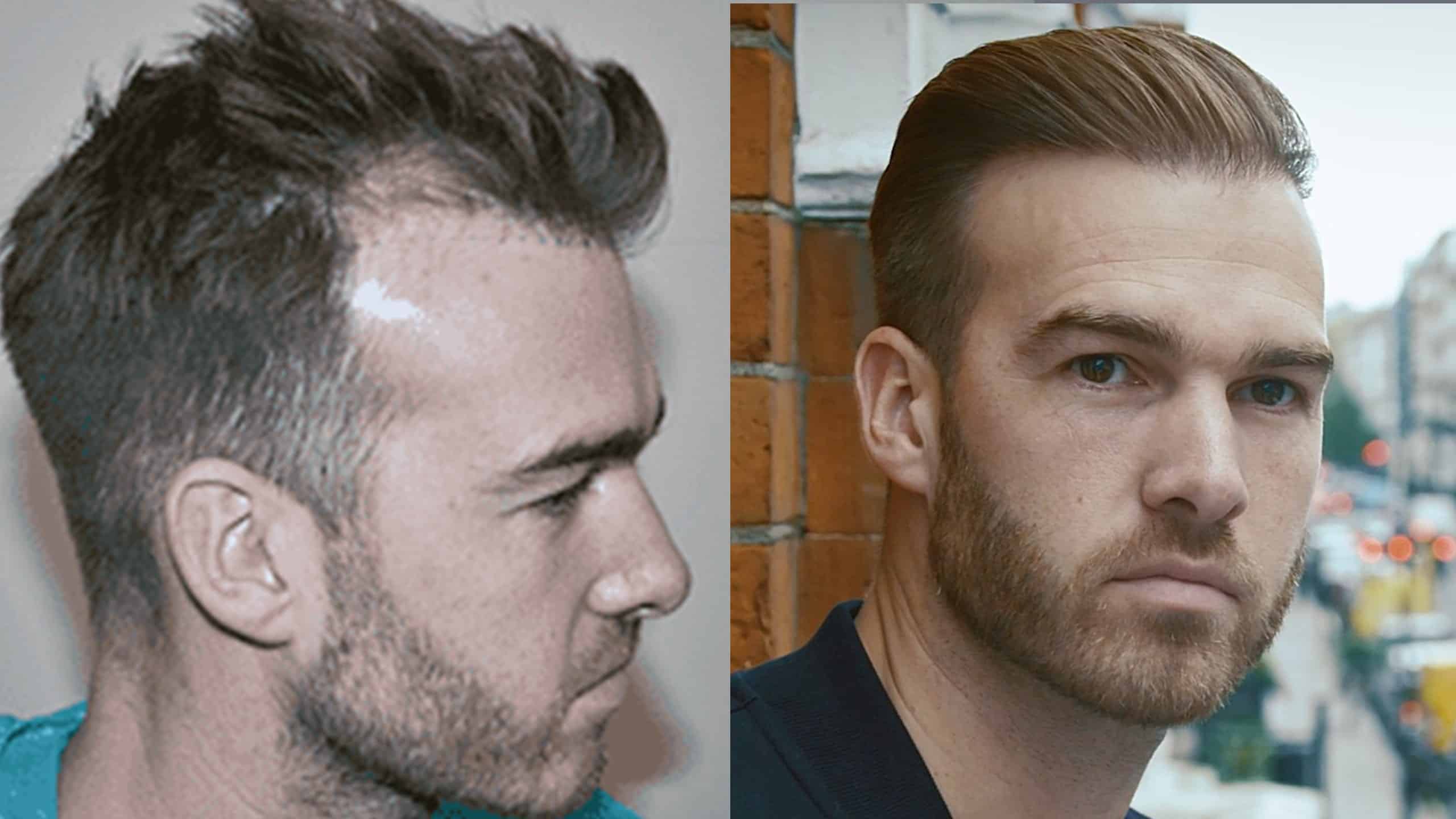
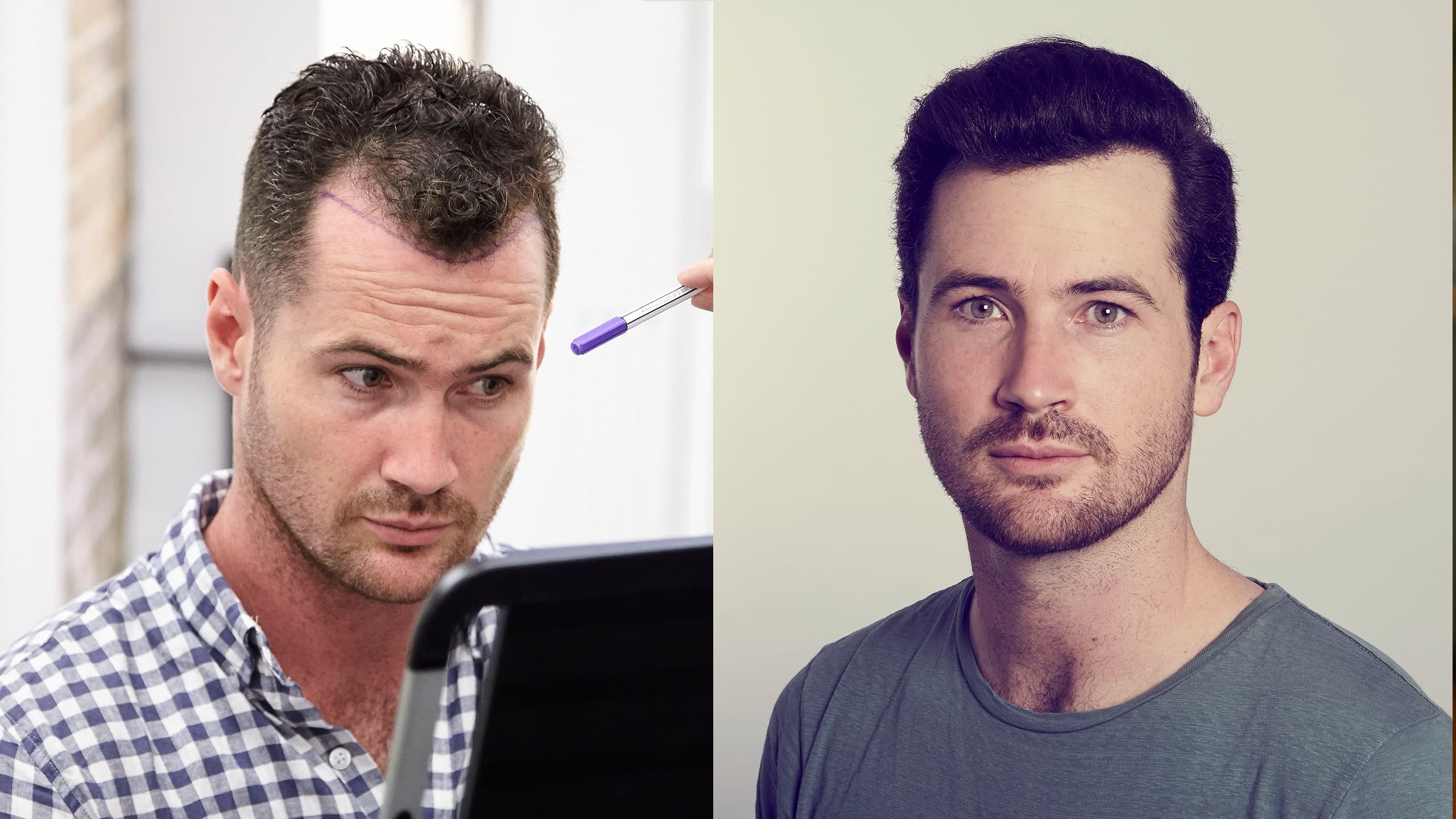
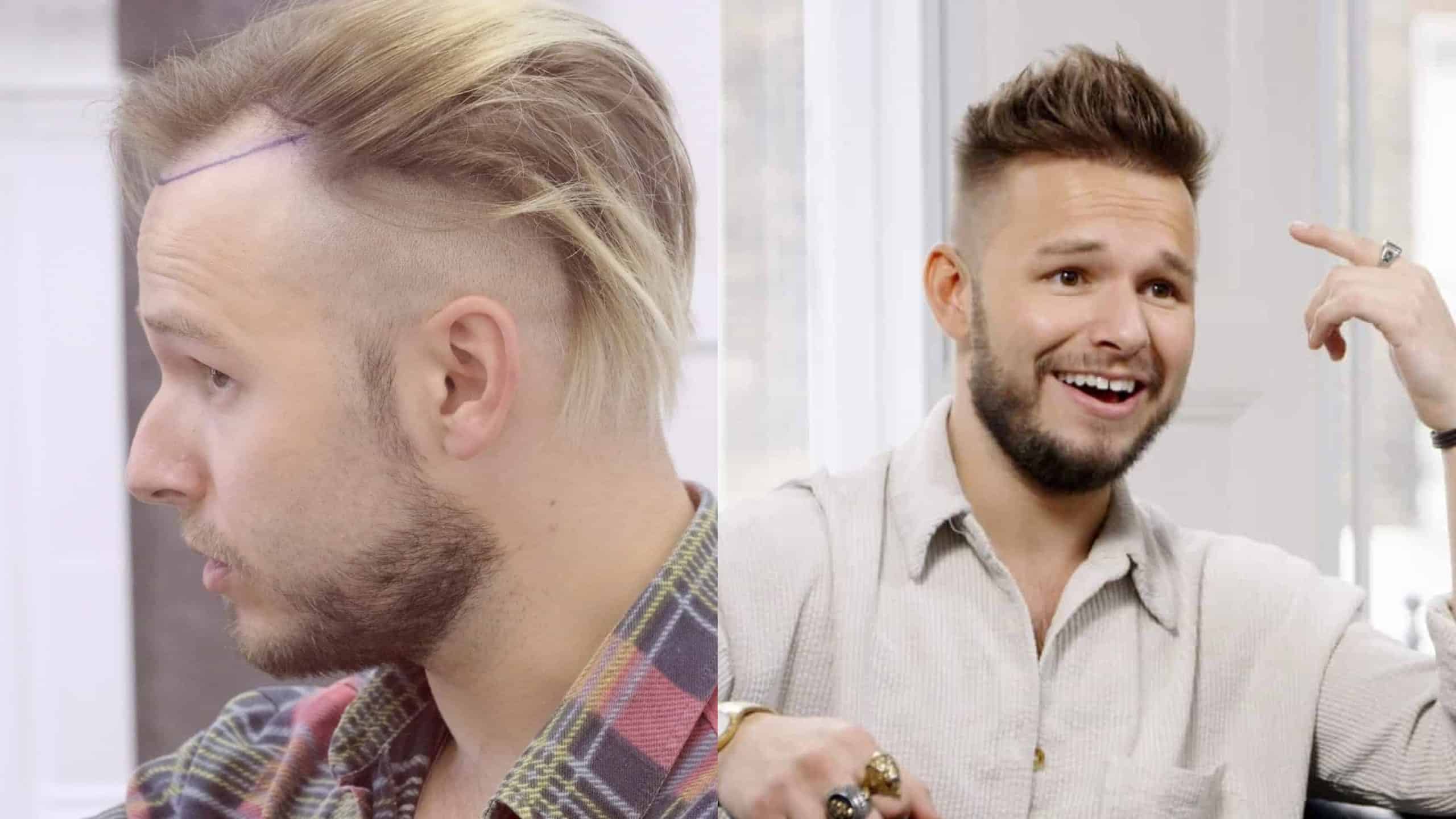
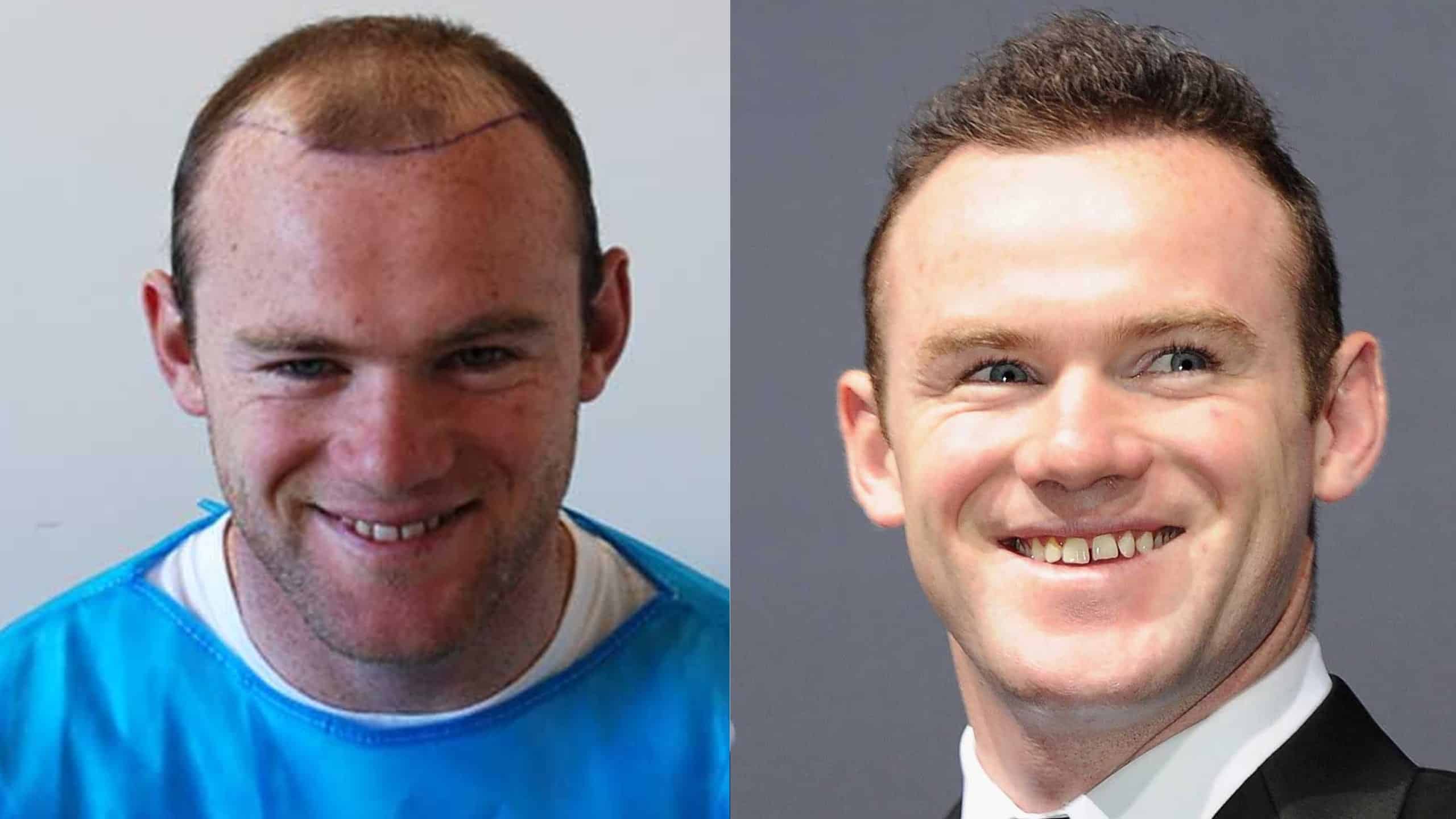
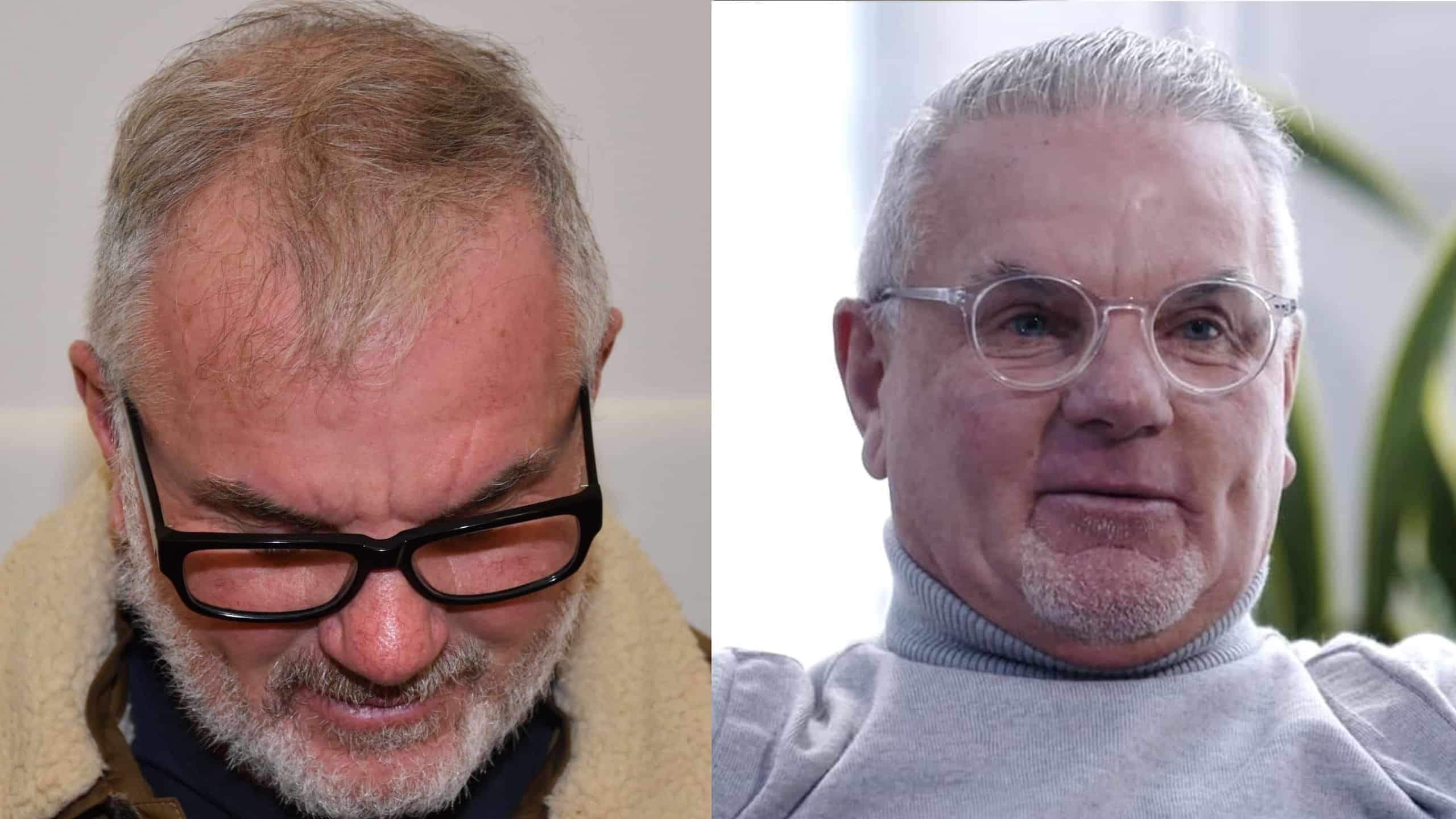
FUE Hair Transplant at a Glance
What is a FUE Hair Transplant?
A FUE (follicular unit extraction) hair transplant is the most advanced, natural-looking method of restoring lost hair, and the only method we perform. Rather than removing a strip of scalp, your surgeon extracts individual hair follicles one at a time from the donor area at the back and sides of your head, then implants them into thinning or balding areas following your hair’s natural growth pattern.
Because the follicles are taken individually, there is no linear scar and minimal downtime, most patients return to normal activities within a week or two. It is a meticulous, technically demanding procedure, which is exactly why we specialise in FUE and nothing else: with 7,000+ procedures behind our surgeons since 2009, it is all we do, and we have refined it to deliver results that are genuinely undetectable.
Each graft holds between 1 and 4 hairs and is removed under local anaesthetic with a micro-surgical instrument between 0.6mm and 1.0mm in diameter. Your surgeon then makes tiny incisions in the recipient area with specialist micro-needles and places each graft at an angle and density that matches your original hair, so it blends into a natural pattern.
Could a FUE Hair Transplant Work for You?
Anyone whose hair loss has stabilised and who still has healthy donor hair at the back and sides of the scalp could be a candidate. It is especially effective for a receding hairline or thinning at the crown, and because we tailor every procedure to your own growth pattern, results look natural whether you wear your hair short or long.
What a FUE hair transplant can treat
- Male pattern baldness, a receding hairline or thinning temples, restored with a natural, age-appropriate hairline.
- Crown and vertex thinning, density rebuilt in the swirl at the top of the head (see our crown hair transplant).
- Diffuse thinning in women, softer coverage across a widening parting (see our female hair transplant).
- Scarring and scar concealment, hair grown through or around scars from surgery, injury, or older FUT strip procedures.
- Weak or patchy facial and brow hair, treated with the same FUE method (see beard and eyebrow transplants).
What to Expect During a FUE Hair Transplant: What Happens?
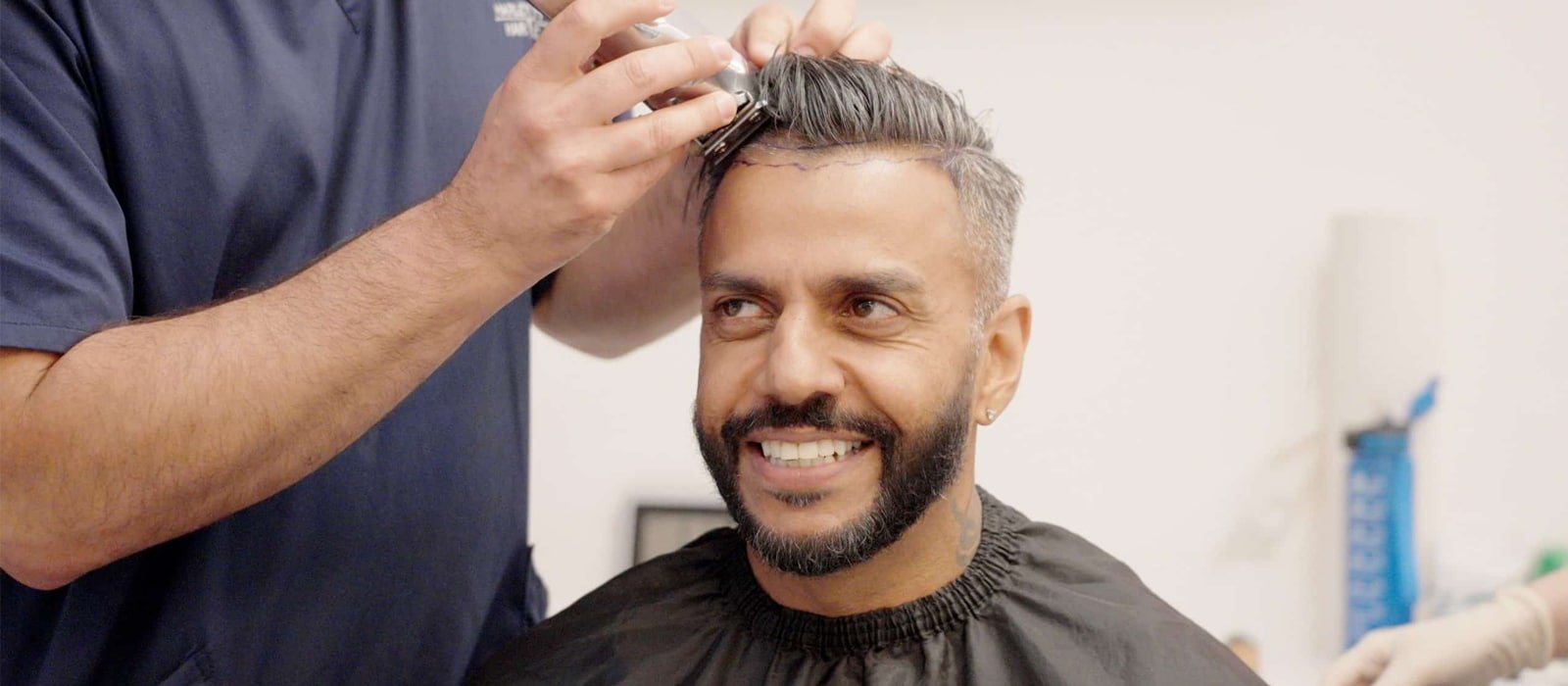
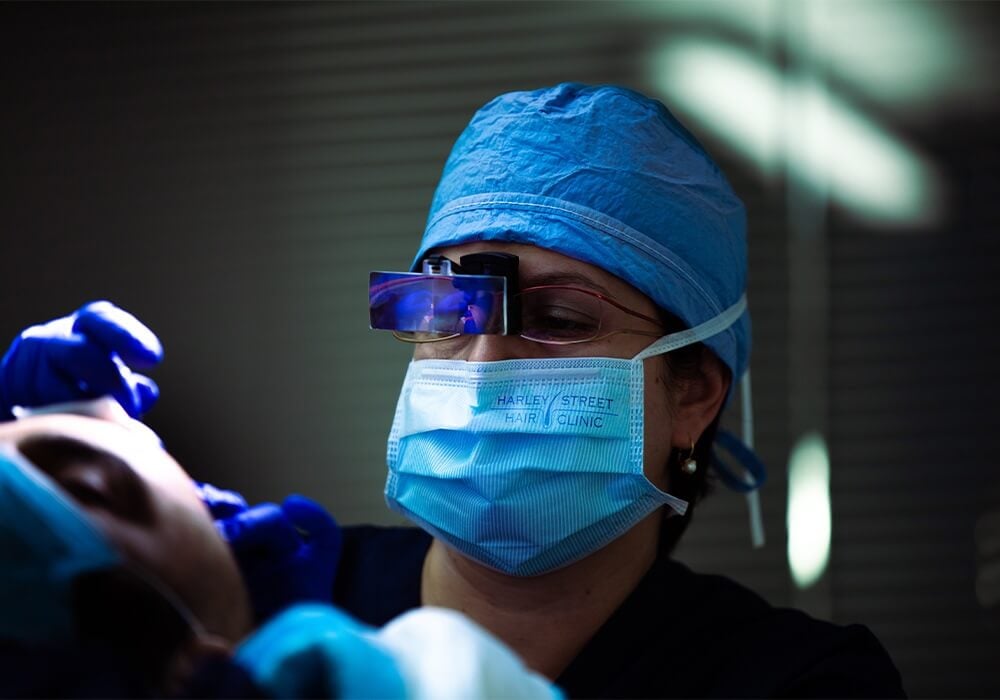
On the day of the procedure, the surgeon will begin by shaving the donor area for easier access to the hair follicles. From there, they will administer a local anaesthetic to the area so you won’t feel any pain throughout the process, but you will stay awake.
Then, the surgical process begins. It is a minimally invasive type of procedure in which the surgeon meticulously extracts individual hair follicles from the donor area, one at a time. It involves very small, shallow incisions that will not leave visible scars over time. Once the hair follicles (grafts) have been harvested, the surgeon will then prepare them for implantation. Then, small incisions are made into the recipient area where the grafts are then placed, with the surgeon placing them precisely in the direction of the patient’s natural hair growth cycle.
The length of time this whole process takes depends on the number of grafts needed and the complexity of the procedure. For example, some hair types are more difficult to work with and slow down the process. Often, our surgeons can complete the process within six to eight hours in a single day. During the surgery, you will receive breaks to stretch, eat, and take a few minutes for yourself for your comfort.
As you will have been under a local anaesthetic rather than a general anaesthetic, you will be safe to leave at the end of the process and follow aftercare instructions.
After the procedure
When the anaesthetic wears off, after 3 to 4 hours, your scalp may feel a little tight and sore. This eases within a few hours, and simple paracetamol or co-codamol helps. The treated areas may look slightly pinker than usual for a few days, and some mild swelling is normal.
You will go home with medication, typically a mild steroid to reduce swelling, a painkiller, and an antibiotic, with clear instructions on when to take each one.
The tiny transplanted hairs usually shed within a couple of weeks. This is normal: the roots stay in place, and new hair is usually noticeable from around 3 months, then grows as fast and as long as the rest of your hair. If hair is placed into a thinning area, some nearby existing hairs can shed temporarily too, and they regrow.
Who is and Who isn’t Suitable for a FUE Hair Transplant?
Many people benefit from a FUE hair transplant, but not everyone makes a good candidate. At Harley Street Hair Clinic, our consultations aim to provide as much information as possible so you can make the best decision for yourself and your hair restoration journey.
A good candidate:
- Stabilised hair loss
- Sufficient and healthy donor hair available
- In good health overall
- Has realistic expectations
- Follows a healthy lifestyle
A poor candidate:
- Still experiencing progressive hair loss
- Has an unstable hair loss pattern
- Not having sufficient donor hair
- Has underlying health issues
- Has a blood disorder
- Has scalp conditions like scalp psoriasis
- Has unrealistic expectations
- Has body dysmorphic disorder
The Norwood scale and your hair characteristics
Men whose hair loss has reached class 3 or above on the Norwood scale are typically good candidates, as long as the pattern has stabilised. If your hair loss has been progressing for around five years, you are also likely to be a good candidate. Your surgeon also looks at:
- Hair colour: the closer your hair colour is to your skin tone, the less noticeable thinning is, which usually makes for a stronger result.
- Donor density: a moderate to high density of follicles at the back and sides of the scalp is needed to cover thinning areas.
- Hair texture: curly or wavy hair, including Afro hair, gives more coverage per graft, so fewer follicles can create a fuller look.
- Hair thickness: thicker hair blocks more light from reflecting off the scalp, so it needs fewer grafts for the same effect.
- Scalp laxity: a looser, more flexible scalp makes extraction and implantation easier than a tight one.
No single factor decides it. Your surgeon weighs them together at your consultation.
If you are unsure whether you are a good candidate for FUE, it’s important to schedule a consultation with our team. We are unbiased in our advice, always ensuring we put our clients on the best possible route for both their hair restoration journey as well as their mental and physical health.
How to Prepare for a FUE Hair Transplant
The process of getting a FUE hair transplant begins before the day of the surgery, as there are certain things you need to do to prepare.
A week before the surgery: For a week before the surgery, you must stop drinking alcohol and smoking cigarettes. You must also avoid taking any blood-thinning medications, including ibuprofen and aspirin. It’s a good idea to start massaging your scalp each day, too, as this will help boost blood flow to the hair follicles and keep your scalp healthy.
The day before the surgery: Wash your hair as you usually would with shampoo the day before the surgery. Make sure you rest, stay hydrated, and try to reduce stress as much as you can. Don’t use any hair products after you wash your hair.
The day of the surgery: Avoid using any hair products on your hair, as well as perfumes. Eat a healthy and light breakfast. Set off with plenty of time to get to the clinic, as this will ensure you arrive on time while reducing stress.
If you are booked in for a FUE hair transplant at Harley Street Hair Clinic, you will receive detailed pre-surgery instructions from our team. This may include instructions specific to your procedure and medical history, so it’s important you read and follow them properly.
Your pre-surgery checklist
To give you the highest quality of care, please follow these instructions before your procedure:
- If you are over 45: we need a recent ECG (no older than two weeks) around two weeks before your procedure date.
- 14 days before: do not take aspirin or other anti-inflammatory medication (such as ibuprofen or Nurofen), as it increases bleeding.
- 14 days before: do not take tricyclic antidepressants, MAO inhibitors, beta blockers (such as propranolol), or blood thinners. Tell us about any prescribed medication at your consultation.
- 14 days before: stop multivitamins (including vitamins E and B), food supplements, and herbal products such as ginkgo, as they increase bleeding.
- 7 days before: stop using minoxidil (Regaine, Rogaine), and avoid alcohol.
- 24 hours before: avoid smoking, as it slows healing.
- On the morning: shower and wash your hair with your regular shampoo, and do not apply sprays or gels. If you wear a hairpiece, remove it before your shower and leave it off.
- On the morning: eat a light breakfast, avoid coffee and other caffeinated drinks, and wear a shirt that buttons up so you do not touch your head when changing afterwards.
What to bring to your consultation
- A rough history of your hair loss (when it started, how it has changed).
- Any photos of your hair from a few years ago, if you have them.
- A list of medications or supplements you take.
- Any questions or goals, what you want your hairline or density to look like.
That is it: no preparation to your hair is needed, and the consultation is a relaxed, no-obligation conversation with a surgeon.
Recovering from FUE
One of the best things about FUE is that the recovery process isn’t too extreme, with most people being able to return to work within a week or two. Here’s what to expect at each stage, from recovery to hair growth.
Immediately following surgery: After the surgery, your scalp will feel numb and tight. The area will be very tender, and you may experience some minor discomfort as the local anaesthetic starts to wear off. The area will be red and sore, so it’s important to follow aftercare instructions and avoid touching the area. Most people find this is more than manageable.
After a few days: Scabs will start forming on the scalp. You may also experience some mild swelling and redness.
- Do: Rest as much as possible, keep the head elevated.
- Don’t: Do any exercise, go to work, expose the scalp to the sun, drink alcohol, or smoke.
After 1 – 2 weeks: The scabs will begin to fall from the scalp, and the swelling will reduce.
- Do: Wash the hair gently with a mild shampoo, rest, take time off work, and keep the head elevated while you sleep.
- Don’t: Perform intense exercise, expose the scalp to the sun, smoke, or drink alcohol.
After 1 month: Most people experience shock loss within the first month following a FUE hair transplant, which is when the transplanted hairs suddenly fall out – don’t worry, this is normal! The scalp itself will continue to heal. There will still be some redness, but not as much as in the earlier days and weeks.
- Do: Return to your normal hair washing routine, use a mild shampoo, massage the scalp, avoid irritation, and resume moderate exercises.
- Don’t: Perform any extremely heavy or high-impact training, or spend long periods in direct sunlight.
From 3 to 4 months: the first new hairs begin to grow through, soft and fine at first.
- Do: Maintain healthy habits, gently care for the scalp, and use a mild shampoo.
- Don’t: Expose the scalp to direct sunlight (where you can), use any harsh chemicals on the scalp.
From 6 months: the new hair grows in thicker, though not yet at full density; a little patchiness at this stage is normal.
- Do: Maintain a healthy lifestyle, return to normal activities (including any form of exercise), and use chemical treatments on the hair if you wish to.
- Don’t: Expect full results at this stage or forget about sun protection.
At 12 to 18 months: your full results show through, thick, stable hair covering the recipient area.
Do: Focus on living a healthy lifestyle, enjoy the results!
FUE Procedure Risks and How We Manage Them
Like any surgery, FUE carries some risks. We would rather be open about them, because knowing how a good clinic prevents each one is exactly how you choose the right surgeon.
- Damage to the donor area: Over-harvesting can thin the donor area permanently. Our surgeons plan every extraction to protect your long-term donor supply, so you keep the option of future work if you ever need it.
- An unnatural result: Poor technique can leave an unnatural hairline or hairs facing the wrong way. Placing each follicle to follow your natural growth direction is the core skill our surgeons have refined across thousands of procedures.
- Poor growth rate: Occasionally growth is weaker than hoped. Careful planning, healthy donor selection, and good aftercare give the grafts the best chance to thrive.
- Infection: Uncommon and usually minor. Strict sterile technique and clear aftercare keep the risk low.
- Visible scarring: With careful FUE there is no linear scar and donor scarring is minimal; meticulous technique is what keeps it undetectable.
- Allergic reaction: A reaction to the local anaesthetic is rare and managed in a regulated clinical setting.
Why where you have it done matters
The single biggest way to reduce these risks is choosing a qualified, regulated surgeon. Overseas packages can be cheaper, but it is harder to verify who is actually performing the surgery. In the UK you can check that your surgeon is GMC-registered, see their experience and results, and hold the clinic to CQC regulation. At the Harley Street Hair Clinic, every procedure is carried out by a GMC-registered surgeon, with aftercare on your doorstep if you ever need it.
How Much Does a FUE Hair Transplant Cost in London?
A FUE hair transplant at our London clinic ranges from £2,000 to £15,000, depending on how many grafts you need, which we confirm at your consultation. As a guide, minor hair loss may need 500 to 1,500 grafts, while more pronounced loss can need 3,000 or more. Every price includes your consultation, the procedure with a GMC-registered surgeon, and full aftercare.
A UK transplant typically costs more than an overseas package, and for good reason: you are paying for a regulated clinic, a named surgeon, and aftercare close to home. For a quick estimate tailored to your hair loss, try our graft calculator, or read our full cost breakdown.
How FUE Compares to Other Methods
FUE is the method we perform. FUT and DHI are two other hair transplant techniques you may come across while researching; this table explains how they differ, so you can see why we focus on FUE.
| Method | Recovery | Results | |
| FUE | Individual follicles extracted one at a time with surgical precision. The method we use. | Minimal downtime; most return to normal activities within a week or two. | Natural results with minimal scarring and no linear scar. |
| FUT | A strip of follicle-bearing scalp is removed and dissected. | A longer recovery; usually at least two weeks before normal activities. | Can cover a large area in one session, but leaves a linear scar. |
| DHI | A Choi implanter pen extracts and implants follicles. | A short recovery, often around five days. | Natural results with minimal scarring. |
The clinic performs FUE only. FUT and DHI are shown here for comparison and are not treatments offered at Harley Street Hair Clinic.
FUE for Body Hair
Most FUE hair transplants are performed to restore hair to the head. However, it’s also possible to get FUE for body hair! This is particularly common for the beard or the eyebrows. A beard or eyebrow transplant can completely transform a person’s appearance, as they are both parts of the body that are immediately visible to others.
The process is very similar to a scalp FUE hair transplant, only the surgeon will use specific tools and methods that make sure the hairs grow in the right direction on the face for a natural result.
Long-term Maintenance of FUE Results
Once you have great results, you will want them to last. The essentials are simple:
- Gentle scalp and hair care: Even long after the recovery period, be gentle with your scalp and hair. Avoid tight hairstyles that tug at the scalp, for example, and avoid too many chemical treatments.
- Maintaining a healthy lifestyle: A healthy lifestyle goes a long way when it comes to your hair health. Avoid smoking, manage stress, and eat a healthy diet with all the nutrients your follicles need to stay healthy.
- Following aftercare: Following aftercare instructions will help your hair grow through. Always attend any check-ups your surgeon books for you.
- Maintenance treatments: In some cases, you may need to take maintenance treatments for the results to stick around. That might include taking daily medications like Finasteride or Minoxidil.
FUE Case Studies
We are proud to have helped thousands of patients regrow their hair once more. It has an incredible knock-on effect on every other part of a person’s life; it restores their confidence, improves their appearance, and makes them feel better day-to-day.
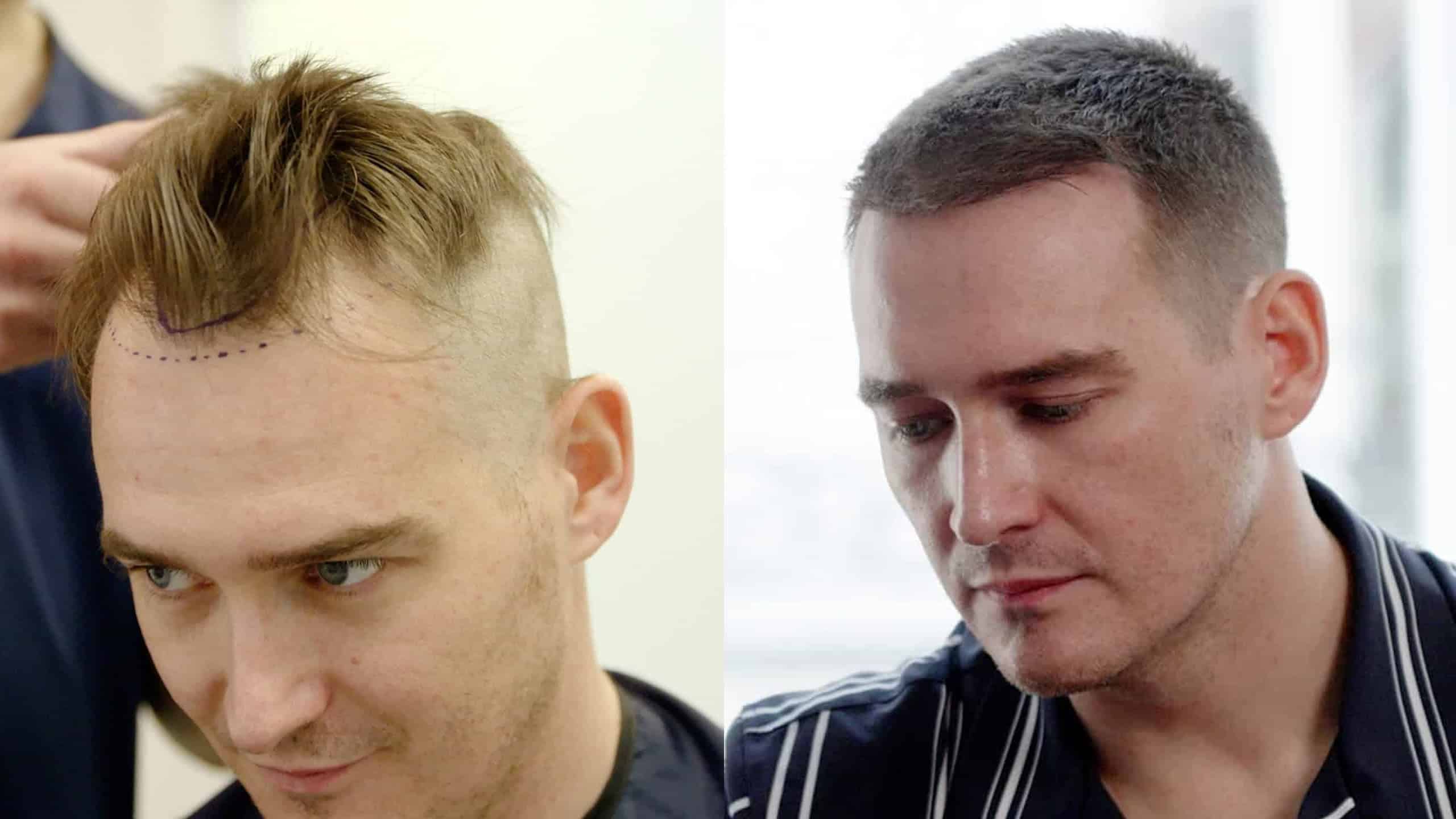
Case Study: Wes
Before:
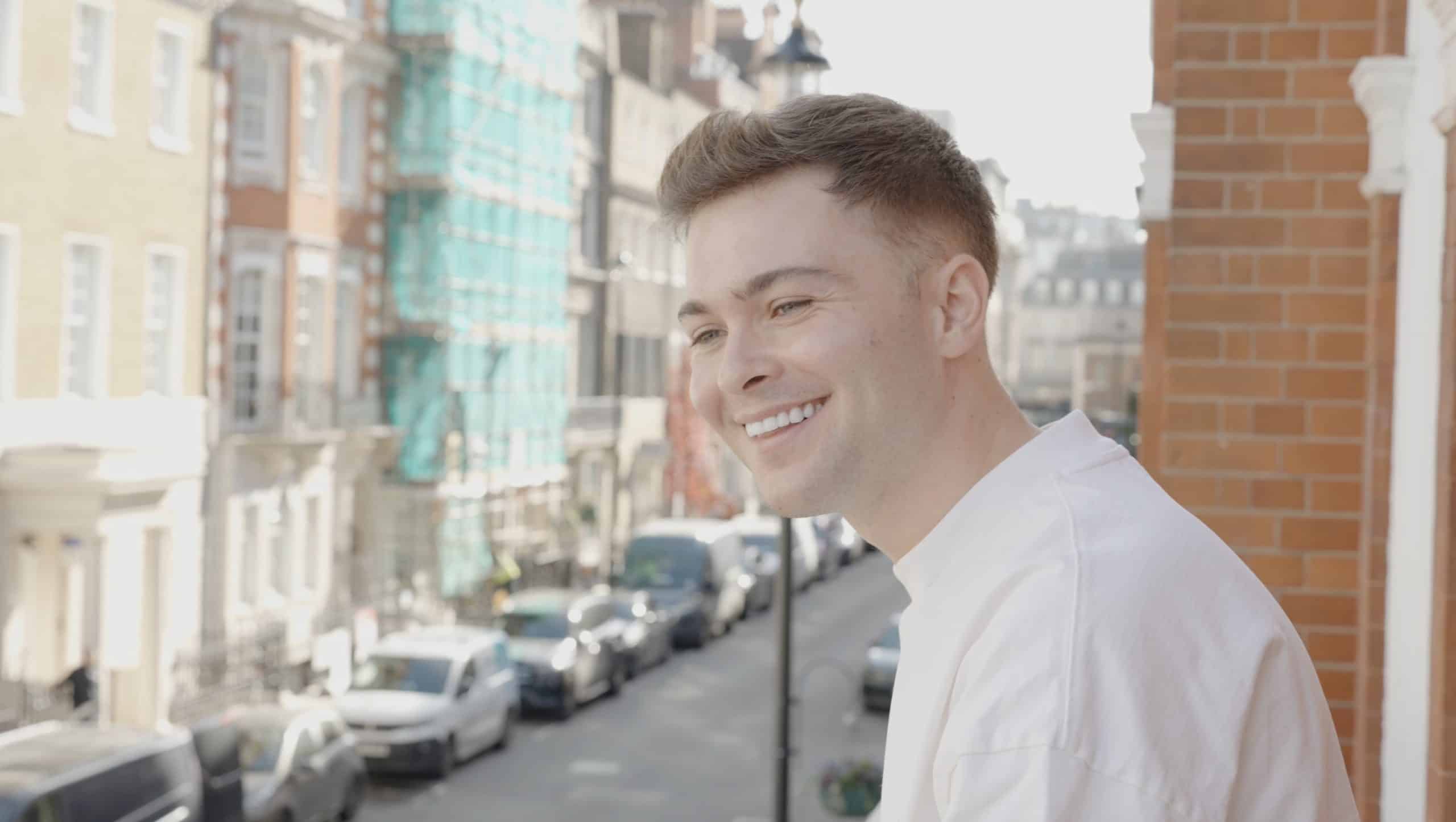
After:
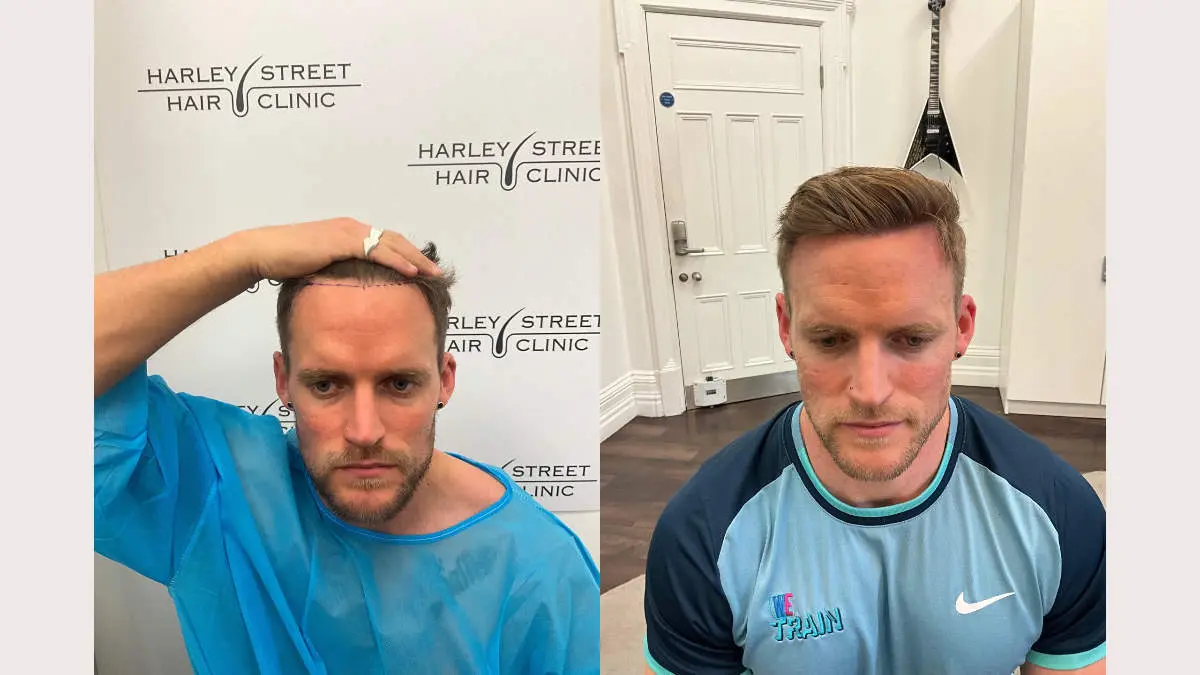
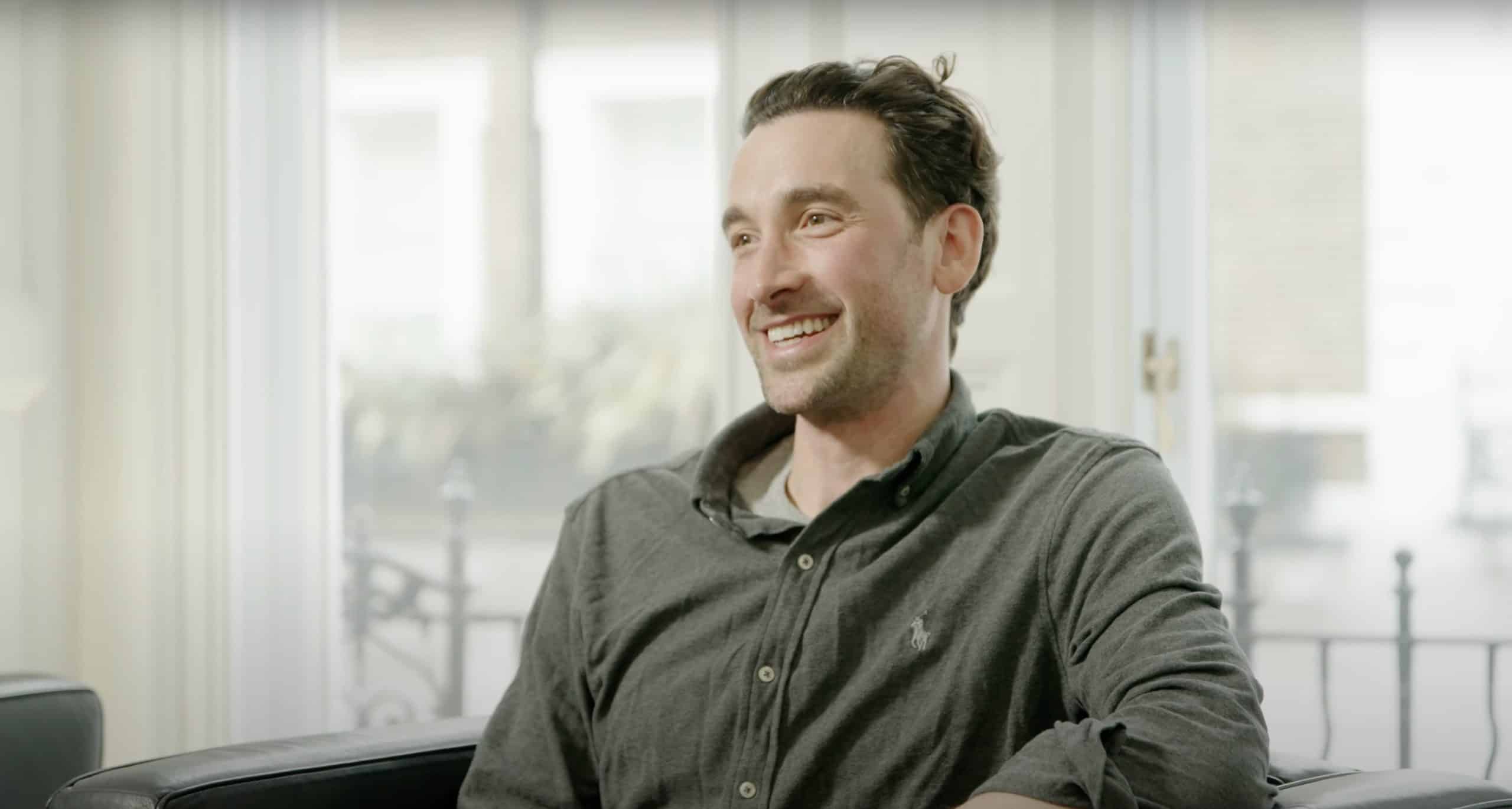
One of our patients, Wes, decided to get an FUE hair transplant after experiencing hair loss in his mid-20s. Speaking about the procedure, he said:
“I actually really enjoyed the procedure… I didn’t feel any pain at all.”
The results actually speak for themselves. Before the surgery, Wes experienced a lot of thinning on the top of his scalp. Following the surgery, he now has thick, dense, dark hair running all along the top of his scalp, letting him enjoy a full head of hair once more. Individual results may vary.
FUE hair transplant FAQs
A FUE (follicular unit extraction) hair transplant removes individual hair follicles from a donor area and implants them into thinning or balding areas. The surgeon extracts each follicle through a tiny punch of around 0.7 to 1.2mm, prepares them, and implants them so they grow naturally in their new location.
FUE extracts single follicular units and implants them at precise angles to recreate natural hair growth patterns. Your surgeon examines the scalp beforehand to plan where to extract and implant, then places each follicle to match your natural direction and density, which is what makes the result look undetectable.
FUE removes individual follicles with minimal scarring and no linear scar. FUT removes a strip of scalp, which is faster for very high graft numbers but leaves a linear scar. We perform FUE.
Good candidates have stable hair loss, sufficient healthy donor hair, and realistic expectations, usually those over 25, once hair loss has settled. Certain conditions, such as scalp or blood disorders or body dysmorphia, can make FUE unsuitable, which is what a consultation is for.
FUE is performed under local anaesthetic and is generally pain-free; the most you will feel during the procedure is light tugging. Afterwards, once the anaesthetic wears off, some people notice mild discomfort similar to a mild sunburn for a few days.
You will usually see the first fine hairs from around 3 to 4 months, thicker growth from 6 months, and full results at 12 to 18 months, when the hair is dense and stable across the recipient area.
Yes. Transplanted follicles are usually taken from the back and sides of the scalp, which stay in the natural growth cycle far longer than the front and crown, so for most people the transplanted hair lasts a lifetime, or well into old age. A FUE transplant redistributes the hair you already have, so it restores the appearance of fullness rather than creating brand-new hair.
The short answer is no, not everyone is suitable for FUE. In our experience most patients are suitable for a hair transplant to some degree. However, a number of factors come into play when it comes to a good hair transplant. You must have enough good donor hair for a successful transplant. We ensure you have enough donor hair to not only give you amazing results, but also ensure you have the option to have further hair transplanted, should you need it in the future.
When performed by an experienced surgeon, FUE scarring is almost invisible to the naked eye. The recipient area shows no visible scarring, and the donor area has only very fine scarring, usually covered by your hair. Unlike older strip methods, a properly performed FUE is almost undetectable.
No, this can be very dangerous because your body will begin to reject the foreign tissue, which, will not only result in a failed transplant but can also cause scarring and infection.
Yes, provided you have enough donor hair. A reputable clinic plans your first transplant with the possibility of a future one in mind, which is why protecting the donor area matters. Over-harvesting in a first procedure, common at lower-quality clinics, can make a second transplant difficult.
Your extraction and the preparation of your recipient area are carried out by one of our experienced GMC-registered surgeons, while a nurse prepares the extracted follicles under a microscope. Placing the follicles at the correct angle and density is where surgical skill shows, and it is what produces a natural, undetectable result.
GMC-registered surgeons · Rated 4.8 on Trustpilot · 7,000+ procedures since 2009
Start your transformation today
Book your consultation online with one of the world’s leading hair replacement specialists and take the first step towards your new look.