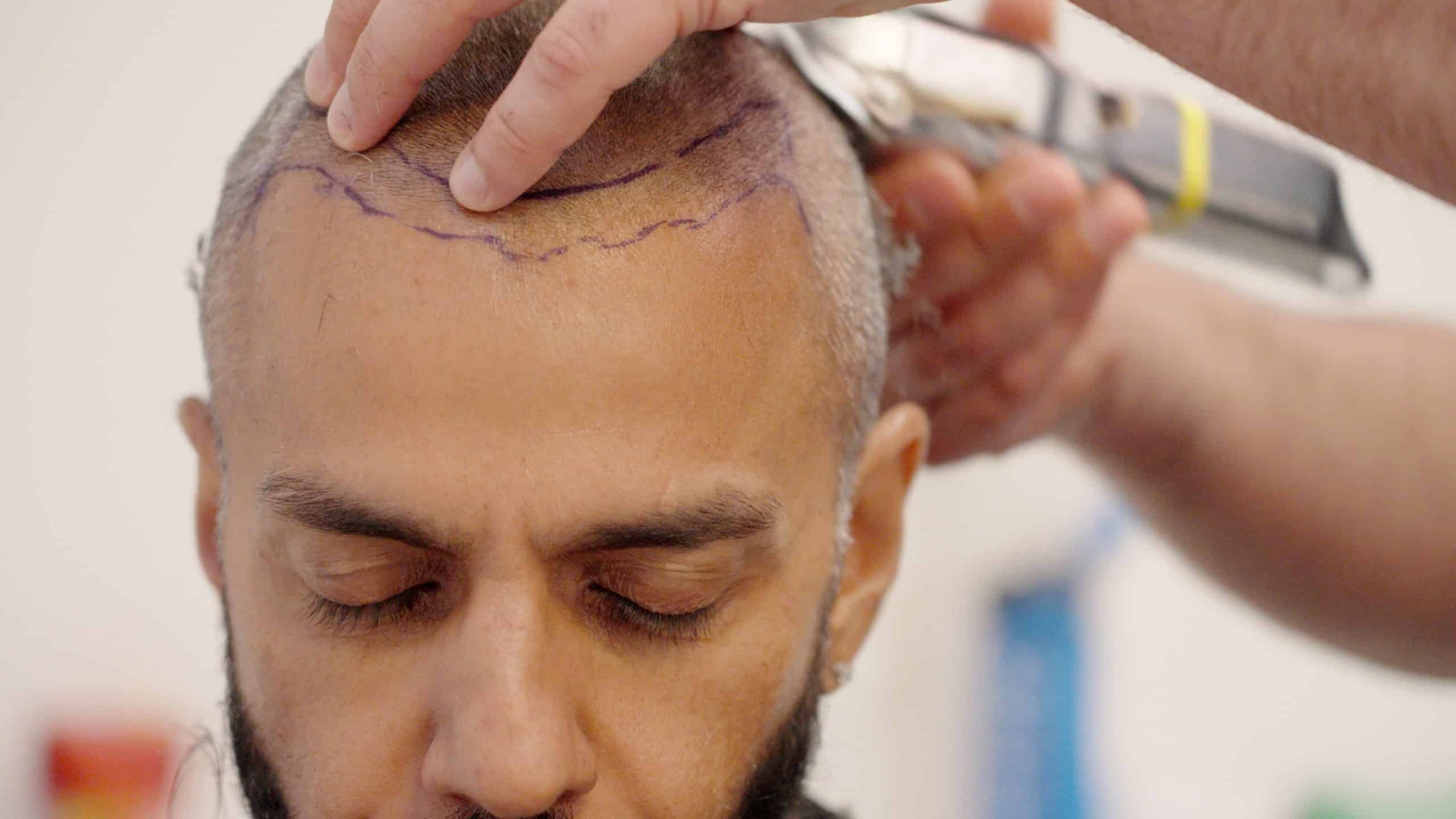
A hair transplant is a major investment of your time, money, and, of course, looks. As such, it makes sense to put real effort into not only finding the right surgeon and clinic but also following proper pre and post-care protocol. A patient who shows up healthy and well-rested gives their new hair grafts the best possible environment to succeed and thrive!
It is also important to keep in mind that hair transplant results vary from patient to patient – often, they depend on the hair the patient has to start with. A good surgeon will work alongside the individual’s hairline and hair loss to deliver a good result uniquely for them, and that’s exactly what our team here at HS Hair Clinic does.
In this guide, learn more about how to get the best hair transplant result. We’ll delve into things like:
- Choosing the right surgeon
- Preparing for a hair transplant
- Post hair transplant care
- The best hair transplant results at HS Hair Clinic
The Foundations: Choosing the Right Surgeon and Clinic
The first and arguably most important decision you need to make for the best hair transplant result is choosing the right surgeon and clinic.
A key thing to look out for here is the transparency of both the surgeon and the clinic. Ask yourself: are the before-and-after results of previous patients easily available to look at? If you go for a consultation with the surgeon, are they honest about the procedure, including the risks and realistic expectations?
A warning sign is any surgeon or clinic that overpromises. Your goal is to choose a surgeon with genuine experience, transparency, qualifications, and goals that match your own.
In particular, look for past patients’ experiences. If you want an idea of what the team at HS Hair Clinic does for patients, check out the video of Andy’s Hair Transplant, which highlights exactly what can be done with the hair that’s left.
GMC Registration and CQC Clinic Accreditation
When looking at potential surgeons to deliver the best hair transplant results, a key credential to look for is GMC registration (if you are looking for surgeons in the UK). GMC registration is a non-negotiable UK regulatory standard for a hair transplant, so any hair surgeon should hold a GMC registration number that you can search for in the public database.
Then, when looking at the clinic, check for Care Quality Commission (CQC) accreditation, as it is a regulatory body that assesses the safety and effectiveness of the clinic’s care.
Surgical Experience and Technique Specialism
It’s very important to consider what kind of surgical experience the surgeon has, particularly in the type of hair transplant you want to get.
If you are considering an FUE hair transplant, for example, you want to be sure that the surgeon has already performed this technique. Look into the number of FUE hair transplants the surgeon has performed, as well as the results given.
A High Graft Survival Rate
It’s always a good idea to look specifically at the graft survival rate. The average is around 85-95%. However, here at Harley Street Hair Clinic, our average is 98%, which means 98% of the grafted hair survives the procedure during surgery. This leads to denser, thicker hair as a result.
How to Evaluate Before-and-After Results
Most good hair transplant surgeons and clinics will offer before-and-after results on their websites.
As a potential patient, you should know how to evaluate these results. Ideally, look for videos from a hair transplant case showing good results with the patient, as this is a key indicator that the transplant has gone right.
You should also look closely at the “after” pictures, looking for things like a good hairline, solid regrowth, and natural-looking results. Good case studies will also show pictures at different stages, such as after 3 months and then again after 12 months.
The Best Hair Transplant Before and After Results at HS Hair Clinic
At Harley Street Hair Clinic, we have a team of world-class surgeons delivering precise results to a range of patients, including men and women. To see exactly what our team can do, here are some of the standout patient results (and you can find more at our patient’s gallery).
The Best Female Hair Transplant Result: Dakota
Dakota opted for FUE hair surgery at Harley Street Hair Clinic to restore some of her hairline. While her hairline wasn’t too far back, she wanted to feel more comfortable in her skin. As a trans woman, her aim was to feel more aligned with who she really is.
The process was quite minimal. 1951 grafts were used with absolute precision to deliver incredibly natural results that brought her hairline ever so slightly forward, giving her thicker, luscious hair.
The Best Male Hair Transplant Result: Amin
Amin decided to go down the hair transplantation route at age 25 due to a slightly receding hairline. He wanted to take back control of his looks and fix this insecurity, and the HS Hair Clinic did just that. With 2294 grafts, Amin’s hairline was restored to complete fullness, giving him a full head of hair.
The Best Eyebrow Transplant Result: Nadia
After spending years feeling insecure about her eyebrows, Nadia decided to take back control of her life and appearance by scheduling an eyebrow transplant at Harley Street Hair Clinic. Previously, she had tried methods like microblading, but this only worsened her brow hair loss.
The team at HS hair clinic took on the delicate task of transplanting hair into the brow area, using absolute precision for a well-defined yet natural look. Nadia was delighted, stating that the procedure completely changed her face and restored her confidence.
The Best Early Hair Transplant Results: Jordan
While the best hair transplant results occur after a full twelve months, it’s worth looking at how much difference even six months can make after the surgery. Take Jordan as an example. This young man entered the clinic with hair loss at his temples, so the HS Hair Clinic team performed a 2015-graft FUE hair transplant surgery to restore the hairline completely. In just six months, his hair had gone from deep hair loss to full temple hair regrowth, showcasing just how amazing results can be when you choose the most skilled surgeon.
What a Good Consultation Must Include
If your goal is the best hair transplant results, the consultation process matters – a lot. Here are the signs of a good consultation vs a not-so-great one.
A good consultation:
- Honest graft estimation: A realistic number of grafts to ensure coverage without overharvesting.
- Discussion of future hair loss: The surgeon will be transparent about potential future hair loss and the steps of managing it. For example, using Finasteride or Minoxidil.
- Talking directly to the surgeon: The sign of a good hair transplant clinic is speaking directly to the surgeon during the consultation stage.
- Transparency: The surgeon will be completely honest about the shedding phase, potential scarring, and how long it takes to see full results (12+ months).
A poor consultation:
- Talking to a technician or salesperson: Instead of speaking directly to a hair transplant surgeon, the consultation takes place with a technician or salesperson.
- Sales tactics: If the consultation involves pushing short-term deals or discounts, that’s a very bad sign. Stay away.
- Guaranteeing 100% success: No surgeon can guarantee this, even the best in the world. So, if a clinic says that it can guarantee a 100% success rate, they aren’t to be trusted. You want transparency and honesty.
- Not taking into account your donor supply: Overselling how much coverage you can expect from the hair transplant. A good surgeon will be realistic and tell you how many grafts you can expect, depending on your donor hair area.
- Not asking about medical history: If the surgeon does not ask about your medical history, that’s a sign that the clinic does not take safety seriously.
How to Prepare Your Body for a Hair Transplant
While a big part of getting the best hair transplant results involves choosing the right clinic and surgeon, there are also some things you can do to ensure the highest possible chance of success. That involves preparing your body for the surgery.
Stop Smoking at Least 4 Weeks Before Surgery
Smoking is a serious enemy when it comes to graft survival rate, as nicotine is a vasoconstrictor, which means it shrinks your blood vessels and minimises oxygen flow to the scalp! Quitting smoking 4 weeks before the procedure will help your blood oxygen levels return to normal.
Avoid Alcohol for 2 Weeks Before Your Hair Procedure
It’s important to avoid alcohol for 2 weeks or more before the transplant, as alcohol acts as a blood thinner, potentially causing more bleeding during the surgery. Plus, alcohol dehydrates the body (including the skin) and can interfere with the effectiveness of the local anaesthetic.
Optimise Your Diet: Key Nutrients for Hair Graft Survival
The right diet can help you boost the chance of graft survival. In particular, eat more protein for keratin (which is what hair is made of), iron for tissue growth/repair, and vitamin C for collagen production. Optimising your diet in this way will fuel the new follicles and provide them with the best environment for success.
Stay Hydrated
Hydration matters a lot before surgery because a hydrated scalp is easier for the surgeon to work on. So, try to drink at least 2 litres of water a day in the weeks leading up to your hair transplant procedure.
Manage Stress Before and After Surgery
High stress levels in the body trigger the release of cortisol, which pushes the hair growth cycle into the resting phase (also known as telogen effluvium). If your body is under high stress, the scalp won’t prioritise new growth. That’s why it’s so important to prioritise stress-reducing lifestyle habits, such as getting enough sleep and exercising regularly.
Are You Taking Any Medications and/or Supplements?
If you are taking any medications or supplements, it is crucial to let your surgeon know, as some can interfere with the success or safety of the surgery. For example, blood thinners can cause more bleeding.
Whether you’re taking a prescribed medication or a herbal supplement, always let your surgeon know beforehand.
Improve Sleep & Rest Quality Before the Procedure
Before the surgery, improve your sleep quality to help you relax and be fully prepared for the day. This is to reduce cortisol (the stress hormone) and manage hair follicle health. So, get at least 7 hours of sleep regularly in the weeks leading up to the surgery. Little things like using white noise machines, having a regular bedtime, and sleeping in a cool, dark room can make a lot of difference.
On the Day: How to Give Your Hair Surgeon the Best Possible Conditions
Getting the best hair transplant results is not all about what to do on the run-up to the surgery – it’s also about what you do on the day. Here is a checklist of good things to do to ensure it all goes smoothly:
- Get a good night of rest (at least 7 hours)
- Wear comfortable clothing with a shirt that buttons or zips up (nothing that you pull over your head)
- Eat a filling, balanced breakfast without any caffeine
- Wash your hair the morning of the procedure, ensuring a fully cleaned scalp
- Plan the journey in advance and arrive early to minimise stress
- Post Hair Surgery: The Aftercare That Protects Your Results
Achieving hair transplant best results also involves following proper hair transplant aftercare. Your goal here is to protect the grafts so they can fuse with your scalp tissue. Your surgeon should give you detailed instructions on what to do at each stage.
The First 14 Days: Graft Protection Phase
Getting the best hair transplant results means protecting the grafts for the first 14 days following the procedure. To do this, you should:
- Sleep in an elevated position
- Wash your hair with a gentle shampoo from day 3
- Avoid touching the scalp or picking at the scabs
- Do not exercise (as it raises blood pressure and causes sweating)
- Avoid sun exposure
Months 1–3: Early Signs of Regrowth Phase
For many patients, months 1 to 3 involve the trickiest part of post hair transplant care. It’s known as the ugly duckling phase – instead of seeing the best results from a hair transplant, patients experience hair shedding. Rest assured, this is completely normal; it’s a typical process that involves the newly transplanted hairs falling out, but the hair follicles in the scalp are still well-planted. In fact, this shedding is actually a sign of things going right! During this stage, you should:
- Avoid direct sun exposure
- Transition to shampoos that soothe the scalp (but still don’t contain harsh chemicals or drying ingredients)
- Eat a high-protein, vitamin-rich diet
Months 3–12: Maximising Growth
Before you can see the hair transplant best results at month 12, you must go through several months where you maximise the growth. This period is the waiting game where patience truly pays off. To ensure the best possible results, you should:
- Use a healing and supportive shampoo – such as one containing biotin or caffeine
- Monitor progress – perhaps with photos in good lighting
- Attend any follow-up consultations
- Maintain a healthy diet
- Take any recommended hair loss medications like finasteride or minoxidil
Then, at month 12, you can see the final results of your hair transplant!
Frequently Asked Questions
At HS Hair Clinic, we aim to make all things related to FUE hair transplants as transparent as possible. Here are some of the most frequently asked questions from prospective patients.
What is the most important factor in getting a good hair transplant result?
The most important factor is choosing an experienced hair transplant surgeon with the surgical skill, experience, and artistic ability to deliver safe surgery with great results. While there are many other factors that go into a good hair transplant result, the hair surgeon is undoubtedly the one most in charge of how it turns out, so investing time and effort in researching and choosing the best surgeon is crucial.
How long before a hair transplant should I stop drinking alcohol?
The minimum length of time you should stop drinking alcohol before a hair transplant is 72 hours, or 3 days. However, the longer, the better. Most surgeons will prefer you to stop drinking alcohol completely for at least 7 days before the surgery. The reason for this is that alcohol thins the blood (increasing bleeding), causes dehydration, and may even interfere with the local anaesthetic used before surgery.
Does diet really affect hair transplant results?
Yes. Diet has a huge impact on the results of a hair transplant. A healthy, nutrient-rich diet ensures the follicles and scalp have enough nutrients to heal properly, supporting scalp survival. On the other hand, a poor diet may weaken the hair follicles, reducing survival rate and even increasing hair loss.
What is the success rate of FUE hair transplants?
The success rate of FUE hair transplants is between 85% and 95%. That means most of the transplanted hair follicles survive the transition and implantation, and can grow hair in the new location. Keep in mind that this success rate is determined after at least a year, when full results show through.
Of course, everyone is different, and there are several factors that go into determining the success rate of FUE hair transplants, including the surgeon’s skill and the individual’s hair quality at the donor site. At Harley Street Hair Clinic, we are proud to say our survival rate is 98%, which goes beyond the average.
When will I see the final results of my hair transplant?
The best hair transplant results are seen after 12 to 18 months.
While you can see some initial growth after month 3, these hairs are usually fine and not very dense. Significant improvement is seen by months 6 and 9, with most people experiencing full regrowth by months 12 or 18.
Related Posts
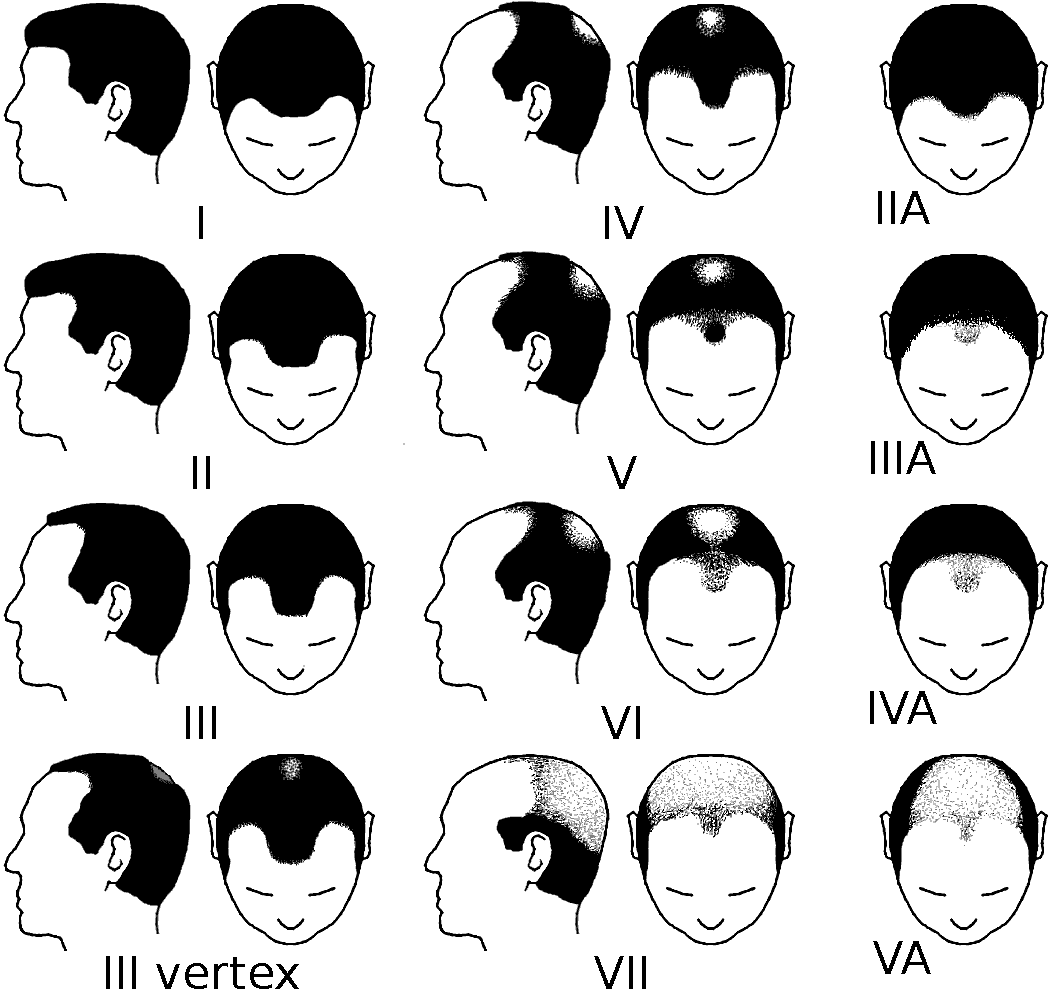
The Norwood Scale: Stages of Male Pattern Baldness
Wondering where you stand? The Norwood scale maps male pattern baldness across seven stages, so you can identify yours and see which options fit best.

How Perimenopause Affects Hair and What You Can Do About It
Your hair tends to change throughout your life. A lot of this is due to…