
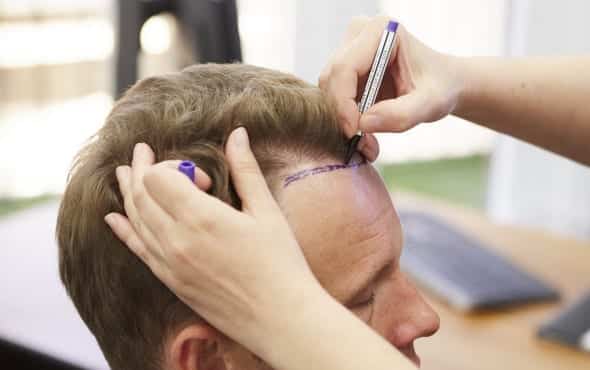
A 500 graft hair transplant is the smallest procedure most reputable clinics will perform in a single session, and for the right candidate it can quietly reshape a hairline or fill an early area of thinning without touching the rest of the scalp. It suits people at the beginning of their hair loss journey, not those looking to reverse years of recession. Understanding what 500 grafts can and cannot do is the difference between a natural, lasting result and a disappointing one.
This guide explains exactly what coverage 500 grafts provide, what the procedure costs in the UK, how the results develop over the months that follow, and who makes a suitable candidate.
What A 500 Graft Hair Transplant Actually Covers
A 500 graft procedure delivers light, targeted coverage over a small area. It is best suited to refining or rebuilding a hairline, softening a receding temple, or filling a widened parting rather than restoring density across a large bald zone.
To understand why, it helps to know what a graft is. A graft is a small piece of tissue containing one or more hair follicles, harvested from the donor area at the back and sides of the scalp where hair is genetically resistant to loss. Each graft is a naturally occurring follicular unit, and according to peer-reviewed hair restoration literature, a single follicular unit contains between one and four hairs, most commonly one to three. So 500 grafts typically translate to somewhere in the region of 1,000 to 1,250 individual hairs, based on the graft-to-hair ratios reported in donor area studies.
That volume covers a genuinely small surface. For context, a natural, full-looking result at the hairline usually calls for a graft density that only a limited area can absorb from 500 units. The table below sets out where 500 grafts tend to work well and where they fall short.
| Area of concern | Suitability for 500 grafts | Notes |
| Hairline refinement or lowering | Strong | Ideal for softening or rebuilding a defined front edge |
| Receding temples or corners | Strong | Small, symmetrical zones respond well |
| Widened parting (female pattern) | Good | Adds density along a narrow line |
| Small scar camouflage | Good | Covers limited areas of scarring |
| Mid-scalp thinning | Limited | Usually needs more grafts for even coverage |
| Crown or vertex balding | Not suitable | The crown demands high graft numbers to look natural |
If your hair loss extends beyond these small zones, a larger procedure will serve you better.
You can get a rough sense of your own requirement using the HS Hair Clinic graft calculator, though a clinical assessment remains the only reliable way to confirm the number.
How 500 Grafts Map To The Norwood Scale
For men, hair loss is measured against the Norwood scale, which runs from stage 1 (no meaningful recession) to stage 7 (extensive baldness across the top of the scalp). A 500 graft transplant generally suits men at the earliest stages, typically Norwood 2, where recession is limited to slight thinning at the temples or a subtly retreating hairline. Beyond that point, the balding area grows faster than 500 grafts can cover convincingly.
Women experiencing early diffuse thinning, measured on the Ludwig scale, may also be candidates when the goal is to reinforce a parting rather than treat widespread loss.
The important caveat is age and progression. Pattern hair loss is ongoing. A 500 graft procedure treats the area you have now, but the surrounding native hair can continue to thin. This is why suitability depends as much on your projected future loss as on your current pattern, and why a surgeon may recommend stabilising treatment alongside surgery.
How Much A 500 Graft Hair Transplant Costs In The UK
Across UK clinics, a small session sits at the lower end of hair transplant pricing, but the numbers vary more than most people expect. For a 500 graft procedure, published prices at established clinics generally fall between £2,000 and £3,500, with many London clinics clustering around £3,000 to £3,500. Cost per graft across the market typically runs from £3 to £7, and most clinics apply a minimum charge for the smallest procedures, since a session still requires a full surgical setup regardless of how few grafts are placed.
Several factors move the final figure within that range.
- The number of grafts. This is the single biggest driver. The more grafts your pattern requires for a natural result, the higher the cost.
- Case complexity. Scar tissue, previous procedures, or unusual patterns can add to the work involved.
- Hair type. Certain textures and growth patterns take more time to place well, which can influence the price.
- Clinic standards and location. Surgeon expertise, regulation, and a prime London setting all factor into cost, and they are also what protect your result.
Against that backdrop, a single-session 500 graft procedure at HS Hair Clinic costs between £2,000 and £3,000. That places us firmly within the credible market range, at its more accessible end, without dropping into the territory where low prices start to signal compromises. The price includes your consultation, the procedure with pre-operative care and local anaesthetic, and post-operative aftercare with follow-up appointments.
For the full breakdown of our pricing, see our hair transplant cost page.
What To Watch Out For On Price
A headline price only means something once you know what sits behind it. When you compare clinics, look past the number itself and check the substance.
- Prices that look too cheap. Procedures priced well below the market range, particularly overseas or technician-led ones, often carry higher risks, less reliable aftercare, and a greater chance of an unnatural result.
- Who actually performs the surgery. In some clinics the work is delegated to technicians rather than a surgeon. This is one of the biggest hidden differences between two similar-looking quotes.
- What the quote includes. Consultation, aftercare, and follow-up reviews should be part of the price, not billed later. Ask what is bundled before you commit.
- Vague or moving figures. A trustworthy clinic gives you a clear quote after assessing your scalp, not a shifting estimate.
Because the whole point of a transplant is to improve how you look and feel, a poor result is the most expensive outcome of all.
If you are comparing providers, our guide to the best hair transplant clinics in London is a good place to see how the leading options stack up.
One further point worth understanding is that a hair transplant is usually a one-off cost rather than an ongoing one. Because a 500 graft session uses only a small fraction of your donor supply, most patients keep the option of further procedures open as their hair loss develops, which we return to below.
How The Procedure Works
A 500 graft transplant is carried out under local anaesthetic as a day case, and the small graft count keeps the session relatively short. Almost all small procedures of this kind use FUE, and understanding the two main techniques helps explain why.
FUE stands for follicular unit extraction. The surgeon uses a fine punch, typically between 0.7 mm and 1.25 mm in diameter, to separate each follicular unit individually from the donor area before it is placed into the recipient site. Because the extractions are tiny and individual, FUE leaves no linear scar and heals quickly, which makes it the natural fit for refining a hairline or filling a small area. It is worth noting that in 2018 the International Society of Hair Restoration Surgery reclassified the technique as follicular unit excision, recognising that each graft is harvested with a small surgical incision rather than simple plucking, so you may see both terms used.
The main alternative, FUT (follicular unit transplantation), removes a thin strip of donor skin from which grafts are then dissected. It can make sense for patients needing a very high number of grafts or with particularly high-density hair, but it leaves a fine linear scar and involves a slightly longer donor recovery. For a procedure as small as 500 grafts, the precision and quick healing of FUE make it the sensible choice.
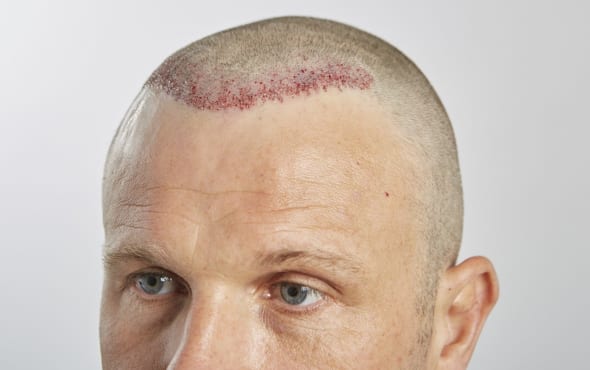
Whichever technique is used, the priority throughout is graft survival. Careful handling of each follicular unit during harvesting, storage, and placement is what protects the survival rates that a good result depends on, which is precisely why the standard of the surgical team matters so much. At HS Hair Clinic, we specialise exclusively in FUE, and every procedure is performed by a GMC-registered surgeon.
Book a consultation to talk through the approach best suited to your hair.
Results Timeline: What To Expect After 500 Grafts
Hair transplant results are gradual, and patience is part of the process. The transplanted follicles go through a predictable cycle before they settle into permanent growth.
In the first few weeks, it is normal for the transplanted hairs, and sometimes surrounding native hairs, to shed. This is called shock loss, and although it can be unsettling, it is an expected part of the follicles entering a resting phase. It does not mean the transplant has failed.
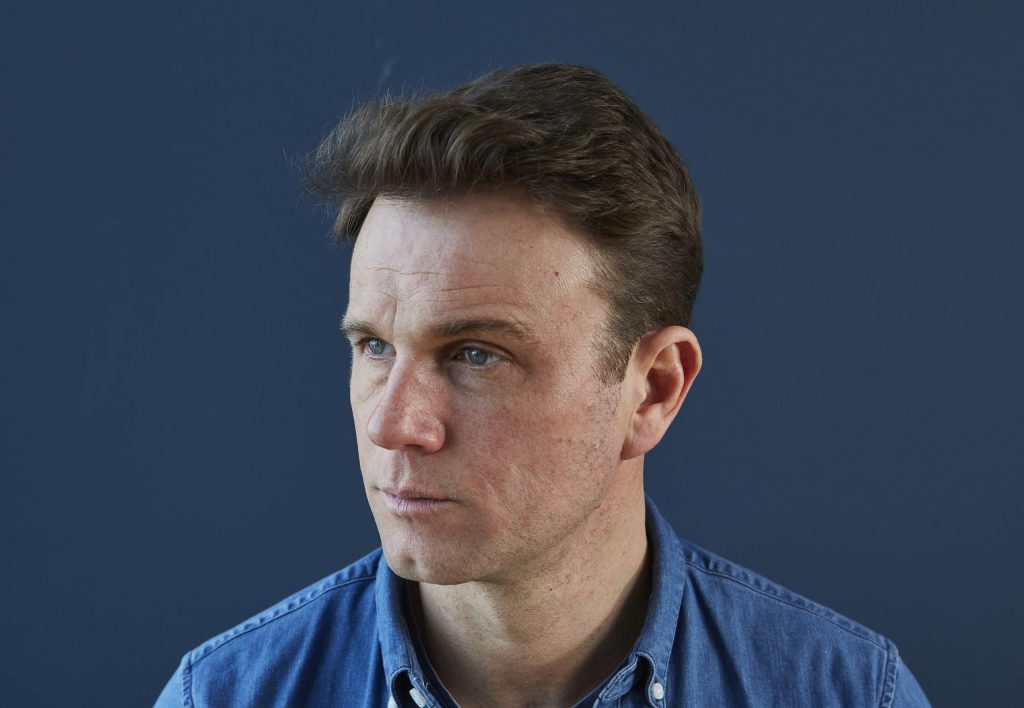
New growth typically begins within the first three months. From there, density builds steadily, and most patients see their full results come through at around 12 months. Because a 500 graft procedure covers a small area, the healing and visible recovery are generally faster than for larger sessions.
| Timeframe | What is happening |
| Weeks 1 to 4 | Healing of donor and recipient sites, possible shock loss and shedding |
| Months 1 to 3 | Follicles rest and recover, early new growth begins to appear |
| Months 3 to 6 | Noticeable thickening and improving coverage |
| Around 12 months | Full results come through |
The transplanted hairs themselves are permanent, because they come from donor areas resistant to pattern loss. What can change is the native hair around them, which is why long-term planning matters.
For practical steps on protecting your outcome, our guide on how to get the best hair transplant results walks through what makes the biggest difference.
Improving And Protecting Your Results
For most patients, surgery works best as part of a wider plan rather than a standalone fix. Because pattern hair loss is progressive, protecting the hair you still have is as important as adding new hair. Several evidence-based options support and prolong results.
- Finasteride (for men) works by reducing DHT, the hormone that drives pattern hair loss, helping to stabilise ongoing thinning. Research indicates that a daily dose taken around the time of surgery can improve the density of existing scalp hair and overall coverage near the transplanted area.
- Minoxidil (for men and women) stimulates follicles and supports growth, and is commonly used to maintain surrounding native hair.
- Platelet-rich plasma (PRP) uses components of your own blood to nourish follicles and support healing, with research suggesting it can help transplanted hairs grow more effectively.
- Low-level laser therapy may support follicle activity and has been shown to increase hair density in people with androgenetic alopecia.
Which combination suits you depends on your pattern, sex, and goals, and should be guided by a clinician rather than self-prescribed.
Can You Have Another Transplant After 500 Grafts?
Yes. One of the practical advantages of a small session is that it preserves the great majority of your donor supply. The donor area holds a finite number of grafts, and a 500 graft procedure draws only a small portion of it, leaving substantial reserves for the future.
If further surgery is possible later depends on your donor density, the size of your donor zone, and how carefully the first procedure was planned and executed. A skilled surgeon extracts evenly and conservatively, precisely so that future options remain open as your hair loss develops. This is one more reason that the standard of your first procedure matters well beyond the immediate result.
The Bottom Line
A 500 graft hair transplant is a small, precise procedure that works beautifully for the right candidate: someone with early, localised hair loss who wants to refine a hairline, treat receding temples, or reinforce a parting. It is not a solution for extensive balding, and it works best alongside treatments that protect your remaining hair. Cost varies widely across the UK, and the safest guide to value is surgical standards and transparency rather than the lowest headline price.
The only way to know for certain if 500 grafts suit your pattern is a professional assessment. Our GMC-registered surgeons can confirm your candidacy, map your likely future loss, and give you an honest graft estimate. Book your consultation with HS Hair Clinic to get started.
Frequently Asked Questions
How many hairs are in 500 grafts?
Roughly 1,000 to 1,250 hairs. Each graft is a follicular unit containing one to four hairs, most commonly one to three, so the exact total depends on your individual follicle grouping.
What coverage does a 500 graft hair transplant give?
Light, targeted coverage over a small area. It suits hairline refinement, receding temples, or a widened parting, but is not enough for mid-scalp or crown restoration.
How much does a 500 graft hair transplant cost in the UK?
At HS Hair Clinic, a 500 graft procedure costs between £2,000 and £3,000. It is the smallest and most affordable session we offer, and the price includes your consultation, the surgery, and aftercare.
How long until I see results from 500 grafts?
Early growth appears within the first three months, with full results coming through at around 12 months.
Is a 500 graft transplant permanent?
The transplanted hairs are permanent because they come from loss-resistant donor areas. Your surrounding native hair can still thin over time, which is why supportive treatment is often recommended.
Does a 500 graft hair transplant leave a scar?
With FUE, there is no linear scar. Harvesting uses tiny individual punches that heal as small, barely visible marks. FUT would leave a fine linear scar in the donor area.
Can women have a 500 graft hair transplant?
Yes. Women with early diffuse thinning or a widening parting can be suitable candidates, though the assessment focuses on the pattern and cause of loss.
Will I need a second procedure later?
Possibly, if your hair loss continues. A 500 graft session uses only a small part of your donor supply, so further procedures usually remain an option if planned carefully.
Can I fly home the same day?
Recovery from such a small procedure is quick, but you should follow your surgeon’s specific aftercare and travel guidance, particularly around protecting the grafts in the first days.
Is a hair transplant available on the NHS?
No. The NHS classifies hair transplants for pattern baldness as cosmetic surgery and does not fund them, so treatment is carried out privately.
Related Posts
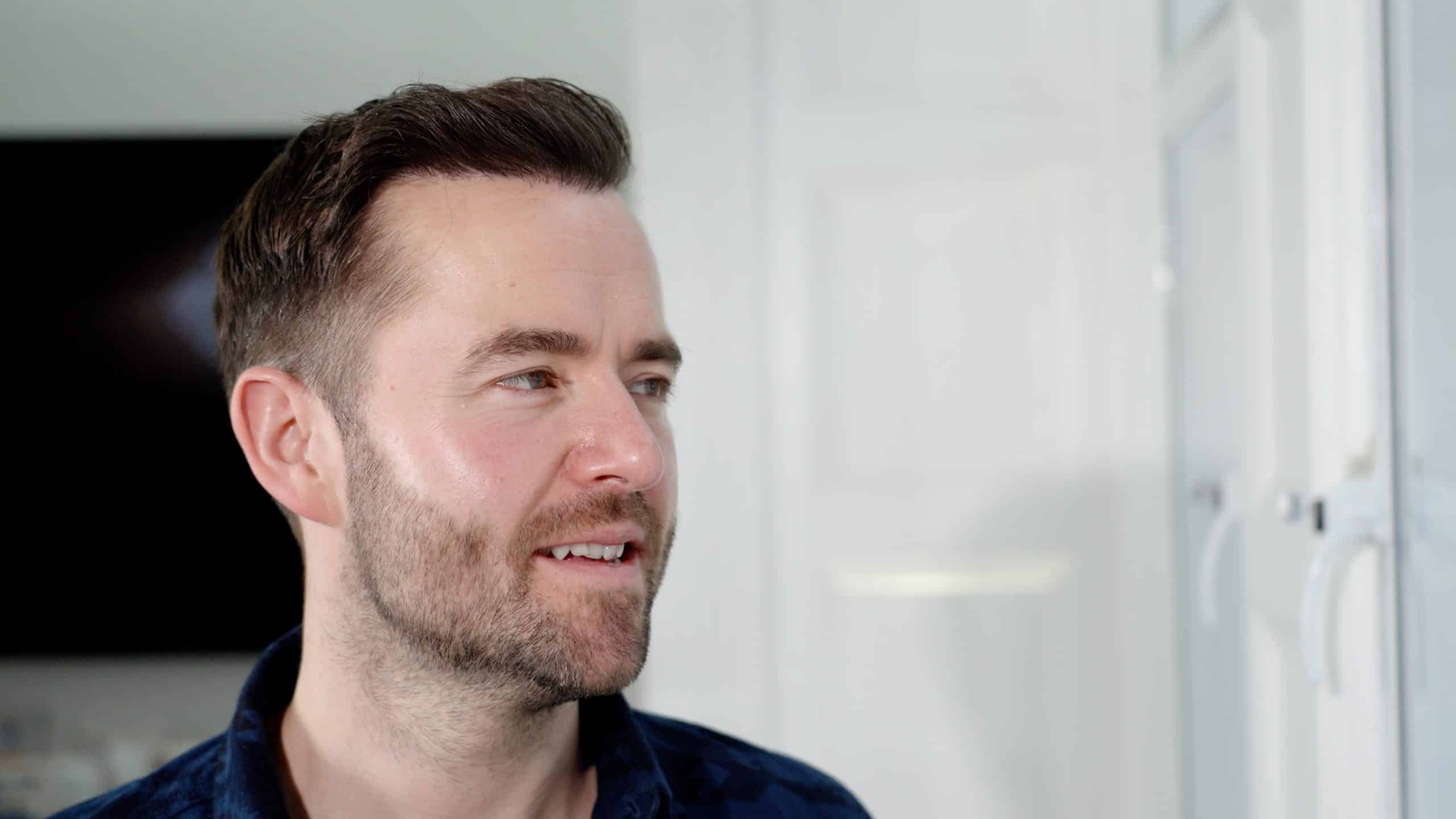
Hair Transplant After 1 Month: Shock Loss Explained
Shedding at its peak? Here is why hair transplant after 1 month looks thinner than before, what shock loss means, and when new growth truly begins.
Hair Transplant After 2 Weeks: Healing, Shedding & Care
Scabs gone, grafts secure, shedding starting. Here’s what a hair transplant after 2 weeks looks like, plus what you can and cannot do just yet.