
We love it when a patient arrives with a list of questions. It tells us they are taking the decision seriously, and a well-prepared patient almost always ends up happier with their result, because they understand what they are signing up for and why. A consultation is a two-way assessment. We are working out if a transplant is right for you, and you should be working out if the clinic is right for you. The best way to do that is to ask.
To help you prepare, we have put together the questions we think matter most, along with the kind of answers a good clinic should give. Some of these hair transplant consultation questions are the obvious ones about cost and results. Others are the quieter, more important ones that patients often do not think to ask, and those are frequently the ones that separate a safe, excellent outcome from a disappointing one. Bring this list with you, and do not be shy about asking every single item on it.
1. Who Will Perform My Surgery?
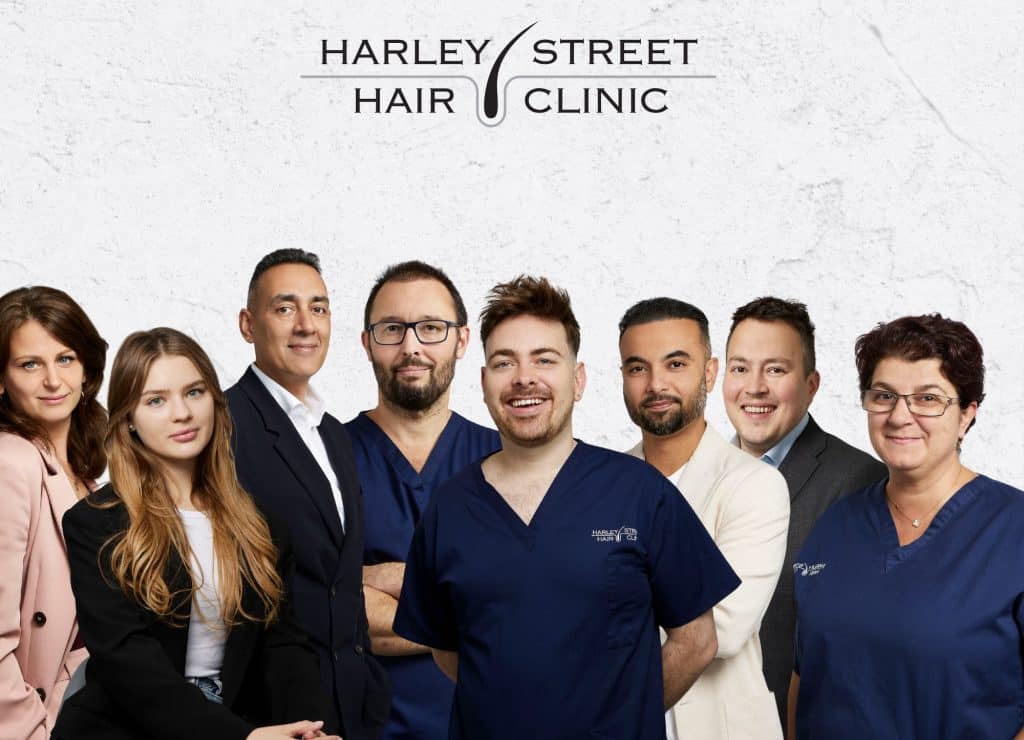
This is the single most important question, and the one most people forget to ask. In some clinics the surgeon you meet in the consultation is not the person carrying out the extraction and implantation, that work is delegated to technicians. The skill of whoever physically performs the procedure is the biggest factor in your result, so you want a clear, direct answer. Knowing exactly who will treat you matters, and a good clinic is open about its team and the people behind the work. Ask who does each part of the surgery, and be cautious of any clinic that is vague about it.
2. What Are Your Qualifications And Accreditations?
You are entitled to know exactly who is treating you. Ask if the surgeon is registered with the General Medical Council, what their qualifications are, and what professional bodies they belong to. A reputable clinic will share this openly and may point you to where you can verify it independently. This is a medical procedure, not a haircut, and the credentials of the person doing it matter enormously.
3. Can I See Your Before And After Photos, And Speak To Past Patients?
Good clinics are proud of their work and happy to show it. Ask to see plenty of before and after photographs, ideally of patients with a similar hair type and pattern of loss to your own, and taken a year or more after surgery, which is when the true result is visible. If you can, ask if you can read written testimonials or even speak to former patients. Real, consistent evidence of natural results is worth far more than a glossy brochure.
4. Am I A Good Candidate, And Are My Expectations Realistic?
A trustworthy surgeon will give you an honest answer here, even when it is not the one you want. Not everyone is a good candidate, and a transplant cannot give a twenty-year-old the hairline they had at sixteen or restore a full head of hair from a limited donor. Ask directly if you are suitable, and if what you are hoping for is achievable with your hair. A clinic willing to manage your expectations, or even to tell you that now is not the right time, is one that has your interests at heart.
5. How Many Grafts Do I Need, And Is My Donor Area Sufficient?
The number of grafts depends on the area you want covered and the density you are aiming for, and it has to be balanced against how much your donor area at the back and sides can safely supply. Ask for a realistic graft number for your case, and be wary of anyone quoting an impressively high figure before they have properly examined your scalp. Pushing a donor too hard to hit a number causes lasting damage, as we explain in our piece on what happens when a donor area is over-harvested, so you want a surgeon who talks about preserving your donor, not maxing it out.
6. Has My Hair Loss Stabilised, And Will I Need Future Procedures?
Hair loss is progressive, and a transplant does not stop it. If your loss is still advancing, the hair around your transplanted area may continue to thin, which can leave gaps or mean you need further work later. Ask the surgeon to assess if your loss has stabilised, and to be honest about the likelihood of needing another procedure in the future. This is also why they may recommend medication, which brings us to the next question.
7. Should I Be Taking Hair Loss Medication As Well?
For many patients, especially younger ones, medication such as finasteride or minoxidil is recommended alongside a transplant to slow ongoing loss and protect the hair you still have. Ask if it would help in your case, when to start it, and if the clinic can prescribe and manage it. A transplant restores hair to one area, but protecting the rest of your hair is a separate and important part of a sensible long-term plan.
8. Which Technique Do You Use, And Why?
Ask which method the clinic uses, FUE, FUT, or DHI, and why they recommend it for you specifically. There is no single best technique for everyone, so the answer should be about your case, not a one-size-fits-all pitch, and our guide comparing the main transplant methods is a useful primer before you go in. A good surgeon will explain the trade-offs plainly, including scarring, recovery, and how you will be able to wear your hair afterwards.
9. What Is The Full Cost, And Is Anything Extra?
Get complete clarity on price before you commit. Ask if the quote is the final figure, what it includes, and if there are any additional costs for consultations, medication, aftercare products, or follow-up. A transparent clinic will lay this out clearly, and it helps to understand how hair transplant pricing works before you sit down. Be particularly careful with quotes that seem surprisingly low, since the saving sometimes reflects a corner being cut somewhere that matters.
10. What Happens Afterwards, And What If Something Goes Wrong?
The surgery is only part of the journey. Ask what the recovery involves, what aftercare you will need to follow, and how long until you see results, which is typically around twelve months for the full outcome. Just as importantly, ask what support you will have afterwards and what happens in the rare event that something does not go to plan. Knowing there are real follow-up appointments and accountable people to turn to is part of what you are paying for, and it is one of the things our team is happy to talk through before you decide anything.
The Questions Patients Forget To Ask
If you take nothing else from this, remember that the questions people skip are often the ones that matter most. Almost everyone asks about cost and how long it takes. Far fewer ask who is really holding the instruments, if the surgeon is properly qualified, if their own expectations are realistic, and what the plan is for their hair in ten years rather than one. Those are the questions that reveal the true quality and honesty of a clinic, and they are exactly the ones a good clinic will welcome.
A consultation should leave you feeling informed and unpressured, not rushed toward a booking. If a clinic answers everything openly, manages your expectations openly, and never makes you feel like a sale, that tells you a great deal in itself. If you would like a consultation exactly like that, our team is always happy to answer every question you bring.
Related Posts

Scarring Alopecia: Causes & Treatment Options
Hair loss with redness or scaling? Learn what causes scarring alopecia, how treatment protects the hair you have, and when a transplant can work.
Gender-Affirming Hair Restoration: An Integrated Surgical Approach
Rounding a masculine hairline takes careful design. Learn how gender-affirming hair restoration uses fine FUE grafts for a soft, natural result.