
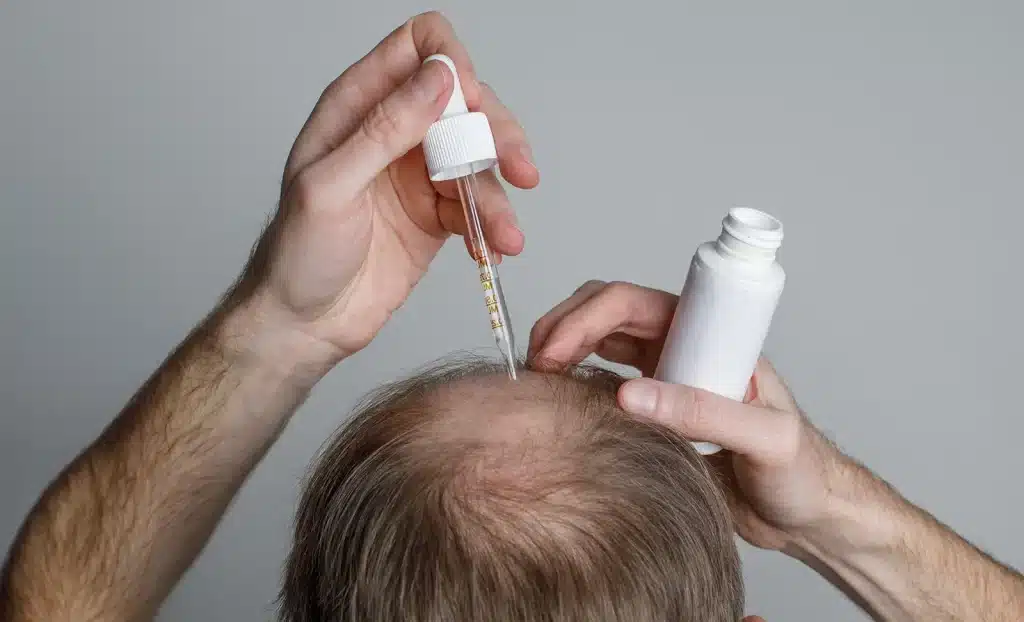
In our clinic we prescribe minoxidil often, and the question that comes up more than any other is not if it works, but what it might do along the way. It is a fair thing to ask of any medication. The reassuring reality is that most people tolerate minoxidil well, and the minoxidil side effects that do occur are usually mild, predictable, and manageable once you understand them. The problems tend to come not from the drug itself but from people not knowing what to expect, and stopping in a panic at the first sign of something.
So let me walk you through it as I would a patient sitting across from me. This guide covers the minoxidil side effects I see most, why they happen, and, crucially, how to manage each one so that a minor, temporary issue does not cost you a treatment that could have worked. I will be honest about the rare serious risks too, because you deserve the full picture.
First, A Sense Of Proportion
Minoxidil has been used for hair loss since the late 1980s and has a well-established safety profile. In my experience the majority of patients have either no side effects at all or something so minor it never interferes with treatment. When effects do appear, they are usually cosmetic or local, not dangerous, and most settle either on their own or with a small adjustment.
It also matters which form you are using. Topical minoxidil, the foam or liquid you apply to the scalp, and low-dose oral minoxidil, the tablet, have overlapping but slightly different side-effect profiles, and I will flag where they differ.
The Common Side Effects, And How I Manage Them
These are the ones I see in practice, roughly in order of how often they come up.
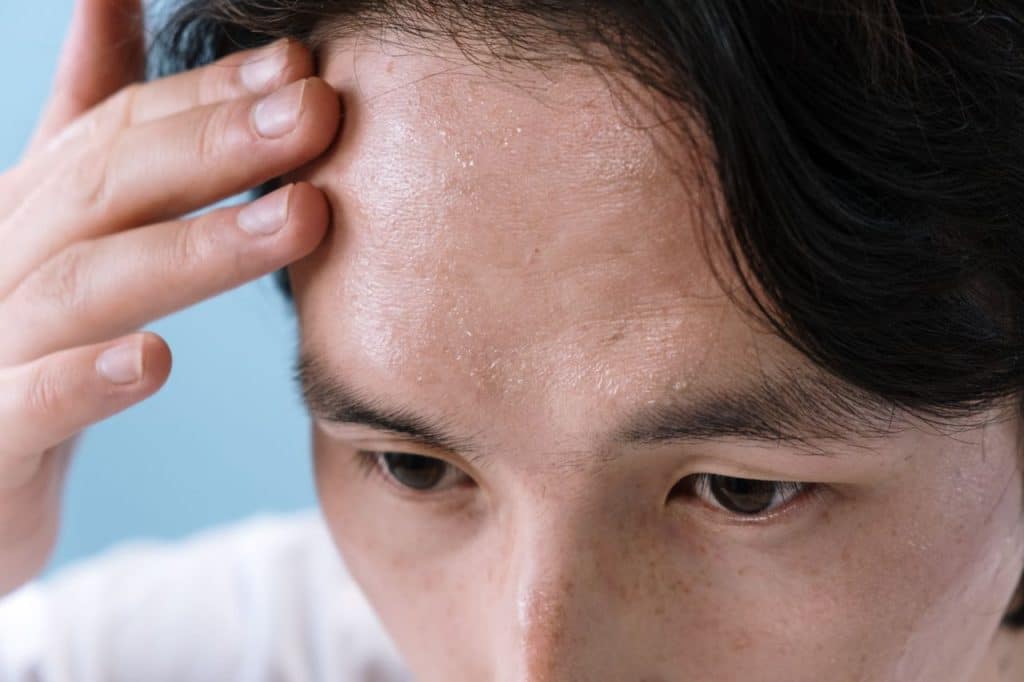
Scalp irritation, itching, and dryness. This is the most common complaint with the topical form, reported by well over one in ten users in the clinical literature. What surprises most people is that in the great majority of cases, the culprit is not the minoxidil but the propylene glycol, a solvent in the older liquid formulations. My first move is almost always to switch the patient from the liquid to the foam, which is propylene-glycol-free, and the irritation usually resolves. Applying to a dry scalp and letting it absorb fully also helps.
Unwanted facial or body hair. Because minoxidil grows hair, it can occasionally grow it where you did not intend, typically fine hair on the cheeks, forehead, or hands. It is one of the more common reasons people abandon treatment, yet it is very manageable. It happens most when the product is applied too heavily or transferred by hand, so washing your hands after every application and not over-applying goes a long way. Where it does occur, it is reversible on stopping, and in the meantime routine measures like shaving or threading handle it easily.
Increased shedding when you start. This one alarms people more than any other, because you start a hair treatment and your hair appears to fall out. I always warn patients in advance so it does not frighten them. This shedding is temporary and it is a sign the medication is working, pushing resting hairs out so new growth can take their place. It typically settles within a couple of months. My advice is simple and firm, do not stop, this is the treatment doing exactly what it should.
Headache or light-headedness. Less common, and more associated with the oral form, this reflects minoxidil’s original life as a blood pressure drug. Mild and occasional headache can be managed conventionally, but anything persistent should be reported to your prescriber.
A Patient Example
A patient of mine, a man in his thirties, came back after three weeks convinced minoxidil was ruining his scalp, red, itchy, and flaking. He was ready to quit. Rather than stop, we simply switched him from the liquid to the foam and adjusted how he was applying it. Within two weeks the irritation was gone, and he stayed on treatment. Had he abandoned it, as many do at that point, he would have lost the result he went on to get. That case is typical, most side effects are a reason to adjust, not to give up.
The Oral Form: What Is Different
Low-dose oral minoxidil has become a valuable option, particularly for people who cannot tolerate the topical version or find the routine difficult. Its side-effect profile is a little different, and it is why we monitor it properly.
The most common effect is hypertrichosis, that excess hair growth, which is reported more often with the tablet than the foam and is dose-related. Less commonly, some patients notice fluid retention, such as mild ankle swelling, or a slightly faster heartbeat. These are usually mild at the low doses used for hair loss, which are a fraction of the old blood-pressure doses. This is exactly why, when we prescribe oral minoxidil, we take a proper history and monitor pulse and blood pressure, rather than handing it out blind. Prescribed and supervised correctly, it is a well-tolerated treatment, and you can read more about how we use it on our hair loss medications page.
The Serious Risks, In Plain Terms
I would not be doing my job if I did not address the rare but real risks. Serious cardiovascular effects, a racing heart, chest discomfort, dizziness, significant fluid retention, are very uncommon at proper hair-loss doses, and with the topical form systemic absorption is low for most people. Where these problems appear in the medical literature, they are overwhelmingly associated with ingestion or excessive dosing rather than normal use. The practical lessons are straightforward. Never exceed your prescribed dose, keep the product well away from children, and if you have existing heart disease or blood pressure problems, tell your doctor before you start.
A true allergic reaction, as opposed to simple irritation, is also possible though uncommon, and would show as significant swelling, a spreading rash, or facial puffiness. That is a stop-and-seek-advice situation, not a manage-at-home one.
When To Stop And Speak To Someone
Most side effects, as I have said, are a cue to adjust rather than quit. But a few warrant stopping and contacting a professional. Speak to your prescriber or doctor if you experience any of the following.
- Significant facial swelling, a spreading rash, or difficulty breathing, which point to an allergic reaction.
- Chest pain, a persistently racing or irregular heartbeat, or fainting.
- Rapid, unexplained weight gain or swelling in the legs, which can signal fluid retention.
- Scalp irritation that is severe or does not settle after switching formulation.
Short of these, the common effects are usually a conversation away from being solved. That conversation is the point, self-managing a medication in the dark is how people end up quitting something that was working. If something has come up and you are not sure what to do about it, get in touch with us and we can talk it through.
The Bottom Line
Minoxidil is, for most people, a safe and well-tolerated treatment, and the side effects it can cause are usually minor, temporary, and fixable without abandoning the drug. The difference between success and a wasted attempt is very often just knowing what to expect and having someone to adjust the plan when something crops up. That is what a proper consultation gives you.
If you are weighing up minoxidil and want to know how well it performs before you think about side effects, our guide on how minoxidil works and what results to expect covers the evidence in detail. And if you would like a personal assessment and a treatment plan that fits you, rather than a one-size-fits-all approach, our team is here to help you decide.
Frequently Asked Questions
What are the most common side effects of minoxidil?
The most common are scalp irritation, itching or dryness, unwanted facial or body hair, and a temporary increase in shedding when you start. Most are mild, and the scalp irritation is often caused by an ingredient in the liquid form rather than the minoxidil itself.
Why is minoxidil making my hair fall out?
An increase in shedding in the first weeks is expected and temporary. Minoxidil pushes resting hairs out to make way for new growth, so the shedding is a sign it is working. It usually settles within a couple of months, and stopping is the wrong response.
How do I stop minoxidil from irritating my scalp?
The irritation is often caused by propylene glycol in the liquid formulation. Switching to the foam, which does not contain it, resolves it for most people. Applying to a dry scalp and letting it absorb also helps. Persistent irritation is worth a conversation with your prescriber.
Does minoxidil cause facial hair growth?
It can, usually fine hair on the face or hands, most often when it is over-applied or transferred by hand. Washing your hands after each application prevents most of it, it is reversible on stopping, and it can be managed cosmetically in the meantime.
Is oral minoxidil more dangerous than topical?
Not dangerous, but its side effects differ. The tablet more often causes excess hair growth and, less commonly, fluid retention or a faster heartbeat. This is why we monitor pulse and blood pressure when prescribing it. At the low doses used for hair loss, it is generally well tolerated.
Are minoxidil side effects permanent?
Almost always no. The common effects, shedding, unwanted hair, and irritation, are reversible and settle either during treatment or after stopping. Serious effects are rare and are mostly linked to misuse or very high doses.
When should I stop taking minoxidil?
Stop and seek advice if you have significant facial swelling, a spreading rash, chest pain, an irregular or racing heartbeat, fainting, or sudden swelling and weight gain. For milder issues, it is usually better to adjust the approach with your prescriber than to stop outright.
Related Posts

Does Minoxidil Work? Results & Evidence
Thinning at the crown and wondering does minoxidil work? See the clinical evidence, realistic timelines, and the factors that shape your results.

Finasteride Side Effects: Risks, Rates and Reversibility
Worried after reading online? Here is the evidence on finasteride side effects: how common each one is, how serious, and when to speak to a doctor.