

There is a definite link between irregular periods and hair loss. Often, a woman experiences irregular periods because of hormonal changes, and this can sometimes affect the hair growth cycle. However, it should be noted that not everyone who experiences irregular periods will also lose their hair!
- Is There a Link Between Irregular Periods and Hair Loss? Yes, many women experience both hair loss and irregular periods at the same time, and this is often due to stress and hormonal changes. Both of these things can cause a person’s periods to become more irregular, as well as disrupt the hair growth cycle.
- Do irregular Periods Always Mean Hair Loss? No, not necessarily. While there is a link between irregular periods and hair loss, some people can experience irregular periods and not hair loss.
- What Causes Irregular Periods? Irregular periods are often caused by changing hormones, which can occur for several reasons, including puberty, pregnancy, perimenopause, and menopause. It can also be caused by conditions like PCOS or stress.
- Can PCOS Cause Hair Loss? Yes, a common symptom of PCOS is hair loss due to the increased presence of male hormones (androgens). One example is dihydrotestosterone (DHT), a male hormone that causes male pattern baldness in men.
Our body will tell us when we feel unwell or if something is going on that needs attention. This is why many illnesses, disorders and conditions come with a range of symptoms that pinpoint that you need to get some expert help.
One symptom that seems to come up time and time again for various health issues is hair loss. This is particularly alarming for women, who may be concerned about going bald. Along with losing hair, those women who suffer from hair loss are also likely to have issues with irregular periods too.
But, how are these linked, and what can you do to help yourself?
The link between irregular periods and hair loss
Whilst both of these things are separate and can occur without one another; there is a definite link between irregular periods and hair loss.
The first one is stress; how we feel and what is happening in our lives can have a real impact on our health. For our hair, it can disrupt the hair growth cycle that we rely on to replace strands that have fallen out (as is usual for hair to do). It also can cause inflammation in the scalp, which can damage the hair that has already grown.
When it comes to your period cycle, stress can cause the hormones that our body releases to become mixed up, which can mean that the hormones you need to kickstart and regulate your periods can be disrupted.
You may also find that problems with your thyroid could be to blame. This is because the thyroid will regulate your metabolism, which can impact your hair growth cycle—leading to hair loss in the longer term.
Could it be PCOS?
There are a number of different reasons women can experience hair loss. One common diagnosis happens when you experience irregular periods and hair loss is PCOS or Polycystic Ovary Syndrome. This particular syndrome is caused when your ovaries cannot release eggs from the underdeveloped sacs within which the eggs will develop. Because the egg is not released, ovulation does not occur, which means that you are likely to see some of the main symptoms of this syndrome. Along with this, your body can also release male hormones at excessive levels, which can, in turn, increase the chances of suffering from hair loss and irregular periods.
No matter what you think could be causing your hair loss, your irregular periods, or anything else that you may be struggling with. The important thing to do is to seek advice on your problems. Not only will it identify the problem, but it can also help you find ways to cope with and help to reduce them too.
The route that you take to helping with your hair loss will predominantly relate to your condition and how it impacts the rest of your body. However, the important thing to do is to take your time, think about what will work best for you, and what will ensure that you feel the best about yourself and the way you look.
If you are experiencing hair loss and would like more information from our hair loss experts on possible hair loss treatment options, please contact us today for a no obligation consultation.
Related Posts
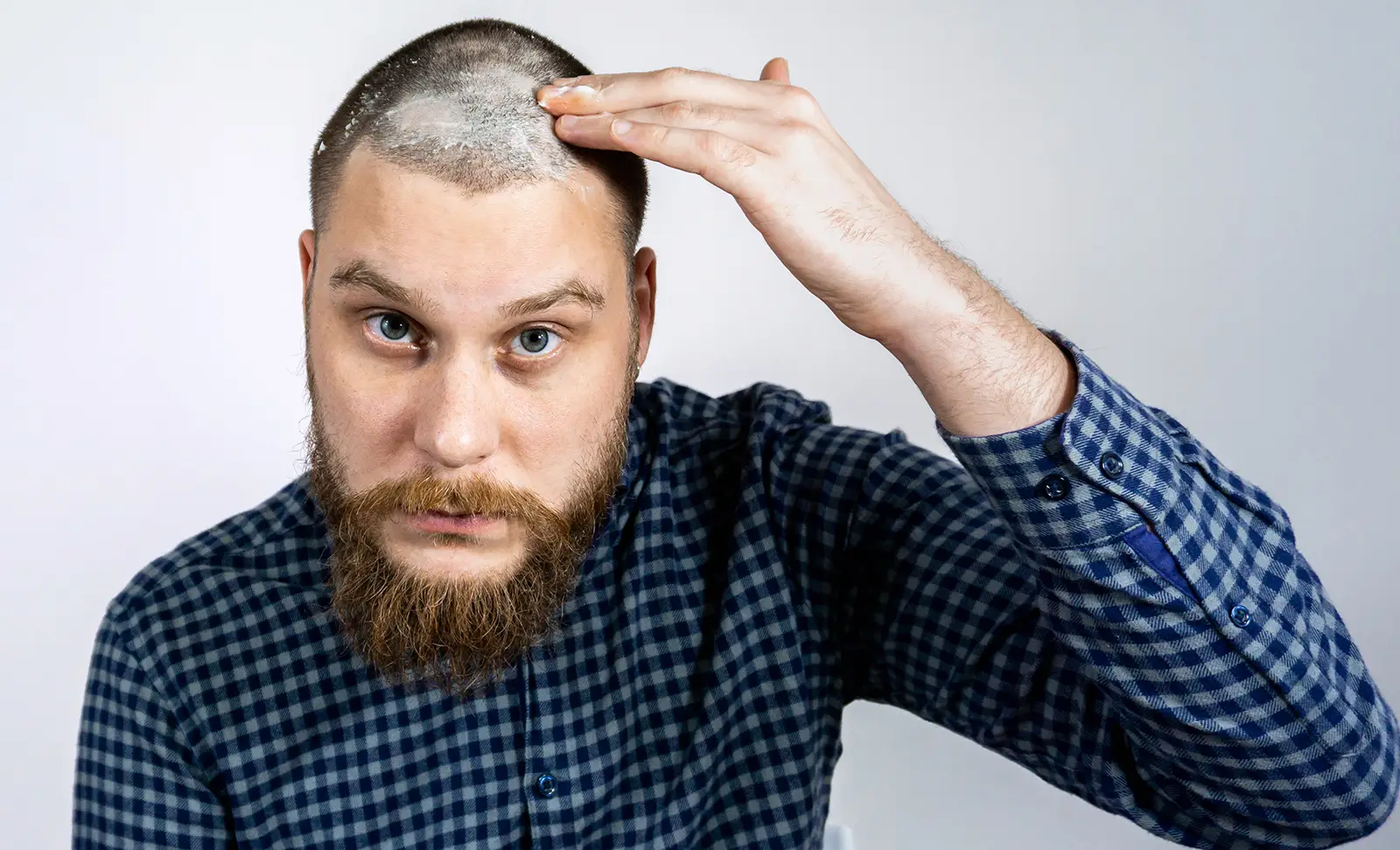
Alopecia Areata: Causes, Diagnosis & Treatment
Sudden round bald patches? Learn what causes alopecia areata, how it is diagnosed with trichoscopy, and which treatments help hair grow back.
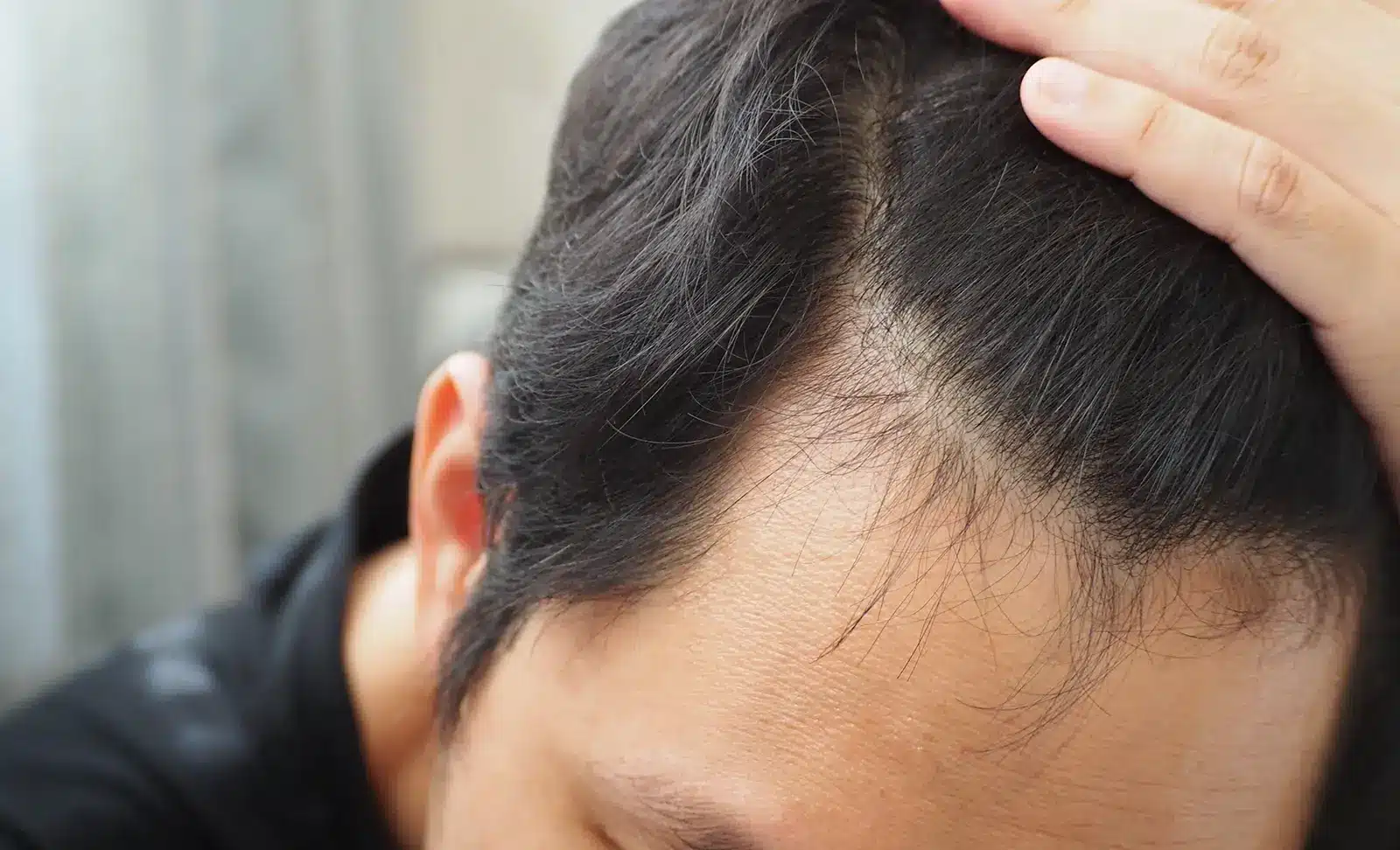
Types of Alopecia: Causes, Symptoms & Treatments
Pattern baldness, alopecia areata or telogen effluvium? Learn the main types of alopecia, which ones regrow, and when a hair transplant can help.