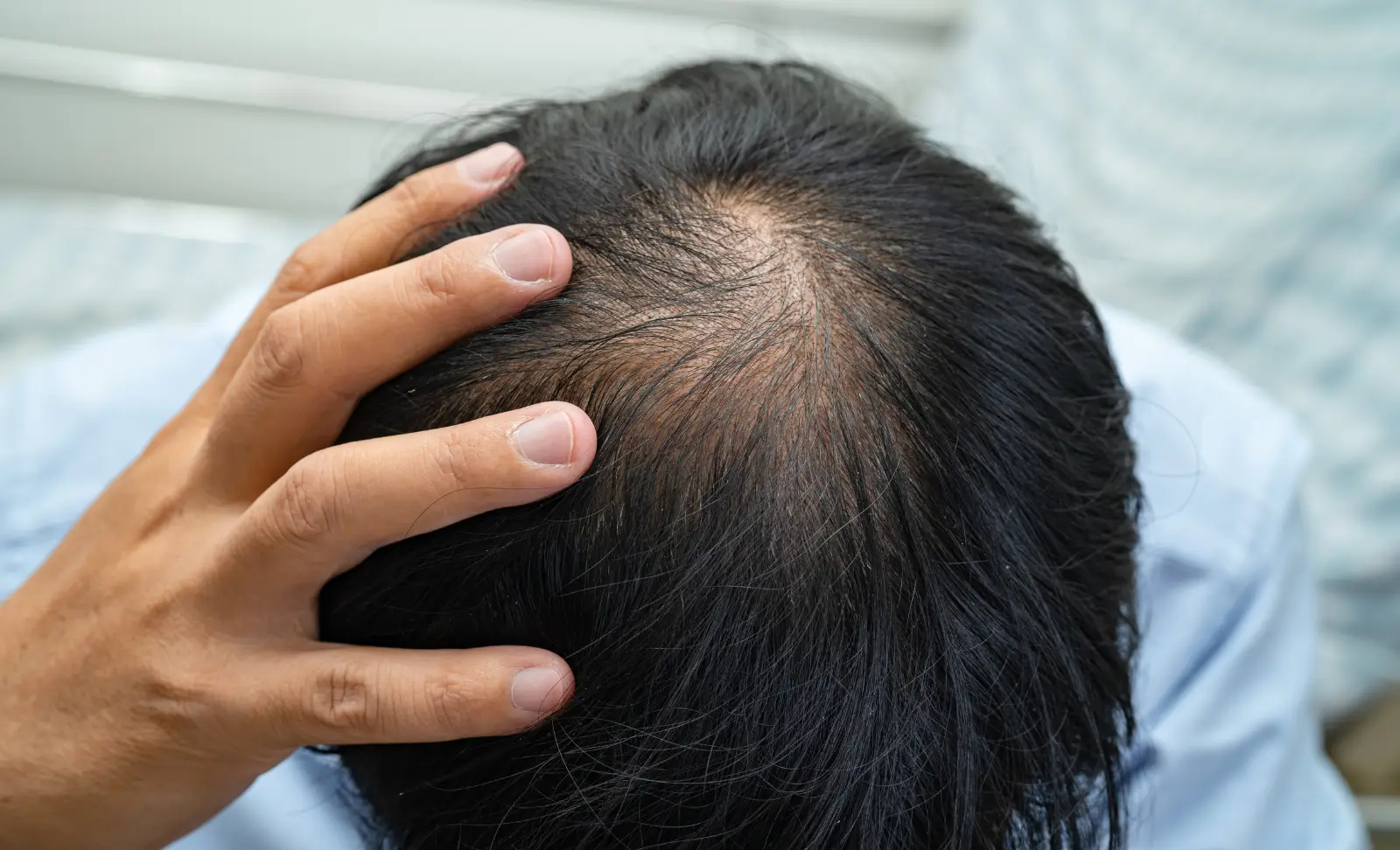
Male pattern baldness is an extremely common cause of hair loss, affecting up to 50% of men by the time they reach 50 years old. As such, many men seek out hair restoration solutions, of which there are many.
In this guide, we will rank and review the most effective treatments for male hair loss available in the UK, including how each one works, who it is for, and the expected results.
Ranked: The Most Effective Hair Loss Treatments for Men
Short intro explaining criteria for ranking (effectiveness, permanence, evidence, suitability for male pattern baldness).
Every hair loss treatment for men will be ranked based on:
- Effectiveness
- Permanence
- Evidence
- Suitability for male pattern baldness
Hopefully, it will point you in the direction of the best hair loss treatments for men, specifically for you and your hair goals.
1. FUE Hair Transplant for Men (Most Effective Long-Term Solution)
Number one is undoubtedly the FUE hair transplant. It ranks number one for several reasons: it’s permanent, there is a high success rate, the surgery is minimally invasive, and it’s especially effective for male pattern baldness.
FUE works by extracting hair follicles from a donor area on the scalp (where hair still grows). This DHT-resistant hair is then meticulously implanted into the recipient area, following the exact hair growth pattern.
While results take a while to show through (first results at three months, final results after a year), they are then permanent. Idea candidates include those who have stabilised pattern hair loss at Norwood scale 3 or above.
2. DHI Hair Transplant for Men (Best for Precision Hairline Work)
Number two on the list is DHI (direct hair implantation). It works similarly to FUE as a hair transplant surgery, but with a different tool. It uses a specialised pen tool to carefully extract follicles without the need for incisions, leading to less scarring. This makes it a fantastic option, but it ranks just behind FUE because DHI is more effective for smaller areas (if used for very large balding areas, the price can be very steep).
Suitable candidates include those with naturally high-density hair who want to restore thickness to smaller hair loss sections. Generally, it works best for men at the Norwood scale 3 or above.
Recovery is speedy, as there are no deep incisions involved. Individuals will typically experience shedding after the first month, but the first signs of growth show through after month three. Then, the full results are visible after a year.
3. Finasteride (Best Medical Option for Early Hair Loss)
Undeniably, the best hair loss treatment for men (that doesn’t involve surgery) is Finasteride. Finasteride is a DHT-blocking medication taken orally. It works because DHT is the male hormone responsible for male pattern baldness. By lowering the man’s DHT levels, it prevents hair loss miniaturisation and allows those follicles to grow hair once more.
The advantage of Finasteride is that it’s easy to use, and there is a lot of evidence suggesting that it is highly effective. However, there are some limitations and downsides; it won’t restore a full head of hair on everyone, and there are side effects to be aware of, such as mood changes, libido problems, erectile dysfunction, and breast tenderness/enlargement. Also, men need to continuously take Finasteride for life for the results to stay around.
4. Minoxidil (Best Topical Treatment)
Minoxidil is the best topical treatment for male pattern baldness. It’s available over the counter and is applied directly to the scalp once or twice per day. It stimulates hair growth by widening the blood vessels, which means more oxygen and nutrients are delivered to the hair follicles. It essentially activates the growth phase, leading to thicker, healthier hair over time.
It takes some time to see results from Minoxidil, about 3 to 6 months. There’s a lot of evidence showing its effectiveness in treating male pattern baldness, so many men are happy with the results. However, be realistic about expectations, as Minoxidil is unlikely to help a person with Norwood scale 7 regrow a full head of thick hair. It typically works best at earlier stages of male pattern baldness.
5. PRP Therapy for Male Hair Loss
A potential clinical treatment for restoring hair loss is PRP therapy, or platelet-rich plasma therapy.
This process involves using your own blood to stimulate new growth. It may sound scary, but the process is actually minimally invasive and pretty straightforward. The clinician takes your blood, prepares the blood by extracting platelets, and then injects those platelets into your scalp where you are experiencing hair loss. It works because of the growth factors inside those platelets, as these simulate dormant follicles.
Right now, there’s a good amount of evidence suggesting platelet-rich plasma therapy is genuinely effective in increasing hair density. It’s recommended that you’ll need to undergo this male hair loss treatment 3 to 6 times, each session spaced around 4 to 6 weeks apart. Then, maintenance sessions are required every 6 to 12 months.
PRP tends to work best for men in the earlier stages of hair loss. In particular, healthy individuals want to avoid surgery. Keep in mind, though, that it is a commitment, with maintenance sessions necessary for results to stay. Plus, there are varying results.
6. Low-Level Laser Therapy (LLLT)
Low-level laser therapy, or LLLT, is a non-invasive hair loss treatment for men that increases blood flow to the scalp, in turn extending the growth phase and encouraging new, thicker hair growth. It works through a mechanism called photobiomodulation, which reduces inflammation and promotes hair regrowth.
While you can get it done in a clinic, there are also at-home treatments (such as LLLT helmets) you can use whenever you like. Studies suggest that LLLT is effective, however, be aware that there are limitations, and it tends to work best on men at earlier stages of hair loss.
7. Scalp Micropigmentation (Best Cosmetic Solution)
There is an effective hair restoration solution that doesn’t involve regrowth: scalp micropigmentation. This is the best cosmetic hair loss treatment for men, as it involves depositing pigment in the shape of hair follicles, giving the appearance of fuller, thicker hair. It works especially well for individuals with shaved styles who have experienced advanced hair loss, and regrowth methods have not worked.
The best type of scalp micropigmentation is advanced tricho micropigmentation (APT). This sets the highest standard for this cosmetic solution, as it uses a specialised technique using extra fine needles and high-quality, organic pigment. As such, it gives a more realistic effect and is undoubtedly the ideal option if going down the route of micropigmentation.
8. Hair Thickening Shampoos for Male Hair Loss
Hair thickening shampoos can be helpful for giving the appearance of thicker hair. However, it’s not ranked too high in the best hair loss treatments for men, and that’s because it provides a cosmetic effect rather than having a biological impact. It doesn’t actually grow the hair; instead, the formulas help the hair you already have look denser. As such, there are limitations, and hair thickening shampoos should only really be used alongside proven hair restoration options.
9. Supplements & Nutrition Support
For some men, supplements and nutrition support can help them regrow their hair. However, this is only for men with a deficiency in specific nutrients. These deficiencies can cause hair loss:
- Iron
- Zinc
- Vitamin D
- Biotin
- Vitamin B12
It’s best to get a blood test to see if you have a deficiency before relying on nutrition support for hair restoration. Supplements don’t reverse genetic baldness alone.
10. Lifestyle & Stress Management
A healthy, stress-free lifestyle helps individuals maintain healthy hair. In particular, it helps you avoid telogen effluvium, a type of stress-induced hair loss that occurs during periods of high stress, weight loss, or nutritional deficiencies.
Maintaining a healthy lifestyle and reducing stress can help you avoid further hair loss. However, be aware that this isn’t a full solution, especially for male pattern baldness. It’s best to combine life and stress management with another targeted hair restoration treatment, like one of the ones listed above.
Which Hair Loss Treatment Is Right for You?
There’s a lot to consider when deciding on the best hair loss treatment for men – specifically, the right one for you. Here are the factors that should play a role in your decision.
Stage of hair loss: Earlier stages of hair loss mean that medications like Minoxidil and Finasteride might work best. However, for later stages, a hair transplant is the best solution.
Age: Hair transplants are best for those over 25. If you’re younger, starting on a medication may be best.
Donor availability: A hair transplant is only a viable solution for individuals with healthy donor hair at the back or sides of their scalp.
Permanence vs. maintenance: Some solutions, like hair transplants, are permanent. Others, like Minoxidil, require constant maintenance.
Budget: Your budget plays a huge role in what’s best for you. For smaller budgets, starting with at-home treatments may be best.
Hair Loss Treatment for Men: Results Timeline Compared
Most men want results pretty quickly. Here’s the timeline of results for each male hair loss treatment.
Surgical: First results after 3 months, full results after 1 year.
Medical: Results begin after 3 to 6 months.
Cosmetic solutions: Cosmetic solutions like thickening shampoos increase the appearance of hair thickness instantly.
FAQs About Male Hair Loss Treatments
Is a hair transplant permanent for men?
Most of the time, yes. This is because the follicles harvested are DHT-resistant, leading to long-term stability when implanted.
When is the right time to treat male pattern baldness?
Early intervention with male hair loss is always best. As soon as you notice signs of male pattern baldness, trying a male hair loss treatment will ensure you have the best chance of regrowth.
Explore More Male Hair Loss Guides
Choosing the right treatment is all about being informed; simply knowing the best hair loss treatments for men is not enough. At Harley Street Hair Clinic, we are a hair transplant clinic in London offering genuine, patient-focused advice alongside a variety of hair loss guides to help you.
On our website, you can find articles on what to expect after a hair transplant, recovery timelines, hair loss medications, and more.
Book a Consultation with HS Hair Clinic
Are you ready to seek the best hair loss treatment for men? At Harley Street Hair Clinic, we have world-renowned hair surgeons who specialise specifically in FUE. To find out whether this hair restoration option is right for you, book a consultation today.
Related Posts
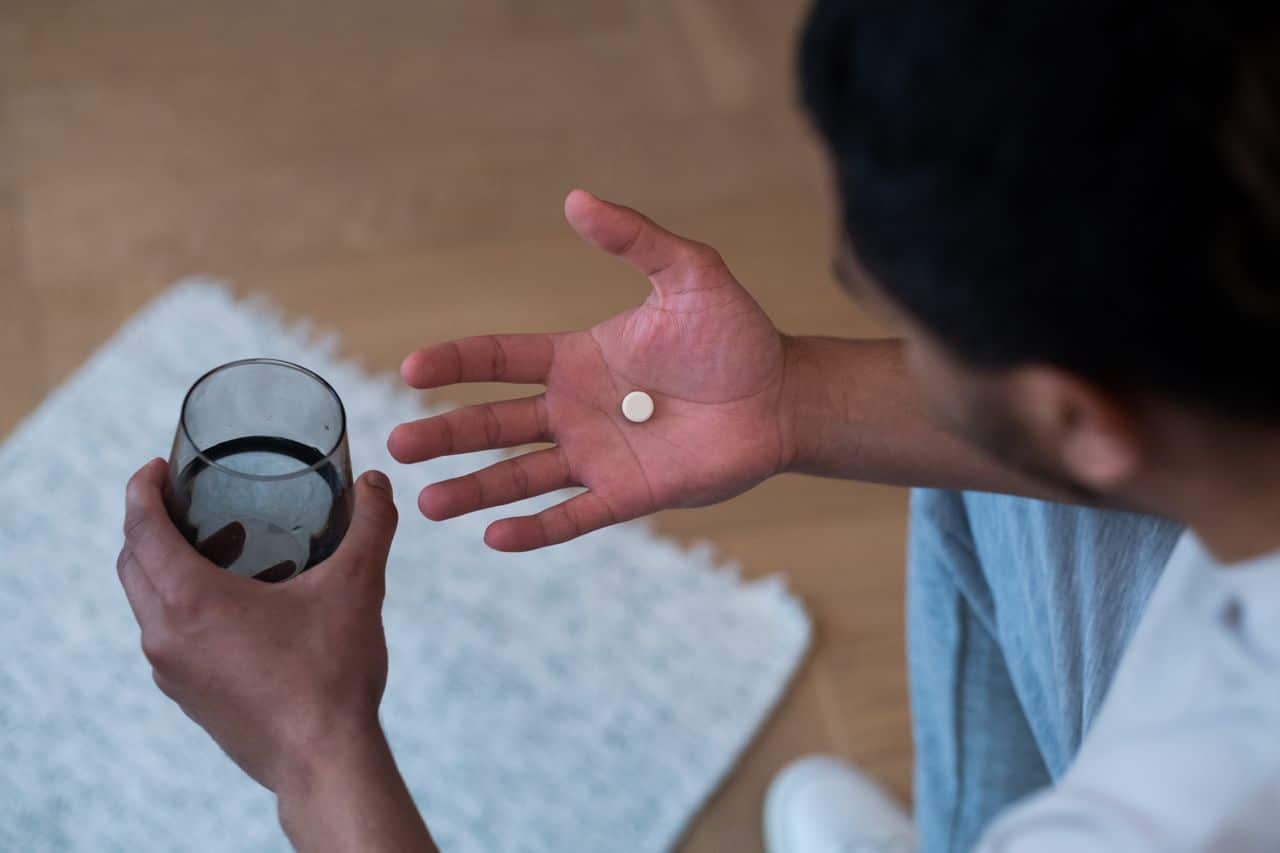
Does Finasteride Work? Evidence & Timeline
Finasteride is one of only two medications approved for male pattern hair loss, and the…
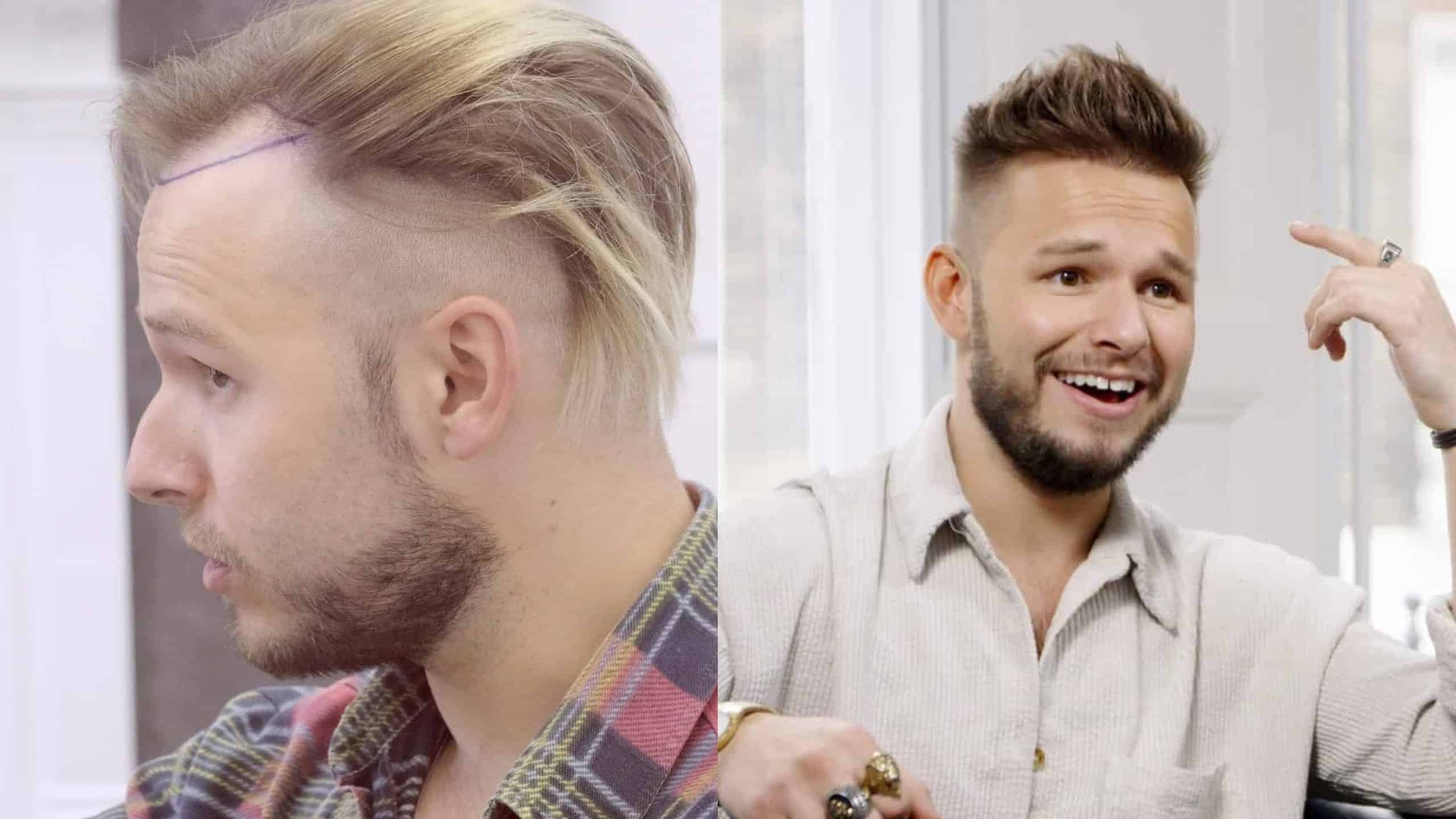
Hair Transplant Recovery: Full Timeline Day by Day
The surgery is the part everyone focuses on, but the result is made in the…