
Two weeks is the point where a hair transplant stops feeling like something you are recovering from and starts feeling like something you are living with normally again. The grafts that were so fragile in the first days are now anchored. The scabs have mostly gone, the redness is fading, and for the first time since surgery the mirror shows something close to a normal scalp. It is a genuine turning point, and it also brings a new phase that catches many people off guard.
This guide covers where healing has reached by day 12, the shedding phase that often begins around now, and the practical question everyone has at this stage, what you can and cannot get back to doing.
Where Healing Has Reached By Day 12
The single most reassuring change at two weeks is that your grafts are secure. Through the first week they were held in place only loosely and a careless touch could dislodge one. By day 12 they have anchored into the scalp, and while care still matters, the constant worry of the early days can ease. This is the milestone the whole first fortnight was working toward.
The visible signs of surgery have largely settled too. The small scabs around each graft have generally fallen away on their own by day 10 to 14, helped along by your gentle washing. The redness in the recipient area has faded noticeably, though some pinkness can linger, particularly on fair or sensitive skin, and that continues to settle over the following weeks. The donor area at the back or sides is usually close to its normal appearance, with the tiny extraction points fading to barely visible dots as short stubble grows back over them.
One thing to expect is that the scalp can look a little uneven at this stage. Some areas may appear pinker than others, and the transplanted hairs themselves can look short, fine, or wispy. This patchy appearance is completely normal, and it is about to change in a way that surprises people, which brings us to the next phase.
Shedding And Shock Hair Loss
Around the two-week mark, often anywhere from week two to week six, many patients notice the transplanted hairs beginning to fall out. After everything you have been through to protect them, watching them shed can be truly distressing. We want to be completely clear about this, because it is the most misunderstood part of the whole recovery. This shedding is normal, it is expected, and it is not a sign that anything has gone wrong.
The phenomenon is called shock loss, known medically as telogen effluvium. What happens is that the stress of the transplant pushes the newly moved follicles into a temporary resting phase. The visible hair shaft is shed, but the follicle itself stays alive and healthy beneath the skin. It is only the hair that falls, never the graft. Those same follicles then move back into their growth cycle and begin producing new, permanent hair in the months that follow, typically from around month three to four.
A few things worth knowing about this phase:
- It is extremely common. The large majority of patients experience some degree of shock loss, so it is the rule rather than the exception.
- It can affect surrounding native hair too, not only the transplanted hairs. This also recovers.
- Not everyone sheds on the same schedule, and a few barely shed at all. Its absence is not a bad sign, and its presence is not a predictor of how good your result will be.
- The scalp can look thinner than before surgery for a while as a result. This is the low point, and it is temporary.
This shedding phase is really the beginning of the transition we introduced in our guide on what to expect in the first 7 days after a hair transplant. The first week was about protecting the grafts. This phase is about trusting the biology while it does something that looks alarming and is in fact a sign of progress.
What You Can And Cannot Do After 2 Weeks
You get some of your normal life back now, but not all of it. Because the grafts are anchored, the restrictions loosen, but the scalp is still healing and several things need to wait longer. Here is a clear breakdown.
| Activity | At 2 weeks |
| Work and social life | Fine for most people. You will likely feel presentable enough to be out and about |
| Gentle washing | Continue as normal, and you can usually return to a more regular washing routine |
| Light exercise | Generally fine to reintroduce, such as walking or gentle gym work, avoiding heavy sweating |
| Sleeping flat | Comfortable again. No more need to keep the head elevated |
| Loose hats | Often allowed now if approved by your surgeon, as long as they do not press on the grafts |
| Intense exercise and heavy lifting | Not yet. Wait until around week four, or when your surgeon clears it |
| Swimming and contact sports | Not yet. Pools carry infection risk and impact risks the grafts. Wait at least four weeks |
| Saunas, steam rooms, hot baths | Avoid for the first month, since heat and sweat can irritate the healing scalp |
| Direct sun on the scalp | Still to be avoided. The skin remains sensitive, so cover up or stay out of strong sun |
| Styling products, sprays, dyes | Hold off. Your surgeon will confirm when these are safe, usually several weeks out |
The theme across all of this is simple. Anything that brings heavy sweat, pressure, friction, submersion, or strong sun to the scalp still needs to wait, because the surface has healed but the deeper recovery is ongoing.
When in doubt, the safe answer is to ask before you do it. You will find our most common post-procedure questions on our after-procedure FAQ, and if your answer is not there you can book an online consultation or request a call back.
What Is Normal At Two Weeks, And What Is Not
Most of what you see and feel at two weeks is expected, but it helps to know the difference between routine healing and the rare signs that warrant a call.
Normal at this stage:
- Scabs gone or nearly gone, with the scalp looking cleaner.
- Fading redness or lingering pinkness, especially on fair skin.
- Mild itching as the skin finishes healing.
- Some tightness or reduced sensation in the donor area.
- Shedding of the transplanted hairs, as described above.
Worth contacting your clinic about:
- Redness that is spreading or intensifying rather than fading, or a scalp that feels hot.
- Pus, discharge, or a foul smell from the recipient or donor area.
- Increasing rather than easing pain, or any fever.
- Scabs that remain thick and firmly stuck well beyond two weeks, particularly if inflamed.
As a rule, healing moves in one direction: things settle and improve week on week. Anything that is actively worsening is the exception worth checking, since infection, though uncommon, is best caught early.
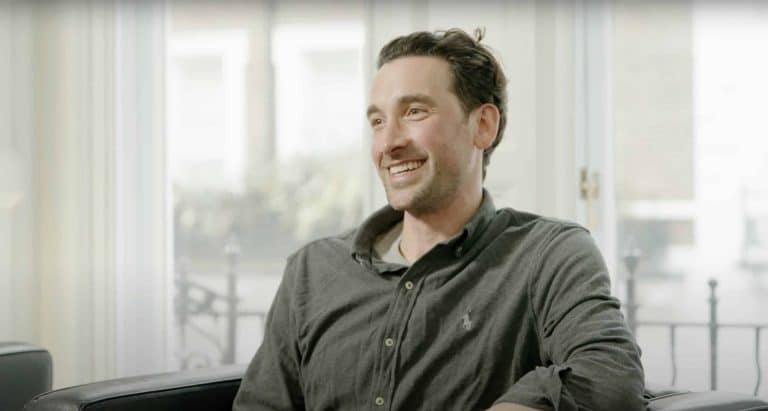
A Patient’s Experience
Two Weeks Down, The Result Ahead
Reaching two weeks is a real achievement, and it is worth recognising how far you have come. The hardest, most anxious part is behind you, the grafts are safe, and the scalp is well on its way to looking normal. The shedding that may be starting now is not a setback but the quiet beginning of the real growth, which will start to show from around three to four months and build steadily toward your full result at about twelve months.
The care does not stop here, though. The grafts are anchored, not finished, and the months ahead still ask for patience, sun protection, and following your clinic’s guidance. To see how the rest of the journey unfolds from here, our full hair transplant recovery timeline walks through every stage from surgery to final result.
If this has helped you understand the process and you are considering your own procedure, our team is here to answer your questions. You can get in touch with us whenever you are ready.
Frequently Asked Questions
What should a hair transplant look like after 2 weeks?
The scabs should be gone or nearly gone, the redness noticeably faded, and the grafts secure. The scalp may look slightly uneven or pink, and the transplanted hairs may appear short or begin to shed, all of which is normal.
Is it normal to lose hair 2 weeks after a hair transplant?
Yes. This is shock loss, a normal shedding phase where the hair shaft falls out while the follicle stays alive beneath the skin. It usually happens between weeks two and six, and new growth begins around months three to four.
Are the grafts safe after 2 weeks?
Largely, yes. By two weeks the grafts have anchored into the scalp and are far more secure than in the first week, so the risk of dislodging them with a light touch has passed. Care is still needed, but the most fragile phase is over.
Can I exercise 2 weeks after a hair transplant?
Light exercise such as walking or gentle gym work is usually fine to reintroduce, avoiding heavy sweating. Intense exercise, heavy lifting, swimming, and contact sports should wait until around week four, following your surgeon’s advice.
Can I go in the sun after 2 weeks?
Not directly. The scalp is still sensitive, so avoid strong sun on the recipient area, and cover up with a loose hat if you are outdoors. Sun protection remains important for the first few months.
When can I swim after a hair transplant?
Generally not until at least four weeks, as pools carry an infection risk and the grafts are still settling. Your clinic will confirm when it is safe for you.
Do the scabs need to be gone by 2 weeks?
Most scabs fall away naturally between days 10 and 14 with gentle washing. If thick scabs remain stuck beyond this, do not pick them, contact your clinic for advice on removing them safely.
Does shedding at 2 weeks mean the transplant failed?
No. Shedding is expected and the follicles remain intact beneath the skin. The absence of shedding is not a concern either, as shock loss is not a predictor of how successful the result will be.
Related Posts
Hair Transplant After 7 Days: Normal vs Warning Signs
There is no week in the whole recovery that weighs on patients like the first…
Does Finasteride Work? Evidence & Timeline
Finasteride is one of only two medications approved for male pattern hair loss, and the…